
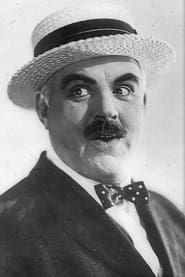
A Gasoline Wedding
"Her father will marry her off, willing or not."
Keys: Space play/pause · ←/→ 10s · F fullscreen · M mute · </> speed
About this film
A rich man's daughter has more suitors than she's interested in, and he's going to marry her off -- even if she doesn't know about it.
Cast & crew
More films like this
More Comedy films
View all →







More from Alfred J. Goulding
View all →
More about this film
About the production
Release dateJune 16, 1918
ProductionHal Roach Studios
Filmed inLos Angeles, California
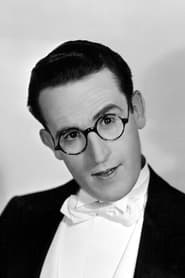
This was one of Harold Lloyd's early shorts during his period with Hal Roach Studios before he developed his famous 'Glasses Character' persona. The film was typical of the rapid-fire production schedule of the era, with Lloyd and his team often completing multiple shorts in a single month. Automobiles were still relatively novel in 1918, making them an excellent source of comedy and spectacle for audiences of the time.
Themes
Courtship and marriageParental authority vs. individual choiceModern technology and social changeClass differences and social mobilityComedy of errors and misunderstandings
Themes & topics
automobilesarranged marriagesuitorschase sequencecomedy of errorswealthy familysilent comedyphysical comedy
Historical background
A Gasoline Wedding (1918) survives in catalogs and archives as a record of the silent era.
Why this film matters
Scholars and collectors reference A Gasoline Wedding when discussing how the silent era filmmakers addressed popular themes.
Making of
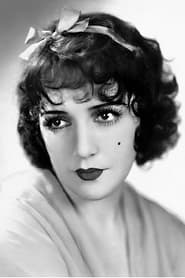
The production of 'A Gasoline Wedding' followed the typical Hal Roach Studios model of rapid, efficient filmmaking. Harold Lloyd was already developing his reputation as a meticulous planner of physical comedy sequences, often spending considerable time choreographing stunts and gags. The film was shot on location in Los Angeles, taking advantage of the area's growing infrastructure and relatively new paved roads, which were essential for the automobile sequences. Bebe Daniels, though only 19 at the time, was already a veteran performer with dozens of films to her credit. The collaboration between Lloyd and Daniels was particularly fruitful, with their on-screen chemistry contributing significantly to the success of their joint productions during this period.
What critics said
Trade coverage around 1918 discussed A Gasoline Wedding in terms of craft and audience appeal rather than blockbuster scale.
Did you know?
- This film was released during the height of the Spanish flu pandemic, which caused many theaters to close temporarily.
- Harold Lloyd and Bebe Daniels were a popular comedy duo during this period, making numerous films together before Daniels left for more dramatic roles.
- The automobile featured in the film would have been considered cutting-edge technology in 1918, as cars were still not common household items.
- Director Alfred J. Goulding was an Australian who became one of Harold Lloyd's regular directors during his Hal Roach period.
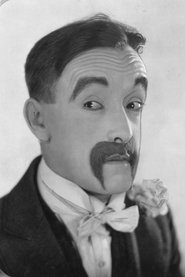
- Harry 'Snub' Pollard, who appears in the film, was a veteran comedian who had been in films since the early 1910s.
- This was one of over 200 short films Harold Lloyd would make before transitioning to feature-length productions.
- The film's title plays on the novelty of automobiles, which were still associated with luxury and modernity in 1918.
- Silent films of this era were typically accompanied by live musical scores, with theaters providing their own orchestras or organists.
Visual style
The cinematography in 'A Gasoline Wedding' was typical of Hal Roach Studios productions of the period, utilizing the relatively static camera techniques common in 1918. However, the film includes some dynamic shots during the automobile sequences, which required careful planning and coordination to capture the moving vehicles effectively. The cinematographer employed wider shots for the chase scenes to ensure the action was clearly visible to audiences. The film was shot in black and white on 35mm film, with the standard aspect ratio of the era (1.33:1). Lighting techniques were basic by modern standards but effective for the outdoor sequences that dominated the film.
Innovations
While 'A Gasoline Wedding' was not a groundbreaking technical achievement, it demonstrated the growing sophistication of chase sequences in comedy films. The coordination of multiple automobiles in motion required careful planning and execution, representing the increasing complexity of stunt work in silent comedies. The film also showcases the early use of location shooting for automobile sequences, taking advantage of Los Angeles' developing road infrastructure. The editing techniques, while simple by modern standards, effectively maintained the pace of the comedy and ensured clear storytelling through visual means alone.
Music
As a silent film, 'A Gasoline Wedding' had no recorded soundtrack. The musical accompaniment would have been provided live in theaters, typically by a pianist or organist for smaller venues or a full orchestra in larger movie palaces. The score would have been compiled from existing classical pieces and popular songs of the era, with specific musical cues matched to the on-screen action. Comedic moments would have been accompanied by lively, upbeat music, while romantic scenes featured more tender melodies. The speed and tempo of the music would have been adjusted to match the pacing of the film, particularly during the chase sequences.
Famous quotes
(As a silent film, dialogue was conveyed through intertitles and visual performance rather than spoken dialogue)
Memorable scenes
- The climactic automobile chase sequence, which serves as the film's centerpiece and provides the justification for its title, featuring multiple vehicles in a frantic pursuit through the streets of Los Angeles.
What audiences thought
Audiences in 1918 responded positively to 'A Gasoline Wedding,' finding humor in the familiar situation of arranged marriages combined with the novelty of automobile-based comedy. The film's fast pace and physical gags appealed to wartime audiences seeking entertainment and distraction from the grim realities of the ongoing world conflict and pandemic. Harold Lloyd's growing popularity ensured good attendance for his releases, and the pairing with Bebe Daniels was a proven box-office combination. The film's relatively short length (11 minutes) made it ideal for the varied programming formats of the era, where it might be shown as part of a mixed bill with newsreels, other shorts, and occasionally a feature presentation.
Film connections
Influenced by
- Mack Sennett comedies
- Charlie Chaplin's early shorts
- Buster Keaton's early work
This film influenced
- Harold Lloyd's later automobile-themed comedies
- Other Hal Roach Studios productions of the late 1910s
Film restoration
The film survives and is preserved in various film archives, including the Library of Congress and the UCLA Film & Television Archive. It has been included in several Harold Lloyd compilation releases and is available through various classic film distributors.
Where to watch
- Available on DVD in Harold Lloyd collections
- Streaming on some classic film platforms
- Occasionally shown at silent film festivals and special screenings
- Available through film archive collections for research purposes