Films
3 films
About Jane Blyler
American actress who worked briefly during the silent film era in 1918. Her career appears to have been extremely short, with documented appearances in only two comedy shorts from that year. She was part of the vast ensemble of supporting players who populated the burgeoning film industry during its transitional period from short films to feature-length productions. Like many actors of her era, she worked primarily in the comedy genre, which was immensely popular with audiences of the time. Her filmography suggests she was likely a contract player or day player for a studio, possibly appearing in uncredited or minor roles. The brevity of her career was typical for many actors of the period who either left the industry or failed to secure more substantial roles as the film business became more competitive. Her legacy survives only through these two surviving film credits from the final year of World War I.
The Craft
Milestones
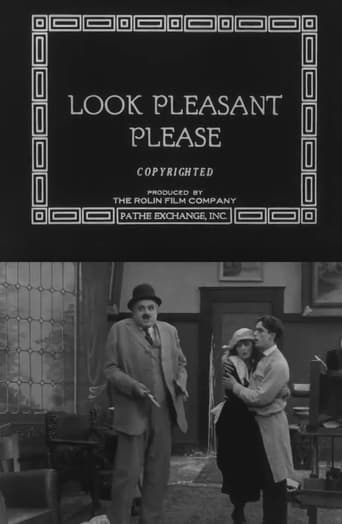
- Appeared in 'Look Pleasant, Please' (1918)
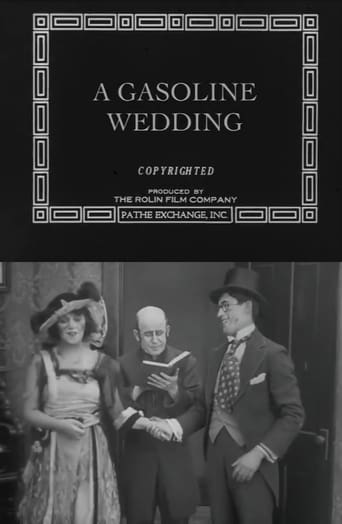
- Appeared in 'A Gasoline Wedding' (1918)
Best Known For
Must-See Films
Why They Matter
Impact on Culture
Jane Blyler's cultural impact was minimal due to her extremely brief career in the film industry. As a minor actress who appeared in only two films during the silent era, she represents the thousands of anonymous performers who contributed to early cinema without achieving lasting recognition. Her work, however, is part of the historical record of American film during a pivotal period when the industry was establishing itself as a major cultural force. The films she appeared in, particularly the Harold Lloyd short 'Look Pleasant, Please,' are significant artifacts of silent comedy, and her participation, however minor, connects her to this important genre.
Lasting Legacy
Jane Blyler's legacy is primarily that of a representative figure from the vast pool of anonymous actors who populated early Hollywood. Her brief film career serves as a reminder of the transient nature of fame in the early film industry and the thousands of performers whose contributions have been largely forgotten by time. While she did not achieve lasting stardom, her appearances in surviving silent shorts ensure that she remains part of the historical record of American cinema. Her story illustrates the challenging reality for most actors during the silent era, where careers could be as brief as a single year.
Who They Inspired
Given her limited filmography and minor status in the industry, Jane Blyler does not appear to have had a significant influence on other actors or directors. Her career was too brief to establish any notable artistic impact or mentorship relationships. However, like all actors who worked during the formative years of cinema, she contributed to the development of film acting techniques and the establishment of the movie industry as we know it today.
Off Screen
Very little is documented about Jane Blyler's personal life, which was typical for minor actors of the silent era who did not achieve star status.
Did You Know?
- Appeared in films during the final year of World War I
- Her entire known filmography consists of only two films from 1918
- One of her films, 'Look Pleasant, Please,' featured Harold Lloyd, a major silent comedy star
- Both of her known films were comedy shorts, a popular format of the era
- Her active years covered only one year, making her one of the shortest-lived film careers on record
- Like many silent era actors, her personal details remain largely undocumented
- Her films were produced during the transitional period when American cinema was establishing its dominance
- She represents the thousands of anonymous performers who contributed to early Hollywood
Frequently Asked Questions
Who was Jane Blyler?
American actress who worked briefly during the silent film era, appearing in only two known films in 1918 before disappearing from the historical record.
What films is Jane Blyler best known for?
Titles linked here include Look Pleasant, Please (1918), A Gasoline Wedding (1918).
When was Jane Blyler born and when did she die?
Unfortunately, Jane Blyler's birth and death dates are not documented in historical records, which was common for minor actors of the silent era.
What awards did Jane Blyler win?
Jane Blyler did not receive any documented awards or nominations during her brief film career in 1918.
What was Jane Blyler's acting style?
Due to the limited documentation of her work and the fact that she appeared only in minor roles, Jane Blyler's specific acting style is not well-documented in film history.