Look Pleasant, Please
"Caught between operator and interested"
Keys: Space play/pause · ←/→ 10s · F fullscreen · M mute · </> speed
About this film
A photo studio operator seems only interested in flirting with women. Hilarity ensues.
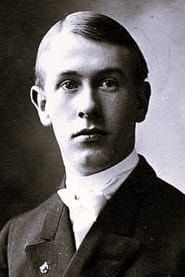
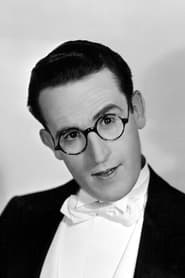
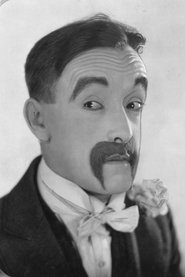
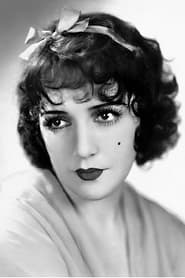
Cast & crew
More films like this
More Comedy films
View all →







More from Alfred J. Goulding
View all →
More about this film
About the production
Release dateApril 28, 1918
ProductionRoland Film Company, Pathé Exchange
Filmed inLos Angeles, California
This film was produced during Harold Lloyd's transitional period before he fully developed his famous 'Glasses Character' persona. The short was typical of the one-reel comedies being churned out by Hollywood studios during the silent era, often filmed in just a few days. The photo studio setting allowed for numerous visual gags involving early 20th-century photographic equipment, including large box cameras, flash powder, and darkroom materials. The film showcases Lloyd's early comedic style which was still evolving toward the more sophisticated character-driven comedy he would later become famous for.
Themes
Romantic pursuitWorkplace comedyDistraction from dutyMale-female relationshipsSmall business operations
Themes & topics
photographyphoto studioflirtingcomedy of errorsslapsticksilent comedyshort filmworkplace romancemistaken identitychaosphotographercustomer service
Historical background
Contemporary records classify Look Pleasant, Please (1918) as 1918 film, placing it within the silent era before feature-length dominance.
Why this film matters
Look Pleasant, Please (1918) helps trace genre evolution, performer careers, and the material conditions of silent exhibition.
Making of
The production of 'Look Pleasant, Please' was typical of the fast-paced short comedy factory system in Hollywood during the late 1910s. Harold Lloyd was working at an incredible pace, often completing multiple short films in a single month. Director Alfred J. Goulding, an Australian native, had developed a strong working relationship with Lloyd and understood his comedic timing. The photo studio set was likely a simple, reusable set that could be quickly dressed for different scenarios. The chemistry between Lloyd and frequent co-star Bebe Daniels was already well-established, as they had appeared in numerous films together. Harry 'Snub' Pollard's role as the straight man/comedic foil was crucial to the film's rhythm, a dynamic he and Lloyd had perfected through dozens of previous collaborations. The film's gags were probably developed through improvisation during rehearsal, a common practice in silent comedy production where visual humor could be tested and refined on the spot.
What critics said
Modern write-ups on Look Pleasant, Please (1918) tend to focus on preservation status, stylistic choices, and placement within director or studio filmographies.
Did you know?
- This was one of over 200 short comedies Harold Lloyd made before transitioning to feature-length films in the 1920s
- The film was released during World War I, a time when comedy films were particularly important for boosting public morale
- Harry 'Snub' Pollard was a frequent collaborator with Lloyd, appearing in dozens of his early shorts
- Bebe Daniels would later become a major star in both silent and sound films, eventually transitioning to a successful career in Britain
- Director Alfred J. Goulding was an Australian filmmaker who directed many of Lloyd's early comedies
- The photo studio setting was a popular backdrop for silent comedies due to the visual potential of photographic equipment for gags
- This film survives today and is available through various archives and classic film collections
- The title 'Look Pleasant, Please' was a common phrase used by photographers of the era, making it immediately relatable to contemporary audiences
- This short was distributed by Pathé Exchange, one of the major film distributors of the silent era
- The film was part of Lloyd's 'Lonesome Luke' character series, though he was transitioning toward his more famous 'Glasses Character'
Visual style
The cinematography in 'Look Pleasant, Please' reflects the standard practices of silent comedy production in 1918. The camera work was functional rather than artistic, focusing on clearly capturing the physical comedy and allowing the gags to be visible to the audience. The photo studio setting provided opportunities for interesting compositions with the large photographic equipment and various props. Lighting would have been primarily natural or basic studio lighting, as sophisticated lighting techniques were still developing. The cinematographer would have needed to carefully frame the action to ensure that the slapstick elements and facial expressions were clearly visible, crucial for silent comedy where visual storytelling was paramount. The film likely used static camera positions typical of the era, with movement limited to following the action rather than elaborate camera work.
Innovations
While 'Look Pleasant, Please' was not a groundbreaking film in terms of technical innovation, it demonstrates the solid craftsmanship of Hollywood short comedy production in 1918. The film effectively utilizes the technical limitations of the era to create comedy, particularly in its use of photographic equipment for visual gags. The editing would have been straightforward but precise, crucial for timing the comedic moments effectively. The film showcases the emerging language of visual comedy that was being developed during this period, including the use of props, setting, and physical action to create humor without dialogue. The preservation of the film itself represents a technical achievement, as many shorts from this period have been lost due to the unstable nature of early film stock and the perceived disposability of short comedies after their theatrical run.
Music
As a silent film, 'Look Pleasant, Please' would have been accompanied by live musical performance during its original theatrical run. The typical accompaniment would have been a piano player in smaller theaters or a small orchestra in larger venues. The music would have been compiled from various sources, including classical pieces, popular songs of the era, and specialized photoplay music published specifically for silent film accompaniment. The score would have been designed to enhance the comedic timing, with lively music for the gags and romantic themes for the scenes involving Bebe Daniels' character. No original score survives, as silent film music was typically improvised or compiled rather than specifically composed. Modern presentations of the film often use newly composed scores or carefully selected period-appropriate music to recreate the authentic silent film experience.
Famous quotes
(Silent film - no dialogue quotes available)
Memorable scenes
- The opening sequence where Harold Lloyd's character attempts to take a serious photograph while being distracted by attractive women, setting up the film's central conflict between professionalism and romantic interest.
What audiences thought
Audiences in 1918 generally received 'Look Pleasant, Please' positively as part of the typical theater program that included newsreels, a feature film, and several comedy shorts. Harold Lloyd was building his reputation as a reliable comedy star, and his films were becoming increasingly popular with moviegoers seeking light entertainment during the difficult war years. The relatable situation of a photo studio and the universal theme of romantic distraction would have resonated with contemporary audiences. While specific box office figures for individual shorts are not available, the consistent production of Lloyd comedies during this period suggests strong audience demand. Modern audiences viewing the film through archives or classic film presentations often appreciate it as a time capsule of early 20th-century comedy and a glimpse into the early work of a future comedy legend.
Film connections
Influenced by
- Charlie Chaplin's early shorts
- Mack Sennett comedy style
- Keystone Cops visual comedy
- Max Sennett's production methods
This film influenced
- Later Harold Lloyd comedy shorts
- Other photo studio comedies of the silent era
- Workplace comedy shorts of the 1920s
Film restoration
The film survives and is preserved in various film archives, including the Library of Congress and other major film preservation institutions. It has been made available through various classic film distribution channels and is part of Harold Lloyd's surviving early work collection.
Where to watch
- Available on DVD collections of Harold Lloyd's early shorts
- Streaming services specializing in classic cinema
- Film archive screenings
- Public domain collections
- Classic film specialty websites