
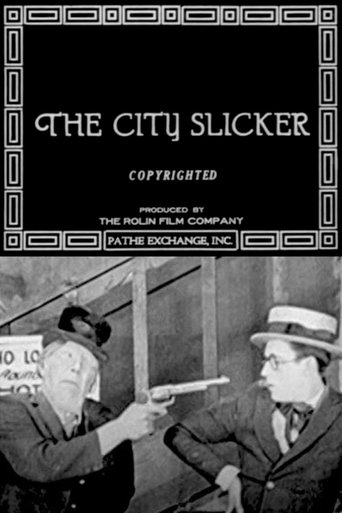
The Non-Stop Kid
"Harold swaps places with the professor"
Keys: Space play/pause · ←/→ 10s · F fullscreen · M mute · </> speed
About this film
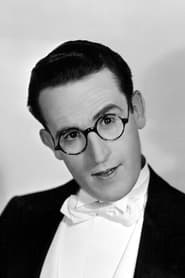
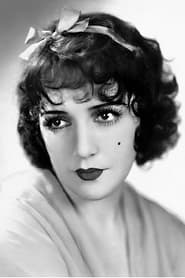
Bebe Daniels is besieged by suitors while father insists she marry Professor Noodle; Harold Lloyd impersonates the academic to win her. Lloyd's campus-age farce piles mistaken identity gags.
Cast & crew
More films like this
More Comedy films
View all →







More from Gilbert Pratt
View all →
More about this film
About the production
Release dateJune 1918
ProductionRolin Films, Pathe Exchange
Filmed inLos Angeles, California
This was one of Harold Lloyd's early short comedies produced during his transition from one-reel to two-reel films. The film was shot quickly, as was typical for the prolific production schedule of the era, with Lloyd and his team often completing multiple shorts per month. The collaboration between Lloyd and director Gilbert Pratt represented an important period in Lloyd's development of his 'Glasses Character' persona.
Themes
Impersonation and deceptionSocial ambitionRomantic pursuitClass differencesYouthful determination
Themes & topics
Historical background
The Non-Stop Kid (1918) belongs to Lloyd's rise from Chaplin-shadowed shorts to glasses-character star.
Why this film matters
Lloyd's 'glasses' persona and clock-ticking gags influenced later romantic farce heroes.
Making of
The production of 'The Non-Stop Kid' took place during a remarkably prolific period in Harold Lloyd's career, when he was churning out multiple short films each month. Lloyd's approach to comedy was highly methodical - he would develop gags and scenarios through careful planning and rehearsal. The film featured Lloyd's regular troupe of supporting actors, including Harry 'Snub' Pollard, who had been working with Lloyd since their days together at Hal Roach Studios. The impersonation premise allowed Lloyd to showcase his growing skills at physical comedy and character transformation. Bebe Daniels, who was becoming a major star in her own right, brought a natural charm to her role that complemented Lloyd's manic energy. The film was shot on location in and around Los Angeles, utilizing the growing infrastructure of the early Hollywood studio system.
What critics said
Exhibitors banked on Lloyd's name; critics noted escalating chase energy.
Did you know?
- the production was released during the height of World War I and the Spanish Flu pandemic, making cinema one of the few entertainment outlets still available to the public.
- Harold Lloyd's 'Glasses Character' was still evolving during this period, with the production helping establish the persona that would make him one of the biggest stars of the 1920s.
- Bebe Daniels and Harold Lloyd had great on-screen chemistry and would appear together in numerous films before Daniels moved on to dramatic roles.
- The film's title 'The Non-Stop Kid' refers to Harold's character's relentless energy and determination, characteristics that would define Lloyd's comedic style.
- Director Gilbert Pratt was a frequent collaborator with Harold Lloyd during this early period, directing many of his popular shorts.
- Harry 'Snub' Pollard, who appears in the film, was a regular member of Lloyd's stock company of supporting actors.
- This was produced during Lloyd's contract with Pathe Exchange, before he formed his own production company.
- The film's premise of impersonation was a common comedic device in silent films, allowing for visual gags and physical comedy without dialogue.
- Only about 70% of Harold Lloyd's early films survive today, making preserved shorts like this particularly valuable to film historians.
- The runtime of 11 minutes was typical for comedy shorts of this era, which were often shown as part of larger theater programs.
Visual style
The cinematography in The Non-Stop Kid reflects the standard practices of 1918 comedy production, with clear, well-lit compositions designed to maximize the visibility of physical gags. The camera work is functional rather than artistic, prioritizing the clear presentation of action and expression over visual experimentation. Typical of the period, the film uses static camera positions for most scenes, with occasional tracking shots during chase sequences. The lighting is bright and even, characteristic of the sunny California locations where the film was shot. The cinematographer employed medium shots and close-ups effectively to capture the facial expressions crucial to silent comedy performance. While not technically innovative by modern standards, the photography serves the comedy well and demonstrates the professional polish of Lloyd's productions.
Innovations
While The Non-Stop Kid was not groundbreaking in terms of technical innovation, it represents the refinement of comedy filmmaking techniques that had been developing throughout the 1910s. The film demonstrates effective use of continuity editing to maintain comic timing and narrative clarity. The stunt work, while not as elaborate as in Lloyd's later films, shows careful planning and execution to ensure both safety and comedic effect. The film's pacing, achieved through strategic editing, maintains audience engagement throughout its brief runtime. The production values, including set design and costumes, reflect the increasing professionalism of the Hollywood studio system. The film also features the effective use of intertitles to provide exposition and enhance jokes, a technique that had become sophisticated by this period.
Music
As a silent film, The Non-Stop Kid would have been accompanied by live musical performance during its original theatrical run. The typical accompaniment would have included a pianist or small theater orchestra playing popular songs of the era along with classical pieces adapted to fit the on-screen action. The music would have been synchronized to enhance the comedy, with frantic tunes during chase sequences and romantic melodies for the love scenes. Modern screenings often feature newly composed scores by silent film accompanists or compiled period-appropriate music. The absence of recorded dialogue meant that the visual comedy had to carry the entire narrative weight, making the musical accompaniment crucial for setting mood and pacing. The soundtrack choices for contemporary presentations typically aim to recreate the authentic experience of 1918 movie-going.
Famous quotes
(Intertitle) 'Professor M.T. Noodle at your service!'
(Intertitle) 'A man of learning and leisure!'
(Intertitle) 'The brainiest man in college!'
Memorable scenes
- The opening scene where Harold first learns about Professor Noodle and decides to impersonate him, showing his characteristic quick thinking and ambition. The climactic chase sequence where Harold must maintain his disguise while fleeing from various pursuers, combining physical comedy with the tension of nearly being exposed. The scene where Harold attempts to demonstrate his 'scholarly' knowledge to Bebe's father, resulting in increasingly absurd misunderstandings and physical gags.
What audiences thought
Audiences in 1918 responded enthusiastically to The Non-Stop Kid, as evidenced by its successful theatrical run and the continued popularity of Harold Lloyd's films throughout the year. The combination of romance, physical comedy, and Lloyd's charismatic performance appealed to the broad movie-going public of the era. The film's themes of social ambition and romantic pursuit resonated with wartime audiences seeking lighthearted entertainment. Modern audiences who discover the film through screenings at silent film festivals or home media releases often express appreciation for its historical value and surprisingly contemporary humor. The film works well as an accessible introduction to silent comedy for new viewers, with its clear visual storytelling and universal themes.
Film connections
Influenced by
- Earlier comedy shorts by Charlie Chaplin
- Mack Sennett's Keystone comedies
- Stage farce traditions
- Vaudeville comedy routines
This film influenced
- Later Harold Lloyd shorts
- Romantic comedies of the 1920s
- Impersonation comedies
- Screwball comedies of the 1930s
Film restoration
The Non-Stop Kid is preserved and available for viewing, making it part of the relatively small percentage of Harold Lloyd's early films that survive today. The film has been restored by film preservationists and is maintained in archives dedicated to silent cinema. The survival of this short is particularly valuable as it represents an important period in Lloyd's artistic development. The preservation quality allows modern audiences to appreciate the film's visual comedy and historical significance. The film exists in 16mm and digital formats, ensuring its continued accessibility for study and entertainment.
Where to watch
- The Harold Lloyd Trust official website
- Silent film streaming services
- DVD collections of Harold Lloyd shorts
- Archive.org
- Film preservation institute screenings
- Classic film festivals specializing in silent cinema
- Educational film archives
- Museum film programs