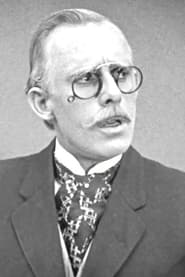
An Eastern Westerner
"Piute Pass punches back"
Keys: Space play/pause · ←/→ 10s · F fullscreen · M mute · </> speed
About this film
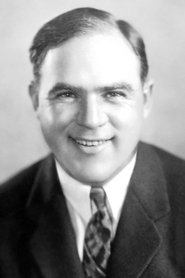
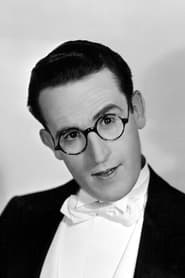
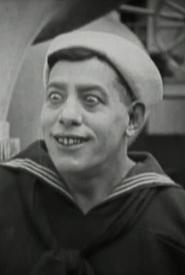
Hal Roach sends New York playboy Harold Hall to Piute Pass to face outlaw Tiger Lip Tompkins. A young man in New York has exasperated his father because of his constant carousing and irresponsibility, so his father sends him to his uncle's ranch in the west. The young man arrives in the town of Piute Pass, which is being terrorized by Tiger Lip Tompkins and his gang, the.
Cast & crew
More films like this

More Comedy films
View all →






More from Hal Roach
View all →

More about this film
About the production
Release dateOctober 10, 1920
Box officeBox office figures not recorded for this short film
ProductionHal Roach Studios
Filmed inHal Roach Studios, Culver City, California, Various California locations for Western scenes
This was one of Harold Lloyd's early two-reel comedies, produced during his transition from shorts to feature films. The film utilized both studio sets and location shooting to create the Western setting. The production team built elaborate Western town sets at the Roach studio lot, and the climactic action sequences required careful choreography of stunt work and comedy timing. The film was shot during the summer of 1920, taking advantage of California's favorable weather conditions for outdoor filming.
Themes
East vs. West cultural conflictComing of age and personal growthCourage vs. cowardiceUrban sophistication vs. rural simplicityFamily relationships and expectations
Themes & topics
Historical background
1920 placed An Eastern Westerner within United States cinema as Hal Roach Studios navigated wartime markets, immigration audiences, and the shift from intertitles to sound.
Why this film matters
Archivists revisit An Eastern Westerner (1920) for Hal Roach style, genre norms at Hal Roach Studios, and the exhibition context of 20 minutes (approximately) programming.
Making of
The production of 'An Eastern Westerner' took place during a pivotal period in Harold Lloyd's career, as he was developing the screen persona that would make him especially successful comedians of the 1920s. Director Hal Roach, who ran his own studio, gave Lloyd considerable creative freedom in developing his characters and gags. The film's Western setting allowed Lloyd to parody the popular genre while incorporating his signature physical comedy. The production team faced challenges in creating authentic-looking Western scenes on a limited budget, often using creative camera angles and selective set dressing to suggest expansive landscapes. The relationship between Lloyd and co-star Mildred Davis was developing both on and off screen during this period, adding natural chemistry to their scenes together. The film's action sequences required careful planning, as Lloyd insisted on performing many dangerous stunts himself, a practice that would later lead to a near-fatal accident on the set of another film.
What critics said
Retrospective writing on An Eastern Westerner stresses craft by Hal Roach, print survival, and repertory value rather than opening-week gross alone.
Did you know?
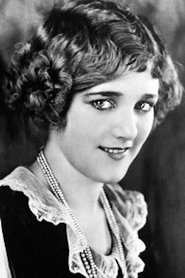
- This was one of the early collaborations between Harold Lloyd and Mildred Davis, who would later marry in real life in 1923
- The film features Noah Young, who became a regular Lloyd collaborator and appeared in over 30 of his films
- Tiger Lip Tompkins was played by Wallace Howe, a character actor who frequently appeared in Hal Roach productions
- The film was released during the height of the Western genre's popularity in American cinema
- Harold Lloyd performed many of his own stunts in this film, a practice that would become his trademark
- The Masked Angels gang was played by the Hal Roach Studios' regular stock company of actors
- This film was part of Lloyd's transition from his 'Lonesome Luke' character to his more famous 'Glasses Character'
- The film's title plays on the popular 'Eastern Western' genre of the time, which contrasted urban and rural American values
- The ranch scenes were filmed on location at actual California ranches to add authenticity
- The film was re-released in 1925 with added scenes to capitalize on Lloyd's growing fame
Visual style
The cinematography in 'An Eastern Westerner' was typical of high-quality Hal Roach productions of the era, featuring clear, well-composed shots that effectively served both the comedy and the narrative. The film employed a mix of studio and location photography, with the Western scenes shot on outdoor sets and actual California ranches to provide authentic backgrounds. The camera work emphasized Lloyd's physical comedy through careful framing that captured his full range of motion during gags and stunts. The film utilized the standard 1.33:1 aspect ratio of silent films, with the cinematographer using depth of field to create dynamic compositions in the Western town scenes. The lighting techniques of the period, primarily natural light for outdoor scenes and studio lighting for interiors, created the high-contrast look characteristic of 1920s cinema. The film's action sequences featured innovative camera movements for the time, including tracking shots that followed Lloyd's character through chase scenes.
Innovations
While 'An Eastern Westerner' was not groundbreaking in terms of technical innovation, it demonstrated the high production values typical of Hal Roach Studios. The film featured effective use of location shooting combined with studio work to create convincing Western settings. The action sequences required sophisticated stunt coordination and timing, particularly in scenes involving horseback riding and physical confrontations. The film's editing was notable for its rhythm and pacing, effectively building comedic tension and delivering punchlines with precision. The production utilized the latest film stock and processing techniques of 1920, resulting in clear, well-preserved images that have survived remarkably well. The film's special effects, while simple by modern standards, included clever use of camera tricks and props to enhance the comedy. The sound stage construction for the Western town sets demonstrated the growing sophistication of Hollywood set design during this period.
Music
As a silent film, 'An Eastern Westerner' would have been accompanied by live musical performance during its original theatrical run. The typical accompaniment would have included a pianist or small orchestra performing a compilation of popular songs and classical pieces selected to match the on-screen action. The music would have ranged from jaunty, upbeat tunes during comedy sequences to more dramatic, suspenseful pieces during the confrontations with Tiger Lip Tompkins. Western-themed compositions would have been used for the ranch and town scenes, while sophisticated urban music would have accompanied the New York sequences. The film's intertitles were presented with musical accompaniment that helped set the tone for each scene. Modern screenings of restored versions often feature newly composed scores that attempt to recreate the musical experience of the 1920s while incorporating contemporary musical sensibilities.
Famous quotes
Intertitle: 'Sent West to learn the value of a dollar - and the meaning of courage!'
Intertitle: 'Even an Easterner can learn to ride - if he doesn't mind the bumps!'
Intertitle: 'Sometimes the biggest heroes come from the smallest towns... or biggest cities!'
Intertitle: 'When love calls, even a coward can find his courage!'
Memorable scenes
- The opening sequence showing Harold's character's wild lifestyle in New York City, featuring elaborate party scenes and his father's exasperated reaction
- Harold's arrival in Piute Pass, where his Eastern attire and mannerisms immediately mark him as an outsider
- The comedic scene where Harold attempts to ride a horse for the first time, resulting in a series of physical gags and falls
- The confrontation with Tiger Lip Tompkins and the Masked Angels, where Harold must use his wits rather than brawn
- The climactic rescue sequence where Harold, despite his fear, manages to save the day through cleverness and unexpected courage
What audiences thought
The film was well-received by audiences in 1920, who were growing increasingly fond of Harold Lloyd's screen persona. Movie theaters reported strong attendance for the short, particularly in urban areas where audiences related to the Eastern protagonist's fish-out-of-water predicament. The film's blend of comedy and Western action appealed to a broad demographic, from working-class moviegoers to middle-class audiences. Contemporary audience letters and reviews in trade publications indicate that viewers particularly enjoyed the contrast between Lloyd's refined Eastern character and the rugged Western setting. The film's success helped establish Lloyd as a major box office draw, paving the way for his transition to feature-length films. Modern audiences who have seen the film through screenings at film festivals and archives continue to appreciate its timeless humor and Lloyd's remarkable physical comedy skills.
Film connections
Influenced by
- Charlie Chaplin's 'The Gold Rush' (1925) - later work with similar themes
- Buster Keaton's 'The General' (1926) - action comedy techniques
- Douglas Fairbanks' Western comedies
- Mack Sennett's Keystone comedies
- D.W. Griffith's Western shorts
This film influenced
- Harold Lloyd's later 'The Freshman' (1925) - similar fish-out-of-water theme
- City Slickers (1991) - urbanites in Western setting
- Blazing Saddles (1974) - Western comedy parody
- The Lone Ranger (2013) - Western action with comedic elements
- Rango (2011) - fish-out-of-water Western comedy
Film restoration
The film is preserved in the Harold Lloyd archive and has been restored by the Harold Lloyd Trust. A 35mm print exists in the Library of Congress collection, and the film has been made available through various home video releases and digital platforms. The restoration work has maintained the film's original visual quality and intertitles. The film is considered complete with no major lost scenes, making it one of the better-preserved examples of Lloyd's early short work.
Where to watch
- The Harold Lloyd Comedy Collection DVD set
- Streaming on The Criterion Channel
- Available on various classic film streaming platforms
- Occasionally screened at film festivals and classic cinema events
- Digital versions available through some public domain collections