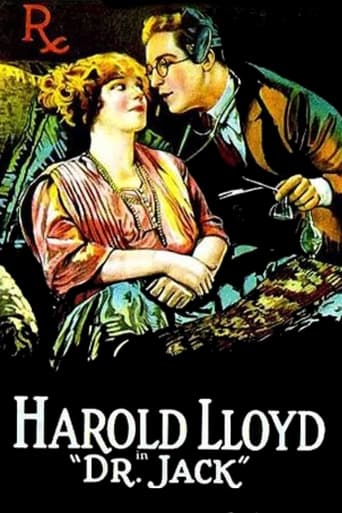
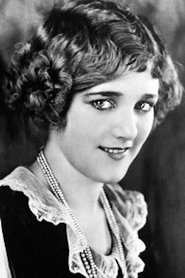
Mildred Davis
Actor
Born: February 22, 1901 in Philadelphia, Pennsylvania, USA Died: August 18, 1969 Active: 1916-1923
Films
16 films
Among Those Present
1921
Get Out and Get Under
1920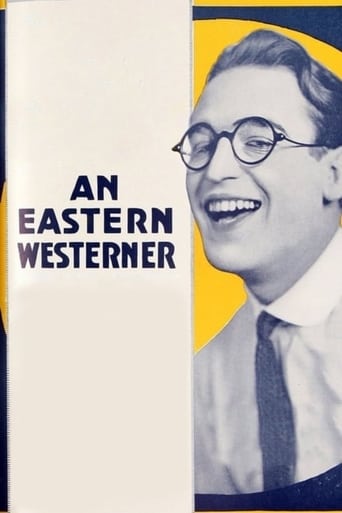
An Eastern Westerner
1920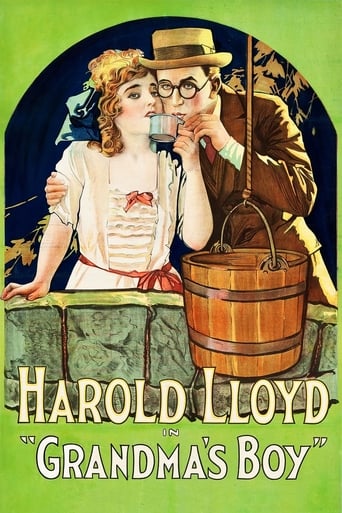
Grandma's Boy
1922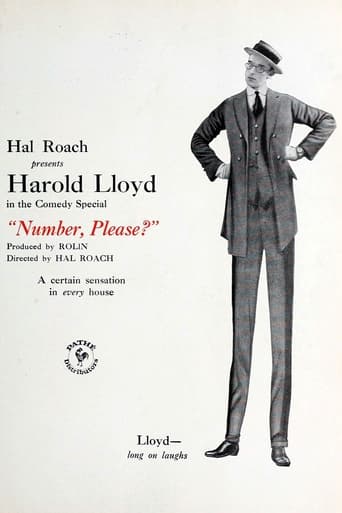
Number, Please?
1920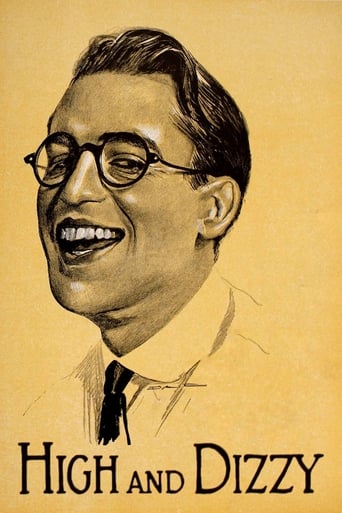
High and Dizzy
1920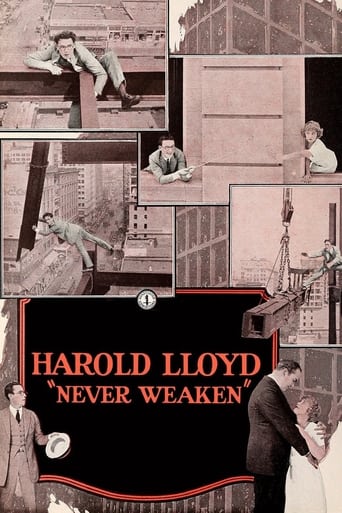
Never Weaken
1921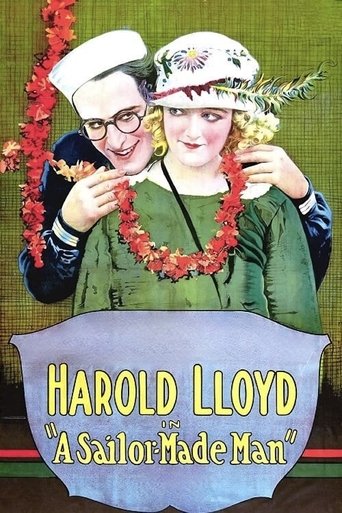
A Sailor-Made Man
1921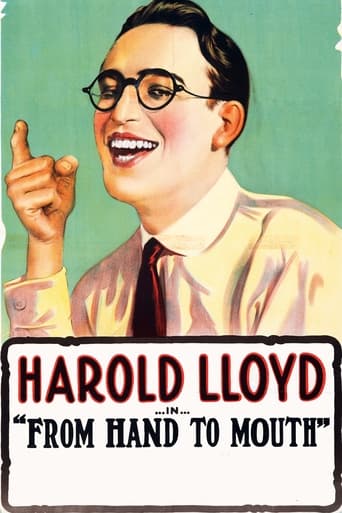
From Hand to Mouth
1919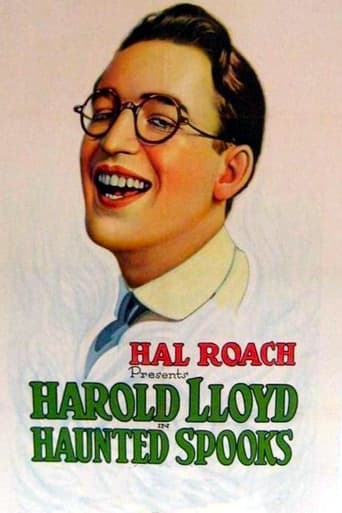
Haunted Spooks
1920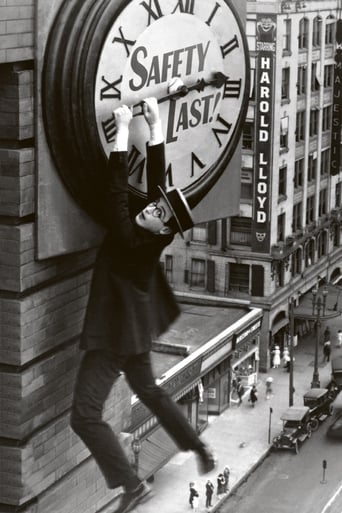
Safety Last!
1923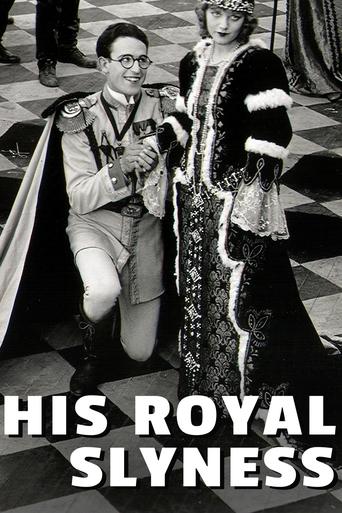
His Royal Slyness
1920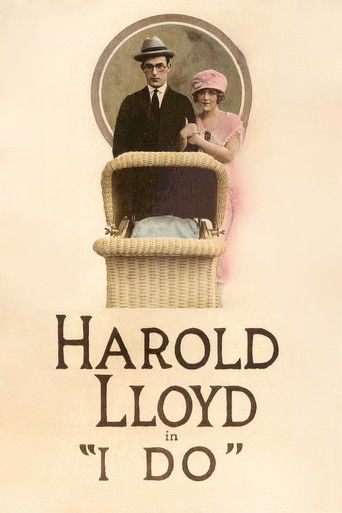
I Do
1921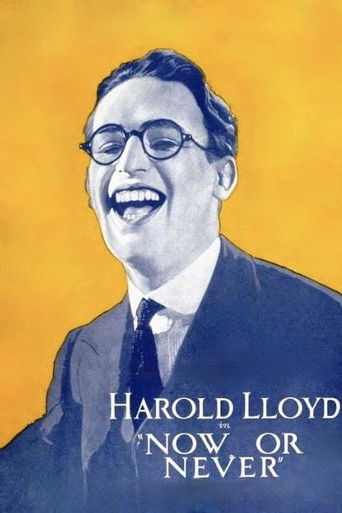
Now or Never
1921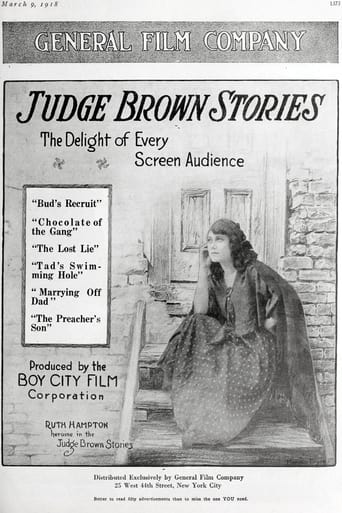
Bud's Recruit
1918About Mildred Davis
American actress who rose to fame during the silent film era as the leading lady of comedy legend Harold Lloyd. Born in Philadelphia in 1901, she began her film career with Hal Roach Studios in 1916, initially appearing in small roles before catching Lloyd's attention. Their on-screen chemistry was undeniable, and she became his regular leading lady in numerous comedy shorts and features from 1919 to 1923, establishing herself as recognizable female faces in silent comedy. Davis possessed a natural comedic timing and expressive face that perfectly complemented Lloyd's energetic style, helping to create some of the most memorable comedy sequences of the era. After marrying Harold Lloyd in 1923, she retired from acting to focus on family life, though she occasionally appeared in small roles in his later productions. Her career, though relatively brief, on silent comedy, and she in the history of early American cinema.
The Craft
On Screen
Mildred Davis was known for her natural, effervescent screen presence and expressive facial features that perfectly suited silent comedy. Unlike many actresses of her era who relied heavily on theatrical gestures, Davis brought a subtle, relatable quality to her performances. Her acting style was characterized by genuine warmth and authenticity, making her characters feel approachable and real. She excelled at playing the sweet, innocent love interest who could hold her own against Harold Lloyd's comedic antics, often serving as the perfect straight woman while still maintaining her own charm. Davis had remarkable timing for physical comedy and could convey complex emotions with minimal movement, a skill that made her particularly effective in the silent medium.
Milestones
- Signed with Hal Roach Studios (1916)
- First leading role with Harold Lloyd in 'From Hand to Mouth' (1919)
- Starred in 15 films with Harold Lloyd (1919-1923)
- Married Harold Lloyd and retired from acting (1923)
- Made occasional cameo appearances in Lloyd's later films
Best Known For
Iconic Roles
Must-See Films
Accolades
Special Recognition
- Hollywood Walk of Fame star (1960)
Working Relationships
Worked Often With
Studios
Why They Matter
Impact on Culture
Mildred Davis played a significant role in shaping the romantic comedy formula that would define silent film comedy. As Harold Lloyd's primary leading lady during his most productive period, she helped establish the dynamic between the male comic lead and his romantic interest that would influence generations of filmmakers. Her natural acting style contrasted with the more theatrical approaches common in silent cinema, contributing to the evolution toward more realistic screen performances. Davis represented the idealized American girl of the 1920s - sweet, wholesome, and approachable - a persona that resonated with audiences and helped make Lloyd's films more accessible to mainstream viewers. Her partnership with Lloyd demonstrated the importance of chemistry between romantic leads in comedy, setting a standard that would be emulated in countless later films.
Lasting Legacy
Mildred Davis's legacy is primarily tied to her contributions to Harold Lloyd's most celebrated comedies, which remain classics of silent cinema. While her career was relatively short, her performances in films like 'Grandma's Boy' and 'A Sailor-Made Man' continue to be studied by film scholars and appreciated by silent film enthusiasts. Davis represents the archetype of the silent film leading lady who chose family over career, a common narrative in early Hollywood but one that she embraced wholeheartedly. Her decision to retire at the height of her popularity has made her something of a cult figure among classic cinema fans who wonder what her career might have become had she continued acting. Today, she is remembered as an essential part of Harold Lloyd's success and as.
Who They Inspired
Mildred Davis influenced subsequent generations of comic actresses by demonstrating the effectiveness of natural, understated performances in comedy. Her ability to be both the romantic lead and a competent comedic partner set a template for later actresses in romantic comedies. Davis's work showed that female characters in comedy could be more than just props for the male lead's antics - they could be active participants with their own agency and charm. Her partnership with Harold Lloyd influenced how romantic relationships were portrayed in comedy films, emphasizing mutual respect and genuine affection over mere physical attraction. Many later comedy duos, from William Powell and Myrna Loy to Spencer Tracy and Katharine Hepburn, built upon the foundation that Davis and Lloyd helped establish.
Off Screen
Mildred Davis married Harold Lloyd on February 10, 1923, in a ceremony that was one of Hollywood's most talked-about events of the year. The couple had two children: Gloria Lloyd (born 1923), who became an actress, and Harold Lloyd Jr. (born 1931). After her marriage, Davis retired from acting to focus on being a wife and mother, though she remained deeply involved in Hollywood social circles. The family lived in Greenacres, Lloyd's legendary estate in Beverly Hills, which became famous for its elaborate gardens and social gatherings. Davis was known for her philanthropic work and dedication to her family, maintaining a relatively private life despite her connection to one of Hollywood's biggest stars.
Education
Attended public schools in Philadelphia before moving to California with her family
Family
- Harold Lloyd (1923-1969, his death)
Did You Know?
- Was discovered by Hal Roach while working as a model
- Her first film appearance was without on-screen billing in 'Luke's Movie Muddle' (1916)
- She and Harold Lloyd fell in love during the filming of 'From Hand to Mouth' (1919)
- Davis was only 17 when she first began working with Lloyd
- She received a salary of $50 per week at Hal Roach Studios
- Her wedding to Harold Lloyd was attended by many Hollywood celebrities
- After retiring, she occasionally appeared in small roles in Lloyd's later films
- She was known for her distinctive dimpled smile which became her trademark
- Davis — accomplished painter in her later years
- Her granddaughter, Suzanne Lloyd, has worked to preserve Harold Lloyd's film legacy
In Their Own Words
I never really thought of myself as an actress. I just happened to be in the right place at the right time.
Working with Harold was like playing. We had so much fun making those pictures, and I think that shows on the screen.
I chose family over career, and I never regretted it for a moment. Being Mrs. Harold Lloyd was the best role I ever had.
Frequently Asked Questions
Who was Mildred Davis?
American actress best known as Harold Lloyd's leading lady in many of his silent comedy films during the early 1920s. She appeared in 15 films with Lloyd before marrying him in 1923 and retiring from acting to focus on family life.
What films is Mildred Davis best known for?
Titles linked here include From Hand to Mouth (1919), Get Out and Get Under (1920).
When was Mildred Davis born and when did she die?
Born February 22, 1901; died August 18, 1969.
What awards did Mildred Davis win?
While Mildred Davis did not receive major acting awards during her career, she was honored with a star on the Hollywood Walk of Fame in 1960, recognizing her contributions to the film industry.
What was Mildred Davis's acting style?
Davis was known for her natural, understated acting style that contrasted with the theatrical approach common in silent films. She brought authenticity and warmth to her roles, using expressive facial features and subtle gestures rather than exaggerated movements.
Why did Mildred Davis retire from acting?
Davis retired from acting in 1923 after marrying Harold Lloyd, choosing to focus on her role as a wife and mother rather than continuing her film career. This was a common choice for actresses of her era.
Did Mildred Davis have children?
Yes, Mildred Davis had two children with Harold Lloyd: daughter Gloria Lloyd (1923-2015), who became an actress, and son Harold Lloyd Jr. (1931-1971), who briefly pursued acting.