A Sailor-Made Man
"idle, wealthy playboy foolishly joins the Navy when the fath"
Keys: Space play/pause · ←/→ 10s · F fullscreen · M mute · </> speed
About this film
An idle, wealthy playboy foolishly joins the Navy when the father of the girl he wants to marry tells him to get a job to prove himself worthy.
Cast & crew
More films like this
More Comedy films
View all →







More from Fred C. Newmeyer
View all →
More about this film
About the production
Release dateSeptember 4, 1921
BudgetApproximately $100,000 (substantial for 1921)
Box officeHighly successful, grossing over $1 million domestically, making it one of the biggest hits of 1921
ProductionHal Roach Studios, Pathé Exchange (distributor)
Filmed inHal Roach Studios, Culver City, California, San Pedro Harbor, Los Angeles, U.S. Naval facilities in California
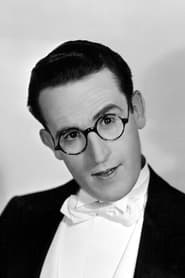
This was Harold Lloyd's first full-length feature film, marking his transition from short comedies to feature-length productions. The picture was shot over several weeks in early 1921, with extensive location filming at actual naval facilities to add authenticity. The submarine sequence required elaborate set construction and special effects that were considered groundbreaking for the time. Lloyd performed many of his own stunts, including several dangerous sequences aboard naval vessels. The production faced challenges coordinating with the U.S. Navy for filming permissions, but ultimately secured cooperation that allowed for unprecedented access to naval ships and facilities.
Themes
Social mobility and personal growthThe value of hard work and perseveranceRomantic love overcoming social obstaclesMilitary service as character-buildingThe American Dream of self-improvement
Themes & topics
Historical background
Hal Roach Studios's 1921 release of A Sailor-Made Man fit contemporary United States programs that mixed fiction, news, and novelty subjects for repeat weekly attendance.
Why this film matters
Programmers and historians revisit A Sailor-Made Man (1921) because its story—an idle, wealthy playboy foolishly joins the navy when the father of the girl he wants to marry tells him to get a job to prove himself worthy—illustrates popular narrative habits and production norms of the period.
Making of
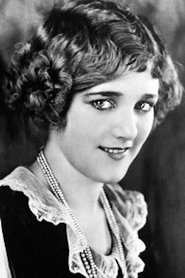
The production of 'A Sailor-Made Man' represented a significant milestone in Harold Lloyd's career, marking his ambitious leap into feature-length filmmaking. The collaboration between Lloyd and director Fred C. Newmeyer, who had worked together on numerous shorts, proved crucial in maintaining the comedic timing and pacing required for a longer format. the picture's naval sequences required extensive coordination with the U.S. Navy, which was initially reluctant but eventually became cooperative after recognizing the potential recruitment value of the picture. Lloyd, known for his meticulous preparation, spent weeks studying naval mannerisms and routines to ensure authenticity in his performance. The famous cleaning sequence, where Harold's character creates chaos while attempting to scrub a deck, involved complex choreography and multiple takes to perfect the timing of the physical comedy. The submarine climax required innovative special effects techniques, including the construction of a large water tank and detailed miniature models. Mildred Davis's casting as the romantic lead was natural given her real-life marriage to Lloyd, but their on-screen chemistry was carefully managed to avoid appearing too domestic for the romantic comedy format. the picture's success led to immediate planning for Lloyd's next feature, establishing a pattern that would continue through the rest of the silent era.
What critics said
English-language trade reviews of A Sailor-Made Man are limited for 1921. Where notices survive, they stress pacing and photographic clarity; later criticism values the title as archival evidence of studio style.
Did you know?
- This was Harold Lloyd's first full-length feature film after years of making successful short comedies
- the picture's success convinced Lloyd and producer Hal Roach to focus primarily on feature-length productions
- Mildred Davis, who plays the female lead, was Harold Lloyd's real-life wife at the time of filming
- The U.S. Navy cooperated extensively with the production, providing access to ships and facilities rarely seen in films of the era
- Noah Young, who plays the heavy, was a former professional athlete and became one of Lloyd's most frequent co-stars
- the picture was shot on location at the U.S. Naval Training Station in San Diego, California
- A famous sequence involving Lloyd trying to clean a naval vessel took three days to film due to the complexity of the gags
- the picture's title was a play on the common phrase 'self-made man,' adapted for the naval theme
- Original release prints were tinted in various colors to enhance different scenes, a common practice in the 1920s
- The submarine sequence in the picture's climax used one of the first miniature submarine models ever created for cinema
Visual style
The cinematography by Walter Lundin and Glen Gano was considered innovative for its time, particularly in its use of location photography at actual naval facilities. the picture employed a mix of studio sets and authentic locations, creating a visual variety that enhanced the storytelling. The naval sequences utilized wide shots to capture the scale of ships and harbor facilities, while intimate scenes used closer framing to emphasize the romantic elements. the picture also made effective use of the then-popular technique of tinting, with blue tones for naval scenes and warm amber for romantic moments. The submarine sequence required special photographic techniques including underwater photography effects that were cutting-edge for 1921. The camera work during physical comedy sequences was particularly noteworthy for its ability to capture complex gags while maintaining clear sightlines for the audience. The cinematography successfully balanced the epic scale of naval life with the intimate comedy of Lloyd's performance, creating a visual style that supported both the romantic and comedic elements of the story.
Innovations
the picture featured several technical innovations for its time, most notably in its submarine sequence which required pioneering special effects techniques. The production team constructed one of the first detailed submarine models for underwater filming, using glass tanks and innovative camera housing to achieve realistic effects. The naval location filming represented an early example of extensive cooperation between Hollywood and the U.S. military, setting precedents for future military-themed productions. the picture's use of actual naval vessels and facilities provided an unprecedented level of authenticity for a comedy film. The complex cleaning sequence required innovative camera placement and timing to capture the elaborate physical comedy gags. The production also employed early forms of stunt coordination, particularly for scenes involving Harold's character navigating naval equipment and ship structures. the picture's successful integration of location photography with studio work demonstrated new possibilities for blending real and constructed environments in cinema.
Music
As a silent film, 'A Sailor-Made Man' was originally accompanied by live musical performances that varied by theater. Large urban theaters typically commissioned full orchestral scores, while smaller venues used piano or organ accompaniment. The suggested score, distributed by Pathé Exchange, included popular naval-themed songs of the period such as 'Anchors Aweigh' and original compositions by theater musicians. The music was carefully coordinated with the action, with lively marches for naval sequences and romantic melodies for the love scenes. Modern restorations have been accompanied by newly composed scores, most notably a 2005 version by the Mont Alto Motion Picture Orchestra that incorporates authentic period music. The original cue sheets specified particular emotional tones for each scene, emphasizing the importance of music in conveying the picture's comedic and romantic elements. The soundtrack's naval themes reinforced the picture's patriotic elements while the romantic underscore supported the developing love story between Harold and Mildred.
Famous quotes
Harold's character: 'I'll show you! I'll get a job!' (when challenged by Mildred's father)
Mildred's father: 'No daughter of mine will marry a man who's never done an honest day's work!'
Harold's character: 'The Navy? That's it! I'll join the Navy!'
Naval officer: 'You, sir, are the worst sailor I have ever seen!'
Mildred: 'Oh Harold, you're so brave when you're trying so hard!'
Memorable scenes
- The chaotic deck cleaning sequence where Harold's character creates a soapy disaster while trying to prove his competence
- The enlistment scene where Harold impulsively signs up for the Navy without understanding what he's getting into
- The submarine climax involving a dramatic rescue operation that Harold's unexpected heroism
- The initial confrontation between Harold and Mildred's father that sets the entire plot in motion
- The basic training montage showing Harold's struggles with naval discipline and physical requirements
What audiences thought
Audiences in 1921 embraced 'A Sailor-Made Man' with tremendous enthusiasm, making it one of the year's biggest box office successes. the picture played to packed houses in major cities across America and was particularly popular with younger audiences who identified with Harold's character. Contemporary newspaper accounts reported frequent laughter and applause during screenings, with the naval sequences generating especially strong reactions. the picture's success led to increased demand for Harold Lloyd appearances and merchandise, solidifying his status as one of the three major comedy stars of the silent era alongside Chaplin and Keaton. Audience letters to fan magazines frequently praised the picture's blend of romance and comedy, with many viewers expressing particular enjoyment of the authentic naval setting. the picture's popularity extended internationally, with strong reported reception in Europe where American comedies were gaining significant followings. Modern audiences viewing restored versions continue to respond positively to the picture's physical comedy and charming romance, with many noting its surprisingly modern sensibilities despite being a century old.
Film connections
Influenced by
- Earlier Harold Lloyd short comedies
- Charlie Chaplin's feature 'The Kid' (1921)
- Buster Keaton's transition to features
- Traditional American romantic comedy structure
- Military-themed films of the WWI era
- Popular culture's fascination with naval life
This film influenced
- Harold Lloyd's subsequent features including 'Grandma's Boy' (1922)
- Other naval comedies of the 1920s
- The romantic comedy genre structure
- Military-themed comedies throughout cinema history
- Films featuring wealthy protagonists learning life lessons
- Physical comedy films requiring location shooting
Film restoration
the picture is well-preserved with complete copies existing in major film archives. A restored version was released by the Harold Lloyd Trust in 2005 with newly commissioned musical accompaniment. The original nitrate negatives have been preserved and transferred to safety stock. the picture is part of the permanent collections at the Library of Congress, the UCLA Film and Television Archive, and the Museum of Modern Art. Various versions exist including the original release version and later reissue prints with minor alterations. The restoration work has preserved the original tinting effects and intertitles, maintaining the picture's original visual presentation.
Where to watch
- Available on Blu-ray and DVD from The Criterion Collection as part of Harold Lloyd collections
- Streaming on The Criterion Channel
- Available for digital purchase on Amazon Prime Video and Apple TV
- Occasionally screened at film festivals and revival theaters specializing in silent cinema
- Accessible through various classic film streaming services
- Available for educational viewing through university film departments and archives