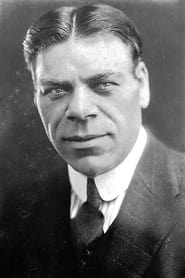
Dick Sutherland
Actor
Born: December 23, 1882 in Benton, Illinois, USA Died: February 3, 1958 Active: 1914-1930 Birth Name: Richard Stanley
Films
5 films
About Dick Sutherland
prominent character actor of the silent film era — known for his imposing physical presence and distinctive features that made him instantly recognizable on screen. Standing over six feet tall and weighing more than 300 pounds, he carved out a niche playing villains, comic foils, and memorable supporting roles throughout the 1920s. His career began in the mid-1910s, appearing in numerous short comedies before transitioning to feature films where he worked with some of the biggest stars of the era, including Harold Lloyd, Buster Keaton, and Lon Chaney. Sutherland's most prolific period was from 1921 to 1929, during which he appeared in dozens of films, often typecast as the heavy or comic relief due to his size and expressive face. With the advent of sound pictures, his career began to wane, though he made a few appearances in early talkies before retiring from acting. Despite never achieving leading man status, Sutherland remained a familiar heavy in Harold Lloyd and Buster Keaton comedies through the 1920s, leaving an indelible mark on silent cinema through his memorable performances.
The Craft
On Screen
Physical and expressive acting style utilizing his large frame and distinctive facial features. Known for broad gestures and exaggerated expressions that worked well in silent film medium. Often employed slapstick comedy techniques when playing comic relief roles, but could deliver menacing performances as villains when required.
Milestones
- Breakthrough role in Harold Lloyd comedies (1919-1923)
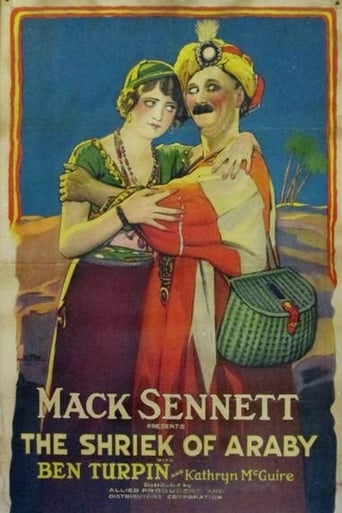
- Memorable villain in 'The Shriek of Araby' (1923)
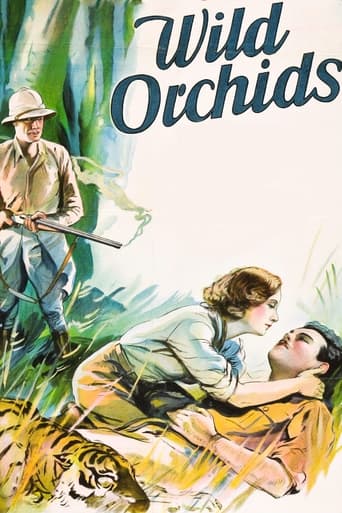
- Supporting role in 'Wild Orchids' (1929)
- Transition to sound films in early 1930s
- Over 150 film appearances during silent era
Best Known For
Iconic Roles
Must-See Films
Accolades
Special Recognition
- Recognized as
Working Relationships
Worked Often With
Studios
Why They Matter
Impact on Culture
Dick Sutherland represented the quintessential silent film character actor, demonstrating how distinctive physical attributes could be leveraged into a successful career in supporting roles. His work with comedy pioneers like Harold Lloyd helped establish the template for the comic foil archetype that would become standard in film comedy. Sutherland's ability to transition between villainous and comic roles showcased the versatility required of character actors in the silent era, where performers often needed to be multifaceted to maintain steady employment. His imposing presence in dozens of films made him.
Lasting Legacy
Dick Sutherland's legacy lies in his contribution to the golden age of silent comedy and his embodiment of the character actor's importance in classic Hollywood. While never a star, his consistent work ethic and memorable performances in hundreds of films helped define the visual language of silent cinema. Modern film historians and silent film enthusiasts recognize him as an essential part of the supporting cast that made the films of Harold Lloyd, Buster Keaton, and other comedy legends successful. His career shows the crucial role character actors play in creating the classic cinema.
Who They Inspired
Sutherland influenced subsequent generations of character actors, particularly those with distinctive physical features, demonstrating how unique attributes could become assets rather than limitations in Hollywood. His work in establishing the dynamic between leading comedians and their comic foils set patterns that would be followed throughout film history. Contemporary character actors who specialize in physical comedy or villainous roles owe a debt to pioneers like Sutherland who proved that supporting players could achieve lasting recognition through memorable, consistent performances.
Off Screen
Dick Sutherland was known as a private individual who kept his personal life largely out of the public eye, which was common for character actors of his era. Despite his imposing screen presence, those who worked with him described him as gentle and professional off-camera. He never married and had no children, dedicating his life primarily to his craft. After retiring from films, he lived a quiet life in Los Angeles, occasionally appearing at film retrospectives and silent film conventions in his later years.
Education
Limited formal education; likely attended local schools in Benton, Illinois before moving to pursue acting career
Did You Know?
- Stood over 6 feet 4 inches tall and weighed more than 300 pounds
- His real name was Richard Stanley, but he changed it to avoid confusion with another actor
- Appeared in more films than many leading actors of his era, though mostly in small roles
- Was a favorite of director Hal Roach for his reliability and distinctive appearance
- Made a successful transition from shorts to feature films in the early 1920s
- Often played the heavy or villain in Harold Lloyd films, providing physical contrast to the smaller comedian
- His distinctive eyebrows and intense stare made him particularly effective in villainous roles
- Despite his intimidating appearance, was known as one of the kindest actors on set
- Retired from acting shortly after the transition to sound films began
- Was frequently typecast but managed to bring unique nuances to each similar role
In Their Own Words
In silent films, your face had to do all the talking. With a face like mine, that wasn't hard.
Being big doesn't make you a villain, but it sure helps you get cast as one!
I never cared about being the star. Making people laugh or gasp was reward enough.
Frequently Asked Questions
Who was Dick Sutherland?
Prominent American character with credits in this catalog. Standing over 6'4" and weighing more than 300 pounds, he became.
What films is Dick Sutherland best known for?
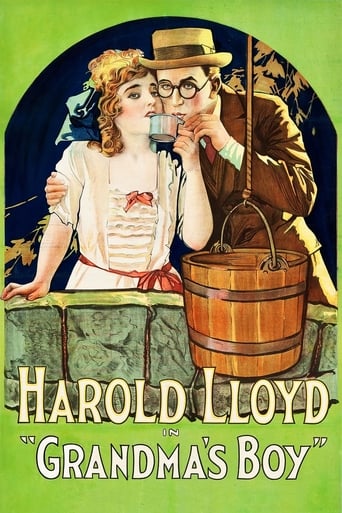
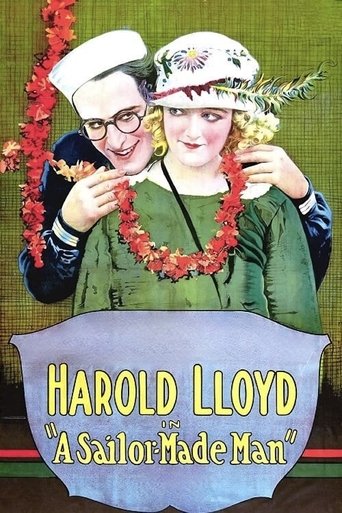
Titles linked here include A Sailor-Made Man (1921), Grandma's Boy (1922).
When was Dick Sutherland born and when did he die?
Born December 23, 1882; died February 3, 1958.
What awards did Dick Sutherland win?
Dick Sutherland did not receive any major awards during his career, which was common for character actors of the silent era. However, he was recognized by film historians and silent cinema enthusiasts as.
What was Dick Sutherland's acting style?
Dick Sutherland employed a highly physical and expressive acting style that capitalized on his imposing size and distinctive facial features. In silent films, he used broad gestures, exaggerated expressions, and commanding physical presence to convey emotion and character, whether playing menacing villains or providing comic relief as the foil to smaller comedians.