Noah Young
Actor
Born: October 18, 1887 in Cañon City, Colorado, USA Died: April 23, 1958 Active: 1919-1934
Films
27 films
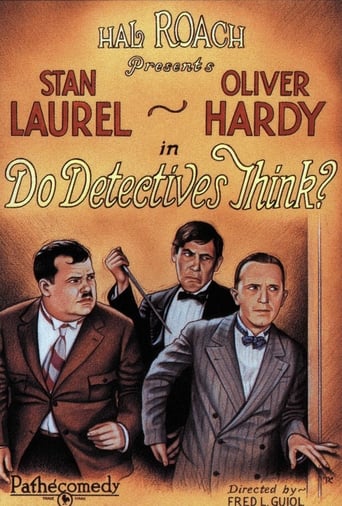
Do Detectives Think?
1927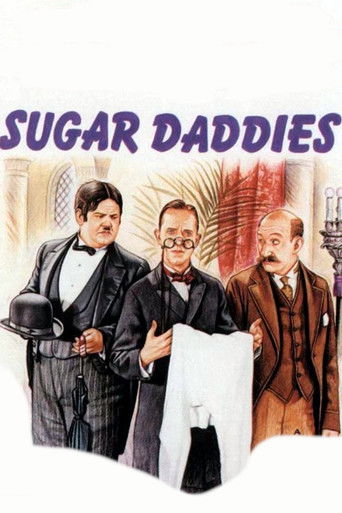
Sugar Daddies
1927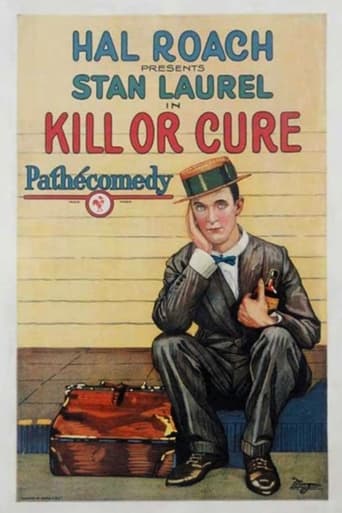
Kill or Cure
1923
An Eastern Westerner
1920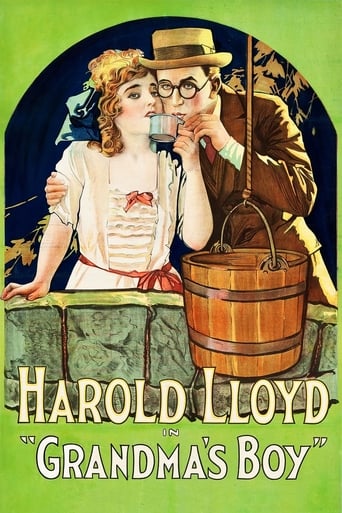
Grandma's Boy
1922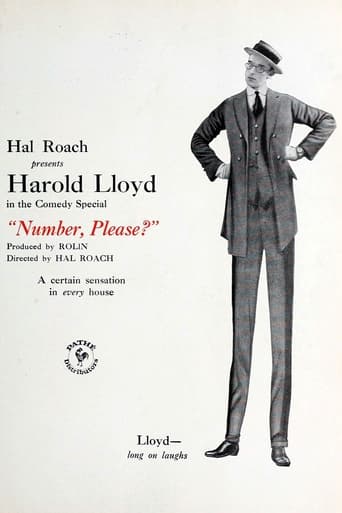
Number, Please?
1920
High and Dizzy
1920
Should Sailors Marry?
1925
A Sailor-Made Man
1921
Why Girls Say No
1927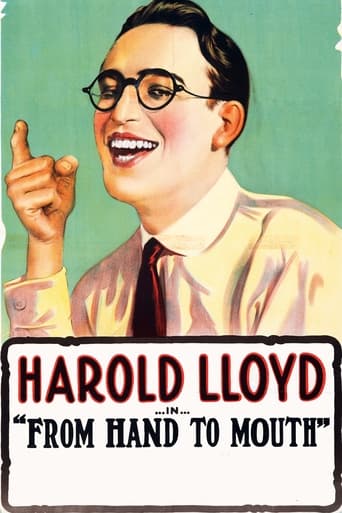
From Hand to Mouth
1919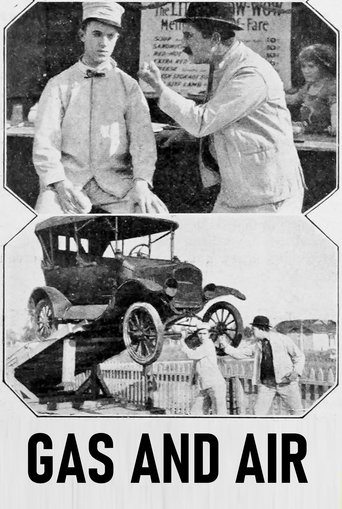
Gas and Air
1923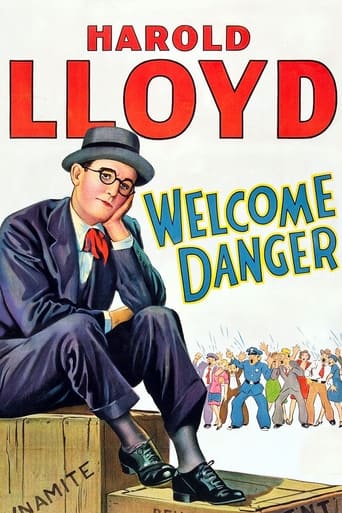
Welcome Danger
1929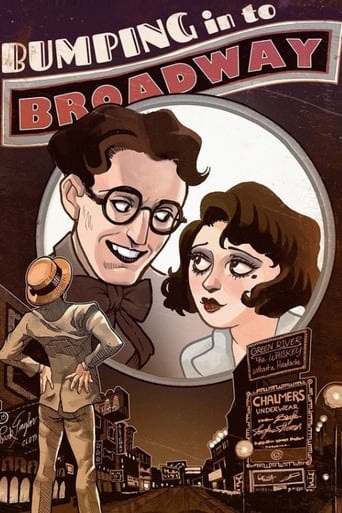
Bumping Into Broadway
1919
Brothers Under the Chin
1924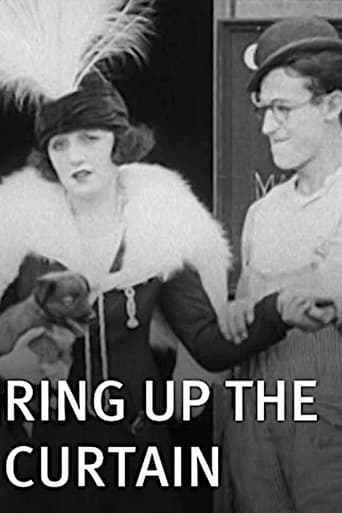
Ring Up the Curtain
1919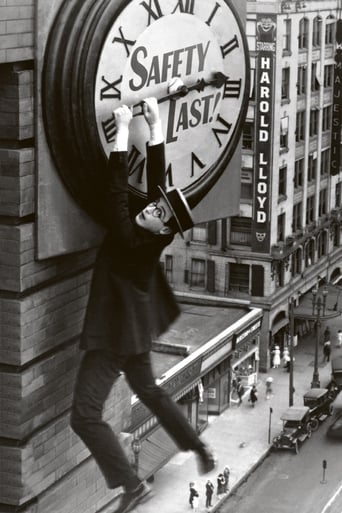
Safety Last!
1923
For Heaven's Sake
1926
Feet First
1930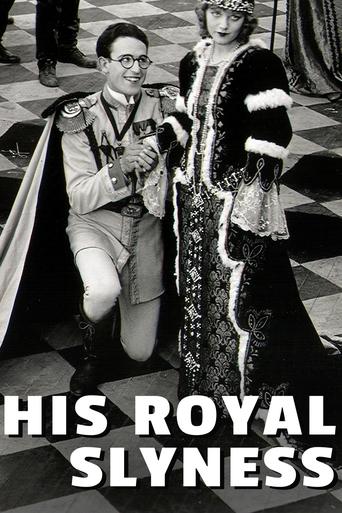
His Royal Slyness
1920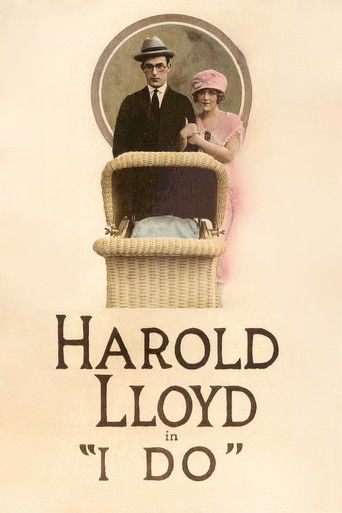
I Do
1921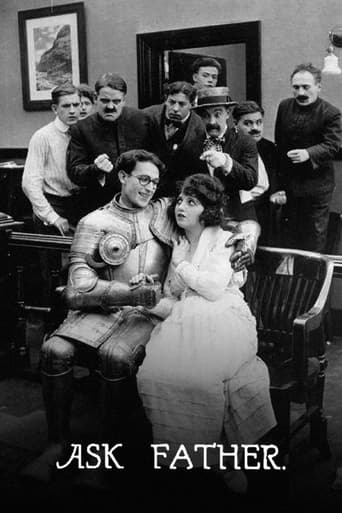
Ask Father
1919
Just Rambling Along
1918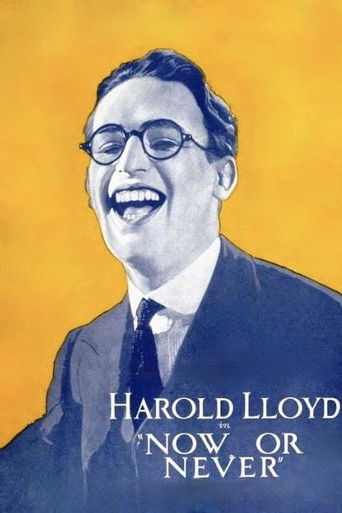
Now or Never
1921
Chop Suey & Co.
1919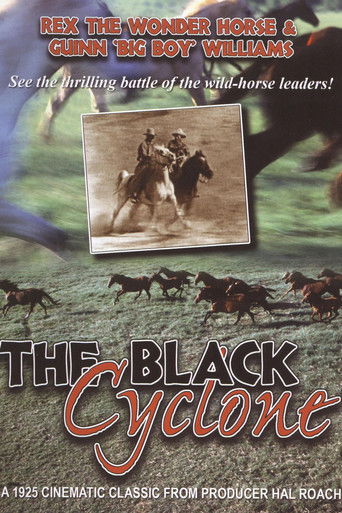
The Black Cyclone
1925About Noah Young
Prominent character actor during the silent film era, best known for his memorable collaborations with comedy legend Harold Lloyd. Born in Colorado, Young began his film career in the late 1910s and quickly established himself as the perfect antagonist to Lloyd's comedic protagonist, thanks to his imposing physical presence and expressive face. Standing over six feet tall with a muscular build, Young created an unforgettable screen persona as the heavy or villain in dozens of Lloyd's most famous comedies. His ability to convey menace and comedy simultaneously made him an essential part of Lloyd's formula for success throughout the 1920s. Young appeared in more than 40 films with Lloyd, including both shorts and features, becoming recognizable supporting actors of the silent era. His career declined with the transition to sound films, though he continued to appear in smaller roles through the early 1930s. Today, film historians recognize Young as a crucial contributor to the golden age of silent comedy, whose performances helped define the visual language of American film comedy.
The Craft
On Screen
Noah Young specialized in physical comedy and character acting, using his impressive stature and muscular build to create memorable antagonists. His style combined genuine menace with comedic timing, often playing the heavy who could be both threatening and hilarious in the same scene. Young excelled at slapstick and pratfalls, utilizing his athletic ability to enhance the visual comedy. His facial expressions could range from intimidating glares to comical bewilderment, making him the perfect foil for Harold Lloyd's everyman character. Unlike many heavies of the era, Young brought nuance to his villainous roles, creating characters that audiences loved to hate but also found entertaining.
Milestones
- Became Harold Lloyd's primary antagonist in over 40 films
- Starred in the classic feature 'Safety Last!' (1923)
- Appeared in 'The Freshman' (1925), one of Lloyd's most successful features
- Worked consistently through the peak of silent comedy era (1919-1929)
- Transitioned briefly to sound films in the early 1930s
Best Known For
Iconic Roles
Must-See Films
Accolades
Special Recognition
- Recognized as
- Featured in multiple retrospectives of Harold Lloyd's work
- Honored in film historian circles for contributions to silent era cinema
Working Relationships
Worked Often With
Studios
Why They Matter
Impact on Culture
Noah Young's impact on silent cinema extends far beyond his status as a supporting actor. As Harold Lloyd's primary antagonist, Young helped establish the template for comedy duos that would influence generations of filmmakers. His physical presence and timing created a perfect counterbalance to Lloyd's comedic style, enabling some of the most memorable sequences in silent comedy history. The dynamic between Young and Lloyd demonstrated how effective antagonists could enhance comedic performances, a principle that continues to influence comedy filmmaking today. Young's work contributed to the global popularity of American silent comedies and helped establish Harold Lloyd as one of the three giants of silent comedy alongside Charlie Chaplin and Buster Keaton. His performances remain studied examples of physical comedy and character acting in film schools and by comedy historians.
Lasting Legacy
Noah Young's legacy is inextricably linked to the golden age of silent comedy and the enduring popularity of Harold Lloyd's films. While never a leading man, Young's contributions to some of the most celebrated comedies of the 1920s have ensured his place in cinema history. His ability to play both menacing and comedic simultaneously influenced how supporting antagonists would be portrayed in subsequent comedy films. Modern audiences continue to discover Young's work through revivals and home video releases of Lloyd's films, where his performances stand out as exemplary examples of silent era character acting. Film historians and preservationists recognize Young as an essential component of the creative team that produced some of cinema's most enduring comedies, and his work continues to be analyzed for its technical and artistic merits in the context of silent film history.
Who They Inspired
Noah Young's influence can be seen in the work of later character actors who specialized in playing antagonists in comedy films. His approach to combining physical presence with comedic timing became a model for supporting players in comedy duos and ensembles. The way Young could switch seamlessly between threatening and humorous moments influenced how villains would be portrayed in family comedies throughout the 20th century. His work with Harold Lloyd demonstrated the importance of a strong antagonist in comedy, a principle that influenced countless filmmakers from the Marx Brothers to modern comedy directors. Young's legacy lives on not through direct protégés but through the enduring comedic techniques he helped perfect during the silent era, which continue to influence comedy performance and direction today.
Off Screen
Noah Young led a relatively private life away from the spotlight, though his imposing screen presence made him a recognizable figure during the height of his fame. He married and had children, but details about his family life remain scarce in historical records. After his film career declined in the early 1930s, Young largely disappeared from public view, living his later years away from Hollywood. His death in 1958 went largely unnoticed by the mainstream press, though film preservationists and silent cinema enthusiasts continued to celebrate his contributions to comedy. Young's legacy lives on through his extensive body of work with Harold Lloyd, which continues to entertain audiences and influence comedians today.
Education
Educational background not widely documented in historical records
Family
- Married (specific spouse name not widely documented)
Did You Know?
- Stood over 6 feet tall, making him an imposing figure in Harold Lloyd's films
- Appeared in more than 40 films with Harold Lloyd, making him Lloyd's most frequent antagonist
- Before acting, worked as a professional boxer and circus performer
- His muscular build came from years as a manual laborer before entering films
- Often performed his own stunts, contributing to the dangerous appeal of Lloyd's films
- Was one of the few actors who could convincingly intimidate the usually confident Harold Lloyd character
- His real first name was sometimes listed as 'Nowa' in early film credits
- Worked as a ranch hand in Colorado before moving to Hollywood
- His decline in sound films was partly due to his deep, gravelly voice not matching his silent persona
- Received no on-screen credit in many of his early films despite his prominent roles
In Their Own Words
No documented famous quotes - primarily a silent film actor known for physical performance rather than dialogue
Frequently Asked Questions
Who was Noah Young?
Prominent character with credits in this catalog. With his imposing physical presence and expressive face, Young became.
What films is Noah Young best known for?
Titles linked here include Safety Last! (1923), The Freshman (1925).
When was Noah Young born and when did he die?
Born October 18, 1887; died April 23, 1958.
What awards did Noah Young win?
Noah Young did not receive formal awards during his career, as supporting actors in silent films rarely received such recognition during that era. However, he is recognized by film historians and preservationists as a significant contributor to silent comedy, and his work continues to be celebrated in retrospectives of Harold Lloyd's films and silent cinema history.
What was Noah Young's acting style?
Noah Young specialized in physical comedy and character acting, using his impressive stature and muscular build to create memorable antagonists. His style combined genuine menace with comedic timing, often playing the heavy who could be both threatening and hilarious in the same scene. Young excelled at slapstick and pratfalls, utilizing his athletic ability to enhance the visual comedy of Harold Lloyd's films.
Why did Noah Young's career decline?
Noah Young's career declined with the transition to sound films in the late 1920s and early 1930s. His deep, gravelly voice didn't match the silent persona audiences had come to expect, and the demand for his specific type of physical comedy antagonist decreased in the sound era. He continued to appear in smaller roles through the early 1930s but never regained the prominence he enjoyed during the silent era.
How did Noah Young contribute to Harold Lloyd's success?
Noah Young was essential to Harold Lloyd's success by providing the perfect antagonist to Lloyd's protagonist character. His imposing presence and ability to convey both menace and comedy created the necessary tension and conflict that drove Lloyd's films. Young's performances elevated the physical comedy and helped establish the visual language that made Lloyd's films so popular and enduring.