
Kill or Cure
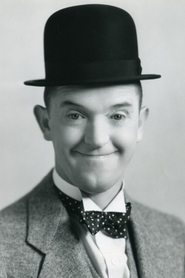
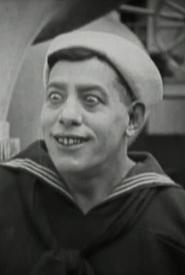
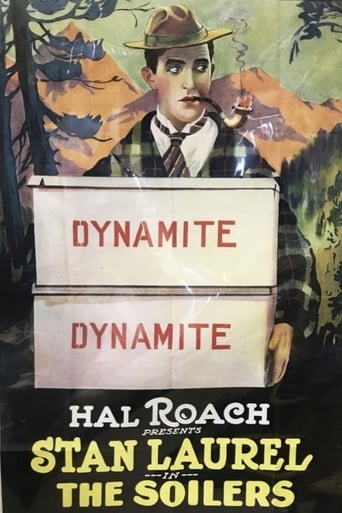
"Stan Laurel sells Professor I.O. Dine's Knox-All tonic."
Keys: Space play/pause · ←/→ 10s · F fullscreen · M mute · </> speed
About this film
Laurel portrays a commercial traveller, hawking a patent medicine cried Professor I.O. Dine's Knox-All: that name is the funniest joke in this movie, which ain't sayin' much. I should point out that this movie dates from 1923, the shank of Prohibition. During Prohibition, quite a.
Cast & crew
More films like this
More from Scott Pembroke
View all →
More about this film
About the production
Release dateJuly 15, 1923
Box officeUnknown - box office figures for individual shorts of this era were rarely documented
ProductionHal Roach Studios
Filmed inLos Angeles, California
This was one of many comedy shorts Stan Laurel made for Hal Roach Studios before his official pairing with Oliver Hardy. The film was produced quickly and efficiently, as was typical for comedy shorts of this era. The patent medicine theme was particularly relevant to audiences of the time due to Prohibition, making the alcohol content of such 'medicines' a source of both humor and recognition.
Themes
Prohibition and alcohol consumptionDeception and fraudThe American salesman archetypeHealth and medicine quackeryClass and economic struggles
Themes & topics
patent medicinedoor-to-door salesProhibitioncomedyshort filmsilent filmStan Laurelslapstickdeceptionalcohol
Historical background
Kill or Cure (1923) reached screens through Hal Roach Studios. Exhibitors of the time built silent-era bills that mixed shorts, features, and live acts, so a clear premise helped Kill or Cure travel between cities and exchange markets.
Why this film matters
Archivists and revival programmers still cite Kill or Cure (1923) when tracing studio habits, casting pools, and the visual rhetoric audiences once took for granted. Even modest surviving prints help map how Kill or Cure fit beside competing releases of its day.
Making of
The production of 'Kill or Cure' was typical of the efficient factory-like system at Hal Roach Studios during the early 1920s. Comedy shorts were produced rapidly, often with minimal scripting and heavy reliance on improvisation from the performers. Stan Laurel, who had considerable creative input even in his solo films, would have developed many of the gags himself. The patent medicine theme was deliberately chosen for its contemporary relevance to audiences living under Prohibition. The film was likely shot in just a few days on the studio lot or nearby locations, with simple sets representing various doorways and interiors where Laurel's character attempts to sell his dubious product.
What critics said
Trade coverage around 1923 discussed Kill or Cure for pacing, clarity, and program fit rather than blockbuster grosses. Later writers value it as evidence of period style and as a reference point beside other films from the same era.
Did you know?
- the production was made during Stan Laurel's solo career period, before he was officially paired with Oliver Hardy in 1927
- The name 'Professor I.O. Dine's Knox-All' is a pun, with 'I.O. Dine' sounding like 'iodine' and 'Knox-All' suggesting it knocks out all ailments
- The film capitalizes on the real-life phenomenon of patent medicines containing high alcohol content during Prohibition
- Noah Young, who appears in the production, would later become a regular supporting actor in Laurel and Hardy films
- The film was part of a series of shorts Laurel made for Hal Roach Studios in 1923
- Katherine Grant was one of the few actresses who appeared opposite Laurel in multiple solo films
- The patent medicine salesman character was a common archetype in silent comedy, allowing for gags involving dubious products
- the production survives today and is available through various archives and classic film distributors
- The runtime of 20 minutes was standard for comedy shorts of this era
- Director Scott Pembroke was a former actor who transitioned to directing, specializing in comedy shorts
Visual style
The cinematography in 'Kill or Cure' was typical of early 1920s comedy shorts - straightforward and functional, designed primarily to clearly capture the physical comedy and gags. The camera work would have been static for most scenes, with basic close-ups for emotional moments. The visual style emphasized clarity over artistry, ensuring that audiences could follow the slapstick action and read intertitles easily. Lighting would have been basic studio lighting, sufficient for exposure but not particularly sophisticated.
Innovations
No significant technical achievements are associated with 'Kill or Cure.' The film used standard filmmaking techniques and equipment of the early 1920s. Like most comedy shorts of its era, it prioritized efficient production and clear presentation of gags over technical innovation. The film represents the established, reliable methods of Hollywood studio production rather than pushing technical boundaries.
Music
As a silent film, 'Kill or Cure' would have been accompanied by live music during theatrical screenings. The typical accompaniment would have been a piano player or small orchestra providing appropriate mood music and synchronized sound effects. The score would have been compiled from standard photoplay music libraries, with selections chosen to match the on-screen action - upbeat music for comedic moments, tense music for chase sequences, and so on. No original composed score was created specifically for this short film.
Famous quotes
As a silent film, 'Kill or Cure' contains no spoken dialogue. Any famous quotes would come from intertitle cards, which for the production are not widely documented or remembered.
Memorable scenes
- The scene where Stan Laurel demonstrates the 'medicinal' properties of Knox-All to potential customers, inadvertently revealing its alcoholic nature through his own intoxicated behavior
- The climactic chase sequence involving law enforcement pursuing Laurel's character for selling alcohol disguised as medicine
- The door-to-door sequences where Laurel encounters increasingly skeptical and hostile customers
What audiences thought
Audiences in 1923 would have found the film entertaining and relatable, particularly the gags revolving around the patent medicine containing alcohol. The humor would have resonated with viewers familiar with Prohibition-era workarounds for obtaining alcohol. Modern audiences viewing the film today appreciate it as a historical document of early comedy and a glimpse of Stan Laurel before his famous partnership, though the humor may seem dated compared to later comedy classics.
Film connections
Influenced by
- Charlie Chaplin's tramp character
- Buster Keaton's deadpan style
- Harold Lloyd's everyman comedies
- Mack Sennett's Keystone comedy style
This film influenced
- Later Laurel and Hardy films featuring salesmen characters
- Other Hal Roach comedy shorts of the 1920s
- Sound era comedies featuring dubious products or salesmen
Film restoration
The film survives and is preserved. It exists in film archives and has been made available through various classic film distributors and home video releases. While not as widely circulated as Laurel and Hardy's later work, it is not considered a lost film and can be accessed by film enthusiasts and researchers.
Where to watch
- The film is available on various public domain and classic film compilation DVDs
- Some streaming services specializing in silent films and classic comedies may feature it
- Film archives and libraries may have access to preserved copies
- Occasionally appears in film festival programs focusing on silent comedy or Stan Laurel's early career