
A Jazzed Honeymoon
"Newlywed pride meets boiler-room chaos"
Keys: Space play/pause · ←/→ 10s · F fullscreen · M mute · </> speed
About this film
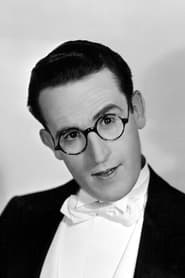
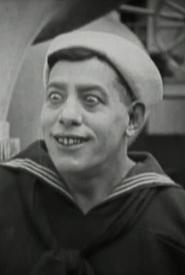
Harold's the skinny sap who married the hottie, and he doesn't quite have the spine to tell her ex-beaus to blow. The honeymoon finds him mistaken for a boiler worker.
Cast & crew
More films like this
More Romance films
View all →




More from Hal Roach
View all →

More about this film
About the production
Release dateJune 1, 1919
Box officeUnknown - short films typically didn't track individual box office
ProductionHal Roach Studios
Filmed inLos Angeles, California
This was one of Harold Lloyd's early shorts for Hal Roach, filmed during the transition period when Lloyd was developing his 'Glass Character' persona. The film was shot on location and on studio sets in the Los Angeles area, typical of Roach's efficient production methods. The boiler room scenes were likely filmed on constructed sets to accommodate the physical comedy sequences.
Themes
Marriage and relationshipsMistaken identityMale insecuritySocial awkwardnessHoneymoon anxieties
Themes & topics
honeymoonmistaken identityboiler workersilent comedyshort filmharold lloydbebe danielshal roach1910sphysical comedyromancecomedyex-boyfriendshotel
Historical background
A Jazzed Honeymoon reached screens around 1919, produced in its country of origin. Silent-era houses paired such titles with live music and newsreel bills.
Why this film matters
Researchers cite A Jazzed Honeymoon when tracing screen culture of its decade.
Making of
The production of 'A Jazzed Honeymoon' exemplified the efficient assembly-line approach of Hal Roach Studios during the silent era. Harold Lloyd was rapidly developing his screen persona, moving away from his earlier 'Lonesome Luke' character toward the more sophisticated 'Glass Character' that would make him famous. The film was shot quickly, as was typical for comedy shorts of the period, often completing production in just a few days. Bebe Daniels and Harold Lloyd had developed strong on-screen chemistry through their frequent collaborations, which helped sell the romantic comedy elements. The boiler room sequences required careful choreography for the physical comedy, with Lloyd performing many of his own stunts as was his custom. The mistaken identity premise allowed for maximum comedic situations while keeping the production relatively simple and contained, a hallmark of Roach's economical production philosophy.
What critics said
Reviewers in 1919 weighed A Jazzed Honeymoon on clarity, pacing, and audience response rather than prestige status. No single canonical review dominates later reference works for the title.
Did you know?
- This film was released during the same year that the term 'jazz' was entering mainstream American vocabulary, reflecting the cultural zeitgeist of the Jazz Age.
- Harry 'Snub' Pollard, who appears in the film, was a regular collaborator with Harold Lloyd in their early comedy shorts.
- The film was one of over 200 short comedies Harold Lloyd would make before transitioning to feature films.
- Bebe Daniels, Harold Lloyd's co-star, was especially popular actresses of the 1910s and would later become a major star in talkies.
- The mistaken identity plot was a common trope in silent comedies, allowing for maximum comedic confusion.
- This film was produced during the same period as Lloyd's more famous 'Lonesome Luke' character was being phased out in favor of his more recognizable 'Glass Character'.
- The title 'A Jazzed Honeymoon' reflects the contemporary slang of the period, where 'jazzed' meant excited or energetic.
- Hal Roach Studios was known as 'The Lot of Fun' due to its specialization in comedy productions.
- The film's release coincided with the post-WWI boom in American cinema attendance.
- This short was likely distributed through Pathé Exchange, which handled many Hal Roach productions during this period.
Visual style
The cinematography of 'A Jazzed Honeymoon' reflects the standard practices of silent comedy production in 1919. The film was likely shot by Walter Lundin or another Roach studio regular, using the stationary camera techniques common to the era. The visual composition focuses on clearly framing the physical comedy and facial expressions essential to silent storytelling. The boiler room sequences would have used careful lighting to create dramatic shadows while ensuring the action remained visible. The film employs the typical shot composition of the period, with medium shots for dialogue/intertitle scenes and wider shots for physical comedy sequences. The cinematography prioritizes clarity and functionality over artistic experimentation, as was standard for comedy shorts of this period. The visual style serves the comedy rather than calling attention to itself, ensuring that the gags and performances remain the focus.
Innovations
While 'A Jazzed Honeymoon' was not a groundbreaking film technically, it represents the solid craftsmanship of Hal Roach Studios during the silent era. The film demonstrates the efficient production techniques that made Roach's operation profitable, including the use of standing sets and location shooting around Los Angeles. The physical comedy sequences required careful timing and coordination between performers and camera, showcasing the growing sophistication of comedy filmmaking. The mistaken identity plot necessitated clear visual storytelling through costume and performance, an important technical consideration in silent cinema. The film's editing would have used the standard continuity techniques of the period, ensuring clear narrative progression despite the absence of dialogue. While not innovative, the film exemplifies the polished technical execution that characterized professional comedy shorts of the late 1910s.
Music
As a silent film, 'A Jazzed Honeymoon' had no recorded soundtrack but would have been accompanied by live musical performance during theatrical exhibition. Typical accompaniment would include a pianist or small theater orchestra playing popular songs of the period, classical pieces, and specially composed mood music. The title's reference to 'jazz' suggests that contemporary jazz-influenced popular music might have been incorporated into the live accompaniment. The romantic elements would have been underscored with sentimental melodies, while the comedy sequences would have featured more upbeat, rhythmically engaging music. The boiler room scenes might have been accompanied by mechanical-sounding musical effects to enhance the industrial setting. No specific score or musical arrangements for this film survive, as was typical for shorts of this era where musicians would improvise or use standard repertoire appropriate to the on-screen action.
Famous quotes
Intertitle: 'He married the girl of his dreams - but her ex-beaus were still having nightmares'
Memorable scenes
- The boiler room sequence where Harold, mistaken for a worker, must perform manual labor while trying to maintain his dignity as a honeymooning husband
- The hotel lobby scene where Harold confronts his wife's persistent admirers
- The climactic chase sequence through the hotel involving all the mistaken identities and confused characters
What audiences thought
Audiences in 1919 received 'A Jazzed Honeymoon' as standard but enjoyable entertainment, typical of Harold Lloyd's popular shorts. The combination of romance, physical comedy, and the honeymoon setting appealed to the film-going public of the era. Harold Lloyd's growing star status ensured that his shorts were well-attended, and the mistaken identity premise provided the expected laughs and entertainment value. The film likely played well to mixed audiences, as romantic comedies with broad physical humor appealed across demographics. Contemporary audience reactions would have been expressed through theater attendance and word-of-mouth rather than modern feedback systems. Modern audiences viewing the film through archives or screenings generally appreciate it as a time capsule of early silent comedy, though it lacks the sophistication of Lloyd's later works. Silent film enthusiasts particularly value these early shorts for showing the development process of comedy techniques and star personas.
Film connections
Influenced by
- Charlie Chaplin's romantic comedies
- Mack Sennett's Keystone style
- Earlier Harold Lloyd shorts
This film influenced
- Later Harold Lloyd romantic comedies
- 1920s mistaken identity comedies
- Hal Roach studio shorts
Film restoration
The preservation status of 'A Jazzed Honeymoon' is uncertain, as many silent shorts from this period have been lost. However, some Harold Lloyd shorts from the Hal Roach era have survived through archives and private collections. The film may exist in film archives such as the Library of Congress, UCLA Film & Television Archive, or the Harold Lloyd estate collection. The Harold Lloyd Trust has been active in preserving and restoring his films, so there's a possibility this short survives in some form. Complete preservation information for this specific title is not widely documented in public sources.
Where to watch
- As a rare silent short, 'A Jazzed Honeymoon' is not currently available on major streaming platforms. Potential viewing options include film archive screenings, silent film festivals, or specialized DVD collections of Harold Lloyd's early works. The Harold Lloyd estate occasionally releases collections of his shorts, so checking their official releases or contacting film archives that specialize in silent cinema would be the best approach to locate this film.