Among Those Present
"Coat check to coronet"
Keys: Space play/pause · ←/→ 10s · F fullscreen · M mute · </> speed
About this film
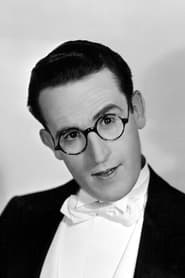
Harold Lloyd plays a hotel coat-room checker who impersonates an English lord to impress society guests, including his employer's daughter. Hal Roach's 1921 two-reeler turns class masquerade into escalating farce with Lloyd's trademark glasses character.
Cast & crew
More films like this
More Comedy films
View all →







More from Fred C. Newmeyer
View all →
More about this film
About the production
Release dateMay 29, 1921
Box officeExact figures unknown, but Harold Lloyd films of this era were highly profitable, often grossing several hundred thousand dollars
ProductionHal Roach Studios, Pathé Exchange
Filmed inHal Roach Studios, Culver City, California
was part of Harold Lloyd's successful transition from one-reel to two-reel comedies, allowing for more developed storylines and character development. The production utilized actual hotel ballrooms and high-society settings to create authentic atmosphere. Lloyd's attention to detail included studying actual British aristocrats' mannerisms and speech patterns for his impersonation scenes. The film was shot during the height of the post-WWI economic boom when American audiences were fascinated with European aristocracy.
Themes
Social mobility and the American DreamClass consciousness and social hierarchyIdentity and self-inventionLove across social boundariesThe pretensions of high society
Themes & topics
impersonationsocial climbinghotelpartyromanceclass differencesdeceptioncomedy of mannersaristocracymistaken identity
Historical background
Among Those Present belongs to Lloyd's Roach period before he moved to feature-length comedies. Class impersonation gags were a staple of 1920s American humor as urban audiences mocked aristocratic pretension.
Why this film matters
'Among Those Present' represents an important milestone in the development of American film comedy, showcasing Harold Lloyd's evolution from simple gag-based shorts to more sophisticated narrative comedies. The film's exploration of class themes and social aspiration tapped into fundamental American cultural narratives about mobility and self-invention. Lloyd's 'everyman' character, distinguished by his glasses and normal appearance, offered audiences a relatable hero unlike the more overtly comedic personas of his contemporaries. helped establish the template for the romantic comedy genre, blending humor with genuine emotional stakes. Its success demonstrated that audiences were ready for longer, more story-driven comedies, paving the way for the feature-length comedies that would dominate the late 1920s. The film also captured the essence of 1920s American optimism and the belief that wit and determination could overcome social barriers.
Making of
The production of 'Among Those Present' took place during a pivotal period in Harold Lloyd's career when he was establishing his signature 'Glasses Character' persona. Director Fred C. Newmeyer, who would later co-direct Lloyd's masterpiece 'Safety Last!', brought his expertise in timing and visual comedy to the project. The film was shot at the Hal Roach Studios during a period of intense creativity, with Lloyd's team developing new techniques for comedy pacing and narrative structure. The elaborate party scenes required coordination of dozens of extras in period costumes, creating a range of 1920s high society. Lloyd's method approach to comedy meant he spent weeks studying the mannerisms of the wealthy class, even attending real society events when possible. The film's success helped establish the formula that would make Lloyd one of the highest-paid stars of the 1920s.
What critics said
Exhibitors valued Lloyd's reliable laughs; critics noted the precision of the set-piece construction. The short survives as a representative Lloyd Roach comedy.
Did you know?
- This was one of Harold Lloyd's first major two-reel comedies, marking his evolution from shorter one-reel format to more substantial storytelling
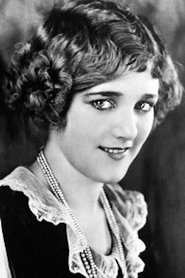
- Mildred Davis, who plays the female lead, would marry Harold Lloyd in real life just two years after 's release
- The film's theme of social climbing reflected the American Dream aspirations of the 1920s Jazz Age
- James T. Kelley, a frequent Lloyd collaborator, appears in a supporting role as one of the hotel staff
- The costume department created multiple versions of Lloyd's formal wear to accommodate the physical comedy sequences
- was part of a distribution deal with Pathé Exchange, which helped establish Lloyd as a major comedy star
- The success of led to more ambitious projects, eventually culminating in Lloyd's feature-length classics
- Actual society figures of the 1920s were consulted to ensure authenticity in the high-society scenes
- The film's title plays on the double meaning of being physically present versus being socially accepted
- Lloyd performed his own stunts in the film, including a sequence where he nearly falls from a balcony while maintaining his aristocratic composure
Awards & recognition
- No major awards were given for short comedies in 1921, as the Academy Awards were not established until 1929
Visual style
The cinematography by Walter Lundin employed innovative techniques for the time, including creative use of depth of field in the crowded party scenes to emphasize Lloyd's isolation among the wealthy elite. The camera work utilized static shots typical of early 1920s filmmaking but incorporated subtle movements to enhance the comedy timing. The film made effective use of lighting to create contrast between the humble coat-room and the opulent party spaces, visually reinforcing the class divide. Close-ups were strategically used to capture Lloyd's expressive facial reactions, a technique that became a hallmark of his comedy style. The cinematography also supported the film's physical comedy sequences with careful framing that allowed the full impact of Lloyd's movements to be appreciated.
Innovations
While not in technical innovation, 'Among Those Present' demonstrated sophisticated filmmaking techniques for its time, particularly in its seamless editing and pacing. The film's success in longer format (two reels versus the standard one reel) showed advances in narrative structure and continuity editing. The production utilized multiple camera setups for complex scenes, particularly the party sequences, allowing for more dynamic visual storytelling. The film also showcased advances in set design and art direction, creating convincing high-society environments that enhanced the comedy. The technical proficiency in coordinating large group scenes with multiple moving parts demonstrated the growing sophistication of Hollywood production methods in the early 1920s.
Music
As a silent film, 'Among Those Present' was originally accompanied by live musical scores performed in theaters. The typical score would have included popular songs of the era, classical pieces for the high-society scenes, and original compositions by theater musicians. The music would have emphasized the comedy with playful motifs during Lloyd's impersonation attempts and more romantic themes during his interactions with the female lead. Modern restorations of the film have been accompanied by newly composed scores by silent film specialists, attempting to recreate the spirit of the original theatrical experience. The musical choices would have reflected the 1921 popular music landscape, including jazz influences that were beginning to dominate American popular culture.
Famous quotes
Silent films did not contain spoken dialogue, but intertitles included: 'He was just a coat-room checker, but he had the ambitions of a king.'
Intertitle: 'In a world of tuxedos and tiaras, one man dared to dream... and to deceive.'
Intertitle: 'Sometimes the noblest hearts beat beneath the humblest coats.'
Memorable scenes
- The transformation sequence where Harold Lloyd changes from his humble coat-room uniform into an elaborate aristocratic outfit, struggling with the unfamiliar formal wear while trying to maintain dignity
- The grand entrance scene at the high-society party where Lloyd must impress the guests with his fabricated British accent and aristocratic mannerisms
- The near-discovery moment when a real English nobleman unexpectedly arrives at the party, forcing Lloyd to improvise wildly to maintain his deception
- The romantic balcony scene where Lloyd's working-class instincts clash with his attempts to woo the wealthy heroine using aristocratic charm
What audiences thought
Audiences in 1921 enthusiastically embraced 'Among Those Present,' with theaters reporting strong attendance and positive word-of-mouth. The film's relatable premise of an ordinary person dreaming of better circumstances struck a chord with post-war American viewers. Harold Lloyd's popularity soared following the release, with fan mail increasing significantly and theater owners demanding more Lloyd films. The success of this two-reel comedy demonstrated that audiences were ready for longer, more developed comedy narratives rather than just collections of gags. Contemporary audience reaction cards and theater reports indicate that viewers particularly enjoyed the social satire and the contrast between Lloyd's humble character and the aristocratic world he attempts to infiltrate. The film's box office success helped establish Lloyd as a major star capable of carrying longer films, directly leading to his transition into feature-length productions.
Film connections
Influenced by
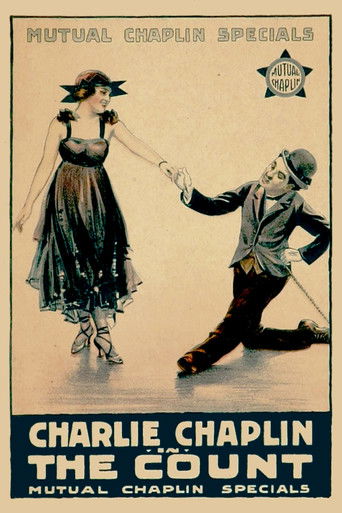
- Charles Chaplin's 'The Count' (1916)
- Buster Keaton's 'The Playhouse' (1921)
- European comedy of manners traditions
- American vaudeville routines
- Shakespearean mistaken identity comedies
This film influenced
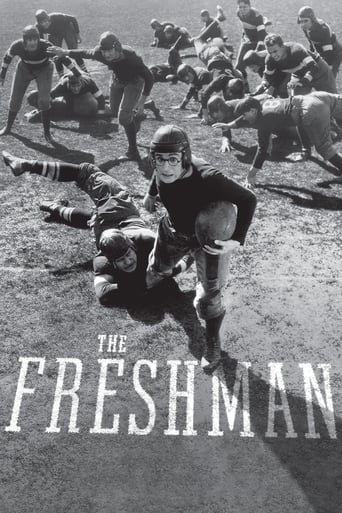
- Harold Lloyd's later 'The Freshman' (1925)
- Frank Capra's 'It Happened One Night' (1934)
- Billy Wilder's 'Some Like It Hot' (1959)
- Modern romantic comedies featuring social class themes
Film restoration
The film survives in complete form and has been preserved by major film archives including the Library of Congress and the UCLA Film & Television Archive. 16mm and 35mm copies exist in various collections, and the film has been digitally restored for modern viewing. The preservation quality is generally good, though some scenes show minor deterioration typical of films from this period. The survival of is notable given that approximately 75% of silent films have been lost.
Where to watch
- Available on DVD in 'The Harold Lloyd Collection' box sets from New Line Cinema
- Streaming on The Criterion Channel as part of their Harold Lloyd retrospective
- Available for digital rental or purchase on Amazon Prime Video
- Occasionally screened at film festivals and silent film revival theaters with live musical accompaniment
- Accessible through some university film archives and library collections