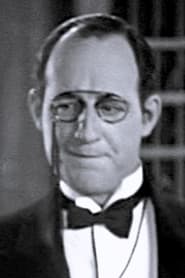
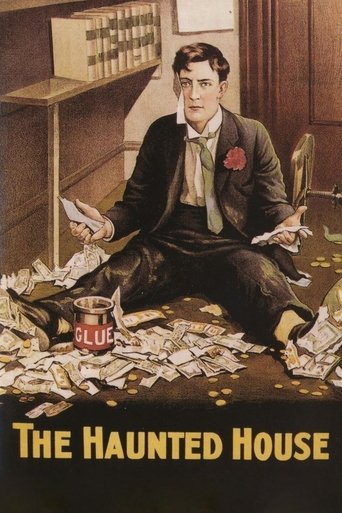
Haunted Spooks
"Fake groom needed to claim a haunted inheritance"
Keys: Space play/pause · ←/→ 10s · F fullscreen · M mute · </> speed
About this film
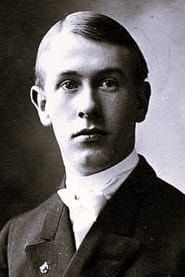
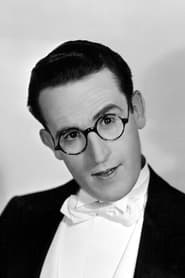
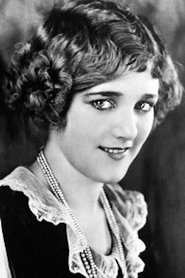
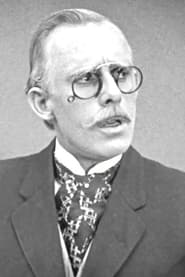
After numerous failed attempts to commit suicide, our hero (Lloyd) runs into a lawyer who is looking for a stooge to stand in as a groom in order to secure an inheritance for his client (Davis). The inheritance is a house, which her scheming uncle "haunts" so that he can scare them off and claim the property.
Cast & crew
More films like this
More Comedy films
View all →







More from Alfred J. Goulding
View all →
More about this film
About the production
Release dateMarch 28, 1920
Box officeSuccessful - contributed to Harold Lloyd's rising popularity and box office draw
ProductionHal Roach Studios
Filmed inLos Angeles, California, Hal Roach Studios lot
This film was produced during Harold Lloyd's transition from his earlier 'Lonesome Luke' character to his more famous 'Glasses Character' persona. The production utilized the Hal Roach Studios' standing sets, including the famous haunted house set that would be reused in several subsequent productions. The film's special effects, while primitive by modern standards, were considered innovative for 1920, incorporating wire work, trap doors, and clever camera tricks to create the supernatural illusions.
Themes
Inheritance and greedLove and romanceDeception and truthCourage vs. cowardiceSupernatural vs. rational
Themes & topics
haunted houseinheritancecomedystoogesuicide attemptsghostsdeceptionromanceuncle-niece relationshippropertysupernaturalphysical comedysilent film
Historical background
Made during the studio era of 1920, Haunted Spooks reached audiences through theatrical programs, fairground booths, or specialized distribution channels typical of its generation. After numerous failed attempts to commit suicide, our hero (Lloyd) runs into a lawyer who is looking for a stooge to. Historians now read such works for what they reveal about production methods, national taste, and the expanding vocabulary of screen narrative.
Why this film matters
Archivists and programmers still screen Haunted Spooks when tracing how popular entertainment evolved. Its subject—after numerous failed attempts to commit suicide, our hero (lloyd) runs into a lawyer who is—gives later viewers tangible evidence of what drew crowds in the silent period. Home video, restorations, and festival sidebars keep the title circulating among students of film history.
Making of
The production of 'Haunted Spooks' took place during a pivotal period in Harold Lloyd's career, as he was refining the character that would make him famous. The film's elaborate haunted house sequences required extensive planning and coordination between Lloyd, director Alfred J. Goulding, and the Hal Roach special effects team. Lloyd, known for his meticulous approach to comedy gags, personally choreographed many of the physical comedy sequences, often performing his own stunts despite the risks involved. The chemistry between Lloyd and Mildred Davis was genuine, as the two were developing a real-life romance that would lead to their marriage three years later. The film's production team utilized innovative techniques for the era, including hidden wires for floating objects and carefully timed trap doors to create the supernatural effects. The multiple suicide attempt sequence at the beginning of the film was particularly challenging to film, requiring precise timing and coordination between Lloyd, the camera crew, and various prop handlers to ensure each attempt failed in a spectacularly funny manner without causing actual injury.
What critics said
Original trade coverage treated Haunted Spooks as routine program filler rather than a landmark production—typical of steady studio output. Later criticism emphasizes preservation, stylistic comparison with contemporaries, and whatever cast or crew names later gained prominence. Contemporary writing is mostly historical: assessing completeness, influence, and place in a director's or studio's catalog.
Did you know?
- This film features one of Harold Lloyd's most famous early sequences involving multiple suicide attempts, each failing in increasingly comical ways.
- Mildred Davis, who plays the female lead, would later become Harold Lloyd's real-life wife in 1923.
- The haunted house set used in this film became a staple at Hal Roach Studios and was reused in numerous comedies throughout the 1920s.
- This was one of the first films to fully establish Harold Lloyd's 'Glasses Character' as his definitive screen persona.
- The film's success helped cement Harold Lloyd's status as one of the 'Big Three' silent comedians alongside Charlie Chaplin and Buster Keaton.
- Director Alfred J. Goulding was a frequent collaborator with Lloyd during this period, directing many of his early shorts.
- The film was produced and released before Lloyd's famous accident in 1919 where he lost his thumb and index finger, though he had already begun wearing his signature glove to conceal the injury.
- The inheritance plot device was a common trope in silent comedies, allowing for elaborate gags and misunderstandings.
- The film's title plays on the double meaning of 'spooks' as both ghosts and people who are easily frightened.
- This short was part of a series of successful two-reel comedies that Lloyd produced before moving into feature-length films.
Awards & recognition
- No major awards were given for short comedies in 1920
Visual style
The cinematography in 'Haunted Spooks' was typical of high-quality Hal Roach productions of the era, featuring clear, well-composed shots that effectively showcased Harold Lloyd's physical comedy. The film's cinematographer, likely Walter Lundin or another Roach regular, employed innovative camera techniques to enhance the supernatural elements, including creative use of lighting and shadow to create the haunted atmosphere. The camera work was particularly effective during the complex physical comedy sequences, maintaining clear sightlines while allowing for the full impact of Lloyd's gags. The film utilized multiple camera setups for the more elaborate sequences, a relatively advanced technique for 1920 that allowed for dynamic editing and pacing. The cinematography also made effective use of the studio's standing sets, creating a believable haunted house environment through careful lighting and composition. The visual style balanced the comedic elements with moments of genuine atmosphere, demonstrating the growing sophistication of film cinematography in the early 1920s.
Innovations
Haunted Spooks featured several technical achievements that were notable for 1920, particularly in the realm of special effects and physical comedy execution. The film's haunted house sequences employed innovative techniques including wire work for floating objects, hidden trap doors, and clever camera tricks to create supernatural illusions. The multiple suicide attempt sequence at the film's beginning required precise timing and coordination between performers, camera crew, and special effects technicians. The production utilized the then-emerging technique of multiple camera coverage for complex scenes, allowing for more dynamic editing and pacing. The film's special effects, while primitive by modern standards, were considered sophisticated for their time and contributed significantly to the comedy's effectiveness. The physical comedy sequences demonstrated advanced understanding of film rhythm and timing, with gags carefully choreographed for maximum comedic impact within the frame. The production also made effective use of the Hal Roach Studios' technical resources, including their advanced lighting equipment and standing sets, to create a polished final product that compared favorably with other major studio productions of the era.
Music
As a silent film, 'Haunted Spooks' would have been accompanied by live musical performance during its original theatrical run. The typical score would have been provided by a theater's organist or pianist, who would select appropriate music to match the on-screen action. For the comedy sequences, upbeat, playful music would have been used, while the haunted house scenes would have featured more mysterious, dramatic compositions. The score likely drew from popular classical pieces and standard photoplay music compilations that were commonly used by theater musicians. Some larger theaters might have employed small orchestras to accompany the film, providing a richer musical experience. The original musical cues and compositions for this specific film have not survived, as was typical for silent era productions. Modern restorations and screenings often feature newly composed scores or carefully selected period-appropriate music that captures the spirit of the original accompaniment while enhancing the viewing experience for contemporary audiences.
Famous quotes
[Intertitle] 'Looking for a husband? I'm your man!'
[Intertitle] 'This house is haunted... and we're the ghosts!'
[Intertitle] 'Death, where is thy sting?'
[Intertitle] 'I'll marry anyone for a million dollars!'
[Intertitle] 'The ghosts are getting restless... and so am I!'
Memorable scenes
- The opening sequence where Harold Lloyd's character attempts multiple methods of suicide, each failing in increasingly comical ways including trying to hang himself from a branch that breaks, attempting to jump in front of a train that stops just in time, and trying to drown himself in shallow water. The haunted house sequences where Harold encounters various 'supernatural' phenomena including floating objects, mysterious voices, and ghostly apparitions, all of which he investigates with his characteristic blend of fear and curiosity. The final confrontation scene where Harold discovers the uncle's deception and turns the tables on him, using the same haunted house tricks to scare the schemers away in a spectacular comedic finale that showcases Lloyd's physical comedy prowess and clever problem-solving abilities.
What audiences thought
Audiences in 1920 embraced 'Haunted Spooks' enthusiastically, with the film proving to be a significant box office success for Hal Roach Studios. Theater owners reported strong attendance and positive audience reactions, with many noting that the film generated considerable laughter and applause during its screening. The film's success helped solidify Harold Lloyd's status as a major box office draw capable of competing with Charlie Chaplin and Buster Keaton for audience loyalty. Contemporary audience letters and reviews in trade publications indicate that viewers particularly enjoyed the elaborate haunted house gags and Lloyd's energetic performance. The film's theme of an underdog overcoming obstacles resonated strongly with post-WWI American audiences who were experiencing rapid social and economic changes. The success of 'Haunted Spooks' and other Lloyd shorts from this period demonstrated that there was a substantial market for sophisticated comedy shorts even as the industry was moving toward feature films. Modern audiences who have seen the film through revival screenings and home video releases continue to appreciate its timeless humor and impressive physical comedy sequences.
Film connections
Influenced by
- Earlier haunted house stage plays
- Mack Sennett comedy shorts
- Charlie Chaplin's early comedies
- Buster Keaton's visual gags
- Traditional vaudeville routines
- Gothic literature conventions
This film influenced
- The Haunted House (1921) starring Buster Keaton
- One Week (1920) starring Buster Keaton
- The Freshman (1925) starring Harold Lloyd
- The Cat and the Canary (1927)
- Later haunted house comedy films
- The Ghost Breakers (1940)
- Scared Stiff (1953)
Film restoration
Haunted Spooks is preserved and available for viewing. The film survives in complete form and has been restored by various film archives including the Library of Congress and the UCLA Film & Television Archive. Multiple prints exist in different film archives worldwide, ensuring its preservation for future generations. The film has been released on home video through various Harold Lloyd collections and is available on DVD and Blu-ray through authorized distributors. Some versions feature newly composed musical scores while others include original-style organ accompaniment. The film's good preservation status is notable for a 1920 production, as many silent films from this period have been lost due to the volatile nature of early nitrate film stock and neglect during the transition to sound cinema.
Where to watch
- The Harold Lloyd Comedy Collection DVD set
- Various streaming services specializing in classic films
- YouTube (authorized uploads)
- The Criterion Channel (occasionally featured)
- Archive.org (public domain versions)
- Film museum screenings and revival houses
- Kino Lorber Blu-ray releases
- TCM (Turner Classic Movies) broadcasts