Films
3 films
About Dee Lampton
American silent-era character actor: screen career was brief but memorable, lasting from the mid-1910s through the end of the decade. He is best remembered today for his appearances in Hal Roach comedies and other slapstick shorts, where his sturdy screen presence and willingness to play the butt of the joke made him a useful supporting player in ensemble comedy. Among the films most associated with him are A Night in the Show (1915), A Sammy in Siberia (1919), and Haunted Spooks (1920), which place him firmly in the world of American silent comedy. Like many performers of the period, he worked in short films rather than feature-length vehicles, and his surviving reputation comes largely from historians and silent-film enthusiasts rather than from star billing. Available information on his early life, personal background, and later years is limited, which is common for many working actors of the silent era whose careers unfolded outside the spotlight. His contribution lies in the texture he brought to comic scenes and the way he helped define the broad ensemble style of early Hollywood comedy. He remains a recognizable name in silent-film credits for researchers tracing the supporting casts around major comedy stars.
The Craft
On Screen
Dee Lampton appears to have specialized in broad silent-comedy character work, using physicality, facial expression, and timing rather than dialogue to make an impression. His roles suggest a performer comfortable with exaggerated reactions, comic inconvenience, and ensemble farce, all essential traits in slapstick shorts. He was likely cast as a humorous supporting presence rather than a romantic lead, heavy, or featured star, which meant that his work depended on precise physical response and clear visual readability. In surviving credits and film references, he is associated with the practical, unsentimental style of silent ensemble comedy.
Milestones
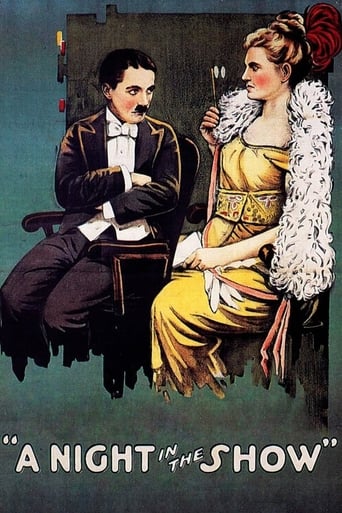
- Appeared in A Night in the Show (1915), a notable early comic short associated with Charlie Chaplin's vaudeville-inspired screen humor.
- Worked during the peak years of American silent slapstick, when short comedies were a dominant form of popular entertainment.
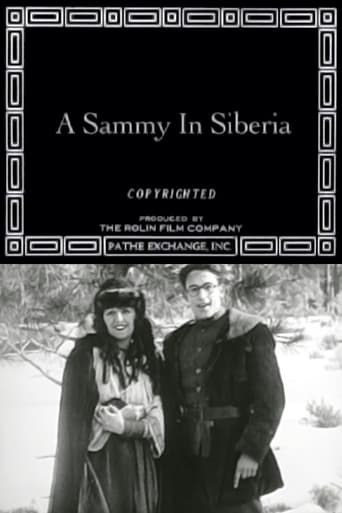
- Appeared in A Sammy in Siberia (1919), one of the better-known comedy shorts from the late silent era.
- Played roles in Hal Roach-era silent comedy productions, contributing to the studio's ensemble style.
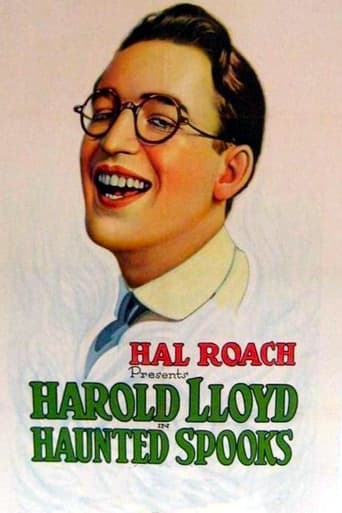
- Appeared in Haunted Spooks (1920), a widely seen silent comedy short associated with Harold Lloyd's screen persona.
- Established a filmography that, while not extensive, placed him among the dependable supporting players of early Hollywood comedy.
Best Known For
Iconic Roles
Must-See Films
Working Relationships
Worked Often With
Studios
Why They Matter
Impact on Culture
Dee Lampton's cultural impact lies less in stardom than in representation of the many skilled supporting actors who made silent comedy work. Silent slapstick depended on ensembles of reliable players who could react instantly, sustain visual gags, and give shape to chaotic comic situations, and Lampton was part of that essential workforce. His film appearances connect him to the development of the short comedy as a major mass-entertainment form in the 1910s and early 1920s. Though not a household name, he contributed to some of the era's most durable comic traditions and can still be found in filmographies studied by historians of early Hollywood.
Lasting Legacy
Lampton's legacy is that of a dependable silent-era character actor whose credited appearances help map the collaborative nature of early screen comedy. He represents the class of performers whose careers were brief, whose names were often secondary to those of stars and directors, yet whose work helped define the rhythm and texture of the films themselves. For modern researchers and preservationists, his film credits are valuable evidence of the talent pool surrounding major comic institutions such as Chaplin, Lloyd, and Hal Roach's production world. His continuing presence in databases and silent-film histories ensures that his contributions are not completely lost to time.
Who They Inspired
While Dee Lampton does not appear to have directly influenced later generations in the way major silent stars did, he participated in a performance tradition that shaped screen comedy for decades. The physical comic timing and ensemble responsiveness demanded of performers like him became foundational skills for later film comedians and supporting character actors. His work is part of the broader inheritance of silent slapstick that influenced talkie comedy, television character acting, and the structure of modern visual comedy.
Off Screen
Very little documented information survives about Dee Lampton's personal life, which is typical of many silent-era supporting actors whose careers were recorded mainly through production credits. There is no widely verified public record in the available reference sources of his marriages, children, or later-life activities. Because of the limited surviving biographical documentation, caution is warranted in making claims about his family background or post-film career. He appears in film history primarily as a working actor rather than as a celebrity whose private life was extensively covered by the press.
Education
No verified educational background is widely documented in available classic-cinema reference sources.
Did You Know?
- Dee Lampton's surviving screen identity is closely tied to silent comedy shorts rather than feature films.
- He is associated with A Night in the Show, one of the early Charlie Chaplin comedy shorts.
- He also appeared in A Sammy in Siberia, a title that keeps him within the late-1910s slapstick tradition.
- Haunted Spooks links him to the Harold Lloyd comedy orbit of the early 1920s.
- His career span in available filmographies is short, suggesting he may have been a working supporting actor rather than a long-term star.
- Like many silent-era performers, he is better documented by film credits than by personal biography.
- He is one of many early Hollywood actors whose legacy is preserved mainly by archival film records and reference books.
- His roles likely depended heavily on physical expression, a hallmark of silent screen acting.
Frequently Asked Questions
Who was Dee Lampton?
American silent-film with credits in this catalog. He worked during the 1915-1920 period and appeared in films associated with major silent-comedy traditions.
What films is Dee Lampton best known for?
Titles linked here include A Night in the Show (1915), A Sammy in Siberia (1919).
When was Dee Lampton born and when did he die?
Reliable public reference sources do not consistently provide verified birth and death dates for Dee Lampton. His basic biographical details remain incomplete, which is not unusual for supporting performers from the silent era.
What awards did Dee Lampton win?
No major awards or nominations are currently documented for Dee Lampton in standard classic-cinema reference sources. His significance comes from his film work and his place in early silent-comedy history rather than from formal honors.
What was Dee Lampton's acting style?
He appears to have been a broad silent-comedy character actor who relied on physical humor, expressive reaction shots, and ensemble timing. His work would have been shaped by the demands of slapstick, where visual clarity and comic precision were essential.
Why is Dee Lampton still remembered?
He is remembered by film historians and silent-cinema fans because he appears in several notable early comedy shorts. Even as a supporting player, he contributed to films that helped define the comic style of the silent era.