
Joseph H. Lewis
Director
Born: April 6, 1907 in Brooklyn, New York, USA Died: August 30, 2000 Active: 1937-1966
Films
2 films
About Joseph H. Lewis
American film director who rose from humble beginnings as a film editor to become distinctive visual stylists of Hollywood's Golden Age. Beginning his career in the 1930s, Lewis worked his way up through the studio system, initially directing low-budget B-movies and series films like the East Side Kids comedies. His breakthrough came in the 1940s when he developed his signature visual style, earning him the nickname 'Wagon Wheel Joe' for his innovative use of low-angle shots and distinctive compositions. Lewis reached his artistic zenith in the 1950s with a series of remarkable film noirs including 'Gun Crazy' (1950), 'The Big Combo' (1955), and 'The Underworld Story' (1950). These films showcased his mastery of visual storytelling, characterized by bold camera movements, deep focus photography, and atmospheric lighting that created intense psychological tension. After his feature film career wound down in the late 1950s, Lewis successfully transitioned to television, directing episodes of popular series like 'The Untouchables' and 'The Fugitive' throughout the 1960s. Though often overlooked during his lifetime, Lewis's work has been rediscovered by film scholars and critics who recognize him as a master craftsman who elevated B-movie material through his extraordinary visual artistry.
The Craft
Behind the Camera
Joseph H. Lewis was renowned for his visually dynamic and innovative directing style characterized by bold camera movements, unusual angles, and striking compositions. He frequently employed low-angle shots, deep focus photography, and long takes to create dramatic tension and psychological depth. Lewis had a particular talent for transforming modest budgets into visually impressive films through creative camera work and atmospheric lighting. His approach to film noir emphasized visual storytelling over dialogue, using shadows, reflections, and architectural elements to enhance the narrative. Lewis was also known for his fluid camera movements and willingness to experiment with unconventional techniques that pushed the boundaries of classical Hollywood filmmaking.
Milestones
- Directed the film noir masterpiece 'Gun Crazy' (1950)
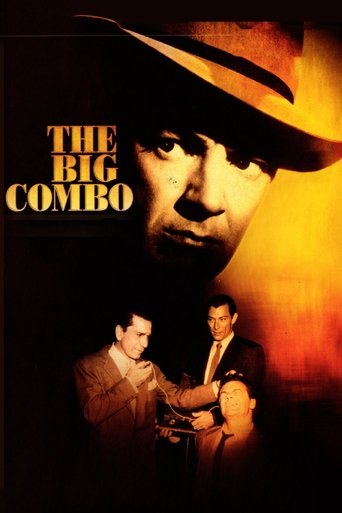
- Created the visually stunning 'The Big Combo' (1955)
- Pioneered innovative camera techniques that influenced future filmmakers
- Directed over 40 feature films across multiple genres
- Successfully transitioned to television directing in the 1960s
- Developed a distinctive visual style earning him the nickname 'Wagon Wheel Joe'
- Elevated B-movie material through artistic direction
Best Known For
Must-See Films
Accolades
Special Recognition
- Recognized by the French New Wave directors as a major influence
- Retrospectives at major film festivals including the Museum of Modern Art
- Cited by Martin Scorsese as an important influence on his work
Working Relationships
Worked Often With
Studios
Why They Matter
Impact on Culture
Joseph H. Lewis had a profound cultural impact on cinema, particularly in the film noir genre, where his visual innovations helped define the aesthetic of American crime cinema. His work was championed by the French critics of Cahiers du Cinéma, who recognized his artistic merit and included him among the American directors who influenced the French New Wave. Lewis's films, especially 'Gun Crazy,' became touchstones for discussions about violence in cinema and the psychological complexity of criminal characters. His distinctive visual style, characterized by bold compositions and dynamic camera work, demonstrated how artistic expression could flourish even within the constraints of B-movie production. The rediscovery of Lewis's work in the 1970s and 1980s by film scholars helped establish the critical appreciation of genre filmmakers and contributed to the reevaluation of Hollywood's 'invisible' craftsmen.
Lasting Legacy
Joseph H. Lewis's legacy endures as one of cinema's great visual stylists who elevated genre filmmaking through artistic innovation. His films are now studied in film schools worldwide as examples of creative direction within studio constraints. Lewis's influence can be seen in the work of countless directors who followed, particularly in their use of camera movement and composition to create psychological depth. The critical reevaluation of his career has helped establish the importance of B-movie directors in film history and demonstrated how artistic vision can transcend budgetary limitations. His masterpiece 'Gun Crazy' is regularly cited among the greatest American films, and 'The Big Combo' remains a textbook example of film noir visual style. Lewis's career serves as inspiration for filmmakers working in independent cinema, proving that creative vision and technical skill can create lasting art regardless of commercial constraints.
Who They Inspired
Joseph H. Lewis directly influenced the French New Wave directors, who praised his visual style and included him among the American auteurs they admired. Martin Scorsese has frequently cited Lewis as an important influence, particularly praising his use of camera movement and composition. Modern directors who work in crime and noir genres continue to draw inspiration from Lewis's visual techniques. His innovative approach to low-budget filmmaking has influenced independent filmmakers who seek to create artistic work within financial constraints. Film scholars and critics have used Lewis's career as a case study in how directors can develop distinctive visual styles while working within the studio system. His work has been analyzed in numerous film studies books and academic papers, cementing his place in cinema history as a master craftsman and visual innovator.
Off Screen
Joseph H. Lewis was known as a private individual who rarely discussed his personal life in public. He married his wife Mona in 1935, and they remained together until her death in 1995. The couple had one daughter, Judith. Lewis was described by colleagues as a quiet, focused professional who devoted himself entirely to his craft. Despite his significant contributions to cinema, he remained humble about his achievements and was often surprised by the critical acclaim his films received in later years. After retiring from directing, Lewis lived in Beverly Hills, California, where he occasionally gave interviews about his career and participated in film retrospectives.
Education
Self-taught filmmaker who learned through practical experience in the film industry, beginning as an assistant and editor in the 1920s
Family
- Mona Lewis (1935-1995)
Did You Know?
- Earned the nickname 'Wagon Wheel Joe' for his distinctive low-angle shots that often included wagon wheel-like compositions
- Directed over 40 feature films but never received an Academy Award nomination
- 'Gun Crazy' was selected for preservation in the National Film Registry in 1998
- Started his film career as a film editor in the 1920s
- Often worked with minimal budgets but maximized visual impact through creative camera work
- French New Wave directors considered him an 'auteur' before the term was widely used in America
- His films were rediscovered and championed by critics in the 1970s, elevating his reputation
- Directed episodes of 'The Twilight Zone' and 'Alfred Hitchcock Presents' for television
- Known for completing films under budget and ahead of schedule
- His visual style influenced the look of many modern crime films and television shows
In Their Own Words
I was always trying to make pictures that looked better than they had any right to look, considering the money we had
A picture should move, and if it doesn't move, it's dead
I never thought of myself as an artist, I was just a filmmaker trying to do the best job I could
The camera is your brush, and the film is your canvas - you have to paint with light
In B pictures, you had to be inventive. You couldn't throw money at problems, you had to think your way through them
Frequently Asked Questions
Who was Joseph H. Lewis?
American on YTB.my.' He earned the nickname 'Wagon Wheel Joe' for his distinctive visual style and was particularly admired for his ability to create artistic films within B-movie budgets.
What films is Joseph H. Lewis best known for?
Titles linked here include Gun Crazy (1950), The Big Combo (1955).
When was Joseph H. Lewis born and when did he die?
Born April 6, 1907; died August 30, 2000.
What awards did Joseph H. Lewis win?
Despite his significant contributions to cinema, Joseph H. Lewis never received major industry awards during his lifetime. However, his film 'Gun Crazy' was selected for preservation in the National Film Registry in 1998, and he has been posthumously recognized by film scholars and critics as an important American director.
What was Joseph H. Lewis's directing style?
Lewis was known for his visually dynamic directing style featuring bold camera movements, unusual angles, deep focus photography, and striking compositions. He frequently used low-angle shots and innovative lighting to create psychological tension, elevating B-movie material through artistic visual storytelling.