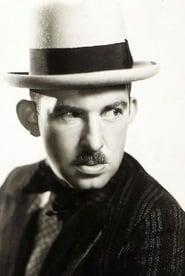
Vince Barnett
Actor
Born: July 4, 1902 in Pittsburgh, Pennsylvania, USA Died: August 10, 1974 Active: 1930-1974 Birth Name: Vincent Barnett
Films
2 films
About Vince Barnett
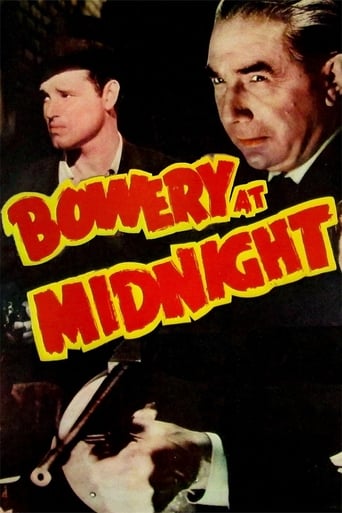
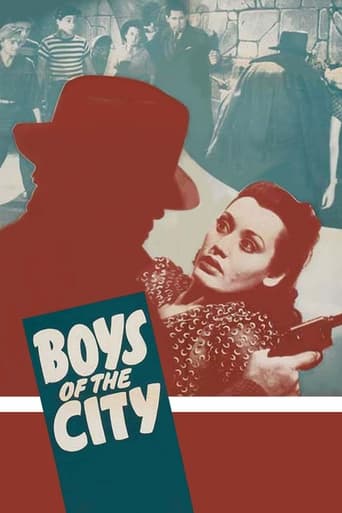
Prolific American character actor: over four decades in Hollywood's Golden Age. Born in Pittsburgh, Pennsylvania, he began his entertainment career as a stage performer before transitioning to films in the early 1930s. Barnett quickly established himself as a distinctive presence in cinema with his signature nervous demeanor, high-pitched voice, and flustered mannerisms that made him instantly recognizable to audiences. Vince appears in more than 200 films, often playing bartenders, waiters, or comic relief characters in gangster films and dramas. His breakthrough role came in Howard Hawks' 'Scarface' (1932), where he played the memorable bartender Angelo. Throughout the 1930s and 1940s, he became a reliable character actor, working with major studios and appearing in numerous films including the East Side Kids series such as 'Boys of the City' (1940) and 'Bowery at Midnight' (1942). Despite often being typecast, Barnett's unique comedic timing and distinctive performance style made him a beloved figure among classic cinema enthusiasts. His career continued through the 1950s and 1960s with appearances in television and film until his death in 1974.
The Craft
On Screen
Vince Barnett specialized in portraying nervous, flustered characters with a distinctive high-pitched voice and rapid speech pattern. His acting style was characterized by physical comedy, including trembling hands, worried expressions, and a perpetually anxious demeanor that made him perfect for comic relief roles. He often played characters who were easily intimidated but somehow endearing, using his unique vocal delivery and mannerisms to create memorable performances even in small roles. Barnett's ability to convey nervousness and panic through both voice and body language made him a go-to actor for roles requiring comedic tension or as a foil to more serious protagonists.
Milestones
- Breakthrough role as Angelo in 'Scarface' (1932)
- Appeared in over 200 films during his career
- Frequent collaborator with director Howard Hawks
- Became a recognizable face in the East Side Kids film series
- Transitioned successfully to television in the 1950s
- Known for his distinctive nervous characterizations
- Worked with all major Hollywood studios
Best Known For
Iconic Roles
Must-See Films
Working Relationships
Worked Often With
Studios
Why They Matter
Impact on Culture
Vince Barnett made a significant impact on classic cinema as one of Hollywood's most recognizable character actors. His distinctive nervous persona became an archetype in American film, influencing how comic relief characters were portrayed in gangster films and dramas. Barnett's work in the 1930s and 1940s helped establish the template for the nervous sidekick, a character type that would appear in countless films and television shows. His performances in films like 'Scarface' demonstrated how comic relief could enhance rather than detract from serious dramatic narratives, contributing to the development of more sophisticated film storytelling techniques. His presence in the East Side Kids series also made him a familiar face to generations of young filmgoers.
Lasting Legacy
Vince Barnett's legacy endures through his extensive filmography and his influence on character acting in Hollywood. He represents the era of reliable studio character actors who could instantly elevate any scene with their presence. His distinctive style continues to be studied by actors and filmmakers interested in the art of character acting and comic timing. Barnett's work serves as a time capsule of Hollywood's Golden Age, preserving the techniques and sensibilities of that era for future generations. His more than 200 film appearances make him.
Who They Inspired
Barnett influenced subsequent generations of character actors who specialized in nervous or comedic roles. His technique of using physical mannerisms and vocal delivery to create memorable characters became a reference point for actors in similar roles. His ability to maintain a consistent persona while adapting to different genres demonstrated how character actors could build lasting careers in Hollywood. The nervous bartender archetype he helped popularize continues to appear in films and television, showing the lasting influence of his distinctive performance style.
Off Screen
Vince Barnett married actress Lillian Haggerty, with whom he shared his life until his death. The couple had no children together. Barnett was known in Hollywood circles as a reliable professional who brought his unique comedic talents to every role, regardless of size. He maintained a steady career through the changing landscape of Hollywood, adapting from the studio system to independent films and eventually television. Despite his prolific output, he remained relatively private about his personal life, focusing more on his craft than on celebrity status.
Education
Limited information available about his formal education, but he received extensive training in stage performance before entering films
Family
- Lillian Haggerty (1935-1974)
Did You Know?
- Born on Independence Day, July 4, 1902
- His father was a prominent Pittsburgh physician who wanted him to pursue medicine
- Before acting, he worked as a newspaper reporter
- His breakthrough role in 'Scarface' was originally a small part but was expanded due to his performance
- He appeared in three films with 'Bowery' in the title: 'Bowery at Midnight', 'Bowery Blitzkrieg', and 'Bowery Bombshell'
- Despite his nervous on-screen persona, colleagues described him as calm and professional off-screen
- He was one of the few actors to successfully transition from silent films to talkies to television
- His distinctive voice made him a popular choice for radio work in addition to films
- He often played characters named 'Angelo' or similar variations
- His final film appearance was in 'The Outfit' (1973), just a year before his death
In Their Own Words
(As Angelo in Scarface) 'You can't fool me, mister. I know a gangster when I see one!'
I never had to learn how to act nervous. I just had to remember how I felt on my first day in Hollywood.
Every bartender in the movies for twenty years was doing an imitation of me, whether they knew it or not.
Howard Hawks gave me my big break, but I gave him a character he couldn't write out of the script.
Frequently Asked Questions
Who was Vince Barnett?
Prolific American character with credits in this catalog. He specialized in playing bartenders, waiters, and comic relief characters, particularly in gangster films and the East Side Kids series.
What films is Vince Barnett best known for?
Titles linked here include Scarface (1932), Boys of the City (1940).
When was Vince Barnett born and when did he die?
Born July 4, 1902; died August 10, 1974.
What awards did Vince Barnett win?
Despite his prolific career and memorable performances, Vince Barnett did not receive major industry awards or Academy Award nominations. His recognition came primarily from audiences and his reputation as a reliable character actor among his Hollywood peers.
What was Vince Barnett's acting style?
Barnett's acting style was characterized by his distinctive nervous persona, featuring a high-pitched voice, rapid speech, trembling hands, and perpetually worried expressions. He specialized in comic relief roles, using physical comedy and unique vocal delivery to create memorable, anxious characters who provided tension-breaking humor in dramatic films.