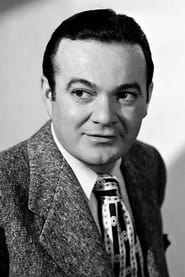
Leo Gorcey
Actor
Born: June 3, 1917 in New York City, New York, USA Died: June 2, 1969 Active: 1935-1969 Birth Name: Leo Bernard Gorcey
Films
2 films
About Leo Gorcey
Leo Bernard Gorcey — American actor who became recognizable faces of Hollywood's youth comedy films during the Golden Age. Born into a show business family, Gorcey began his career on stage before transitioning to film with the original Dead End Kids in 1937. His breakthrough came with his portrayal of the tough-talking, quick-witted leader of various street gang groups, including the Dead End Kids, East Side Kids, and most famously, the Bowery Boys. Gorcey's distinctive Brooklyn accent, malapropisms, and comedic timing made him a box office draw throughout the 1940s and early 1950s. After a falling out with studio executives over salary disputes, Gorcey left the Bowery Boys series in 1956, effectively ending his mainstream film career. He struggled with alcoholism in his later years but made occasional television appearances before his death in 1969 at age 51. Despite his personal struggles, Gorcey on American comedy cinema, influencing generations of character actors and comedians.
The Craft
On Screen
Gorcey was known for his fast-talking, Brooklyn-accented delivery and mastery of malapropisms. His comedic style combined street-smart toughness with underlying vulnerability, creating a unique blend of humor and pathos. He specialized in playing the quick-witted, often pompous but ultimately good-hearted leader of street gangs. Gorcey's physical comedy was characterized by exaggerated gestures and facial expressions, while his verbal comedy relied on mispronunciations and creative misuse of words. His performances were consistently energetic and spontaneous, giving his characters an authentic, improvisational quality that resonated with audiences.
Milestones
- Originated the role of Slip Mahoney in the Dead End Kids
- Starred in 48 Bowery Boys films
- Transitioned from stage actor to film star
- Became one of the highest-paid supporting actors of the 1940s
- Left the Bowery Boys series in 1956 after salary dispute
Best Known For
Iconic Roles
Must-See Films
Accolades
Special Recognition
- Hollywood Walk of Fame star (located at 6283 Hollywood Boulevard)
Working Relationships
Worked Often With
Studios
Why They Matter
Impact on Culture
Leo Gorcey's impact on American popular culture extends far beyond his film career. As the face of the Bowery Boys franchise, he helped create. His portrayal of the street-smart, working-class youth resonated with Depression-era and post-war audiences, providing comic relief while subtly addressing social issues of urban poverty and juvenile delinquency. Gorcey's distinctive speech patterns and malapropisms entered the American lexicon, influencing comedians and writers for decades. His characters represented a uniquely American archetype - the streetwise kid with a heart of gold - that would be replicated in countless films and television shows. The Bowery Boys films he headlined became Saturday morning television staples in the 1960s and 1970s, introducing new generations to his work and cementing his place in pop culture history.
Lasting Legacy
Leo Gorcey's legacy as a comedy actor remains significant in film history. He helped establish the youth comedy genre as a viable commercial force, paving the way for later teen comedy franchises. His innovative use of malapropisms and distinctive delivery influenced generations of comedians, from Jerry Lewis to Adam Sandler. The Bowery Boys series he led became one of the longest-running film franchises in Hollywood history, producing 48 films between 1946 and 1958. Gorcey's work has been preserved and celebrated by film archives and classic movie channels, ensuring that new generations can discover his unique comedic talent. His star on the Hollywood Walk of Fame serves as a permanent tribute to his contributions to American cinema. Film historians continue to study his work as an example of how ethnic humor and working-class representation evolved in Hollywood during the Golden Age.
Who They Inspired
Gorcey's influence on comedy and acting extends beyond his immediate contemporaries. His rapid-fire delivery and mastery of malapropisms influenced comedians like Jerry Lewis and Mel Brooks, who incorporated similar verbal humor into their work. The character archetype he perfected - the fast-talking street tough with a heart of gold - can be seen in later television shows from 'Welcome Back, Kotter' to 'The Simpsons.' His success in youth-oriented films helped demonstrate the commercial viability of teenage audiences, influencing how Hollywood marketed films to younger demographics. Many character actors who specialized in ethnic comedy roles, particularly those playing Italian-American or Irish-American characters, drew inspiration from Gorcey's authentic yet exaggerated performances. His work in low-budget, high-profit films also provided a template for independent filmmakers seeking commercial success without major studio backing.
Off Screen
Gorcey was married twice and had three children. His first marriage to Evalene Banks lasted from 1939 to 1944. His second marriage to Amelita Ward in 1949 lasted until his death in 1969. Gorcey struggled with alcoholism in his later years, which contributed to health problems and career difficulties. He was known for his volatile temper both on and off set, which led to conflicts with co-stars and studio executives. Despite his tough-guy screen persona, friends described him as intelligent and well-read off-screen. His son Leo Gorcey Jr. Also pursued an acting career briefly.
Education
Attended local New York City schools, left formal education early to pursue acting career
Family
- Evalene Banks (1939-1944)
- Amelita Ward (1949-1969)
Did You Know?
- His father Bernard Gorcey played 'Louie Dumbrowski,' the sweet shop owner, in many Bowery Boys films
- He was the highest-paid member of the Bowery Boys, earning $50,000 per film at his peak
- Gorcey's trademark malapropisms were often improvised on set
- He was originally considered for the role of 'Mickey' in the 1939 film 'The Wizard of Oz'
- His brother David Gorcey also appeared in many Bowery Boys films as 'Chuck'
- Gorcey wrote an autobiography titled 'An Original Dead End Kid' published in 1977
- He was a talented amateur boxer before focusing on acting
- Gorcey's distinctive scar on his left cheek was from a childhood accident
- He appeared in over 80 films during his career
- His falling out with the Bowery Boys producers was over a $500 salary dispute
- Gorcey — classically trained Shakespearean actor early in his career
- He once turned down a role in 'The Godfather' due to health issues
In Their Own Words
"I'm a victim of circumstantial evidence!" - Frequently delivered line as Slip Mahoney
"You're a disgrace to the human race!" - Common insult delivered to Huntz Hall's character
"I've got a mind like a steel trap - rusty and illegal in most states" - Classic malapropism
"Don't get technical with me, I'm in enough trouble already" - Typical response to complex explanations
"I'm not only the president of this organization, I'm also a client!" - Paraphrased by comedians as tribute to his style
Frequently Asked Questions
Who was Leo Gorcey?
American with credits in this catalog. He was.
What films is Leo Gorcey best known for?
Titles linked here include Dead End (1937), Angels with Dirty Faces (1938).
When was Leo Gorcey born and when did he die?
Born June 3, 1917; died June 2, 1969.
What awards did Leo Gorcey win?
While Leo Gorcey never received major acting awards during his lifetime, he was honored with a star on the Hollywood Walk of Fame for his contributions to film. His commercial success and cultural impact were recognized through the enduring popularity of the Bowery Boys films.
What was Leo Gorcey's acting style?
Gorcey was known for his rapid-fire Brooklyn-accented delivery, creative malapropisms, and energetic physical comedy. His style combined street-smart toughness with underlying vulnerability, creating memorable characters that were both comically inept and endearingly heroic.