Dorothy Short
Actor
Born: June 29, 1915 in Philadelphia, Pennsylvania, USA Died: June 4, 1963 Active: 1936-1942 Birth Name: Dorothy LaVerne Short
Films
2 films
About Dorothy Short
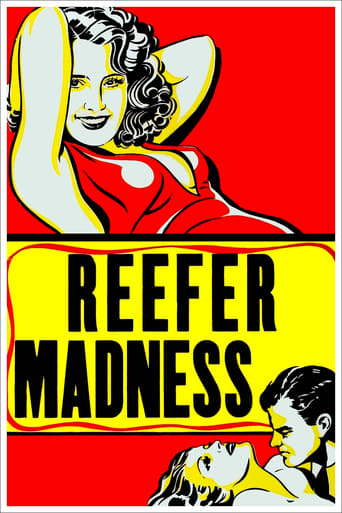
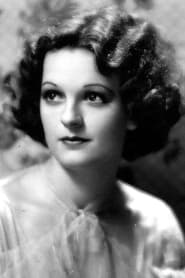
American actress who found her niche in Hollywood during the late 1930s and early 1940s, primarily appearing in low-budget productions and exploitation films. Born in Philadelphia in 1915, she moved to Los Angeles to pursue an acting career and quickly found work in the thriving B-movie circuit. Her most enduring legacy comes from her role as Mary Lane in the notorious exploitation film 'Tell Your Children' (1936), which was later retitled 'Reefer Madness' and became a cult classic decades later. Throughout her brief career, she appeared in approximately 20 films, often playing wholesome, innocent characters that contrasted with the controversial themes of the movies she was in. She married fellow actor Dave O'Brien in 1936, who also starred in 'Reefer Madness,' and the couple frequently worked together in various productions. Short retired from acting in the early 1940s to focus on her family life, though she occasionally made uncredited appearances in her husband's later projects. Her career, though relatively short, on exploitation cinema history through her participation in infamous films ever made.
The Craft
On Screen
Dorothy Short specialized in portraying innocent, wholesome young women, often serving as moral centers in otherwise controversial films. Her acting style was typical of the period's B-movie actresses - earnest, straightforward, and somewhat theatrical. She excelled at conveying wide-eyed innocence and moral virtue, which made her perfect casting for the 'good girl' roles in exploitation films. Her performances were characterized by a sincere, almost naive quality that contrasted effectively with the sensationalistic themes of her films.
Milestones
- Starred in 'Tell Your Children' (1936), later retitled 'Reefer Madness'
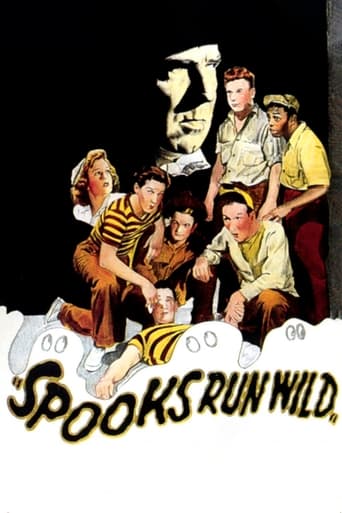
- Appeared in 'Spooks Run Wild' (1941) with the East Side Kids
- Frequent collaborator with husband Dave O'Brien in exploitation films
- Worked extensively with PRC (Producers Releasing Corporation)
- Retired from acting at the height of her brief career to focus on family
Best Known For
Iconic Roles
Must-See Films
Accolades
Special Recognition
- Cult film status through her role in 'Reefer Madness'
Working Relationships
Worked Often With
Studios
Why They Matter
Impact on Culture
Dorothy Short's cultural impact stems primarily from her unwitting participation in what would become one of cinema's most infamous exploitation films. 'Reefer Madness' was initially a modest failure but was rediscovered in the 1970s and became a midnight movie phenomenon, with Short's performance as the innocent Mary Lane becoming iconic among cult film enthusiasts. Her portrayal of the virtuous sister who tries to save her brother from marijuana addiction represents the moralistic propaganda style of 1930s exploitation cinema. The film's enduring popularity has made Short's face recognizable to generations of film buffs who appreciate the camp value and historical significance of exploitation cinema.
Lasting Legacy
Dorothy Short's legacy is intrinsically tied to the cult status of 'Reefer Madness,' a film that has transcended its original purpose as anti-marijuana propaganda to become a cultural touchstone. While she never achieved mainstream stardom, her performance has been preserved in film history through the continued popularity of the movie. Her work represents the type of earnest, sincere acting that characterized B-movie productions of the era, and her career serves as a window into the world of exploitation filmmaking that operated alongside mainstream Hollywood productions. Today, she is remembered primarily by cult film enthusiasts and film historians who study the evolution of exploitation cinema.
Who They Inspired
Dorothy Short's influence on cinema is indirect but significant through her participation in a film that has inspired countless parodies, references, and homages. 'Reefer Madness' has been referenced in everything from 'The Simpsons' to various musical adaptations, keeping Short's performance alive in popular culture decades after her death. Her portrayal of the innocent heroine in exploitation cinema helped establish character archetypes that would be referenced and subverted in later films. While she didn't directly mentor other actors, her work continues to be studied by those interested in the history of exploitation films and propaganda cinema.
Off Screen
Dorothy Short married actor Dave O'Brien in 1936, and their marriage lasted until her death in 1963. O'Brien was a prolific character actor who appeared in many of the same films as Short, including 'Reefer Madness' where he played the lead role. The couple had one child together and maintained a relatively private life away from the Hollywood spotlight. Short stepped back from her acting career in the early 1940s to focus on being a wife and mother, though she occasionally made uncredited appearances in her husband's later work. Her death in 1963 at age 47 came six years before her husband's passing in 1969.
Education
Educational background not publicly documented
Family
- Dave O'Brien (1936-1963)
Did You Know?
- 'Tell Your Children' was retitled 'Reefer Madness' in the 1970s when it was rediscovered and became a cult classic
- Her husband Dave O'Brien played the lead role of Bill Harper in 'Reefer Madness'
- The film was originally financed by a church group as an anti-marijuana propaganda piece
- Short retired from acting at age 27, having worked in films for only about 6 years
- Her role in 'Reefer Madness' was without on-screen billing in some releases of the film
- She appeared in several films with the East Side Kids/Bowery Boys comedy team
- Many of her films were produced by PRC, one of the smaller Hollywood studios known for low-budget productions
- Her performance in 'Reefer Madness' has been parodied in various stage musical adaptations of the film
- She worked with director Dwain Esper, who was known for his exploitation and sex hygiene films
- Despite her brief career, she appeared in films spanning multiple genres including horror, comedy, and drama
In Their Own Words
"Bill, don't you see what this terrible weed has done to you?" - as Mary Lane in 'Reefer Madness'
"You must fight against this evil influence!" - as Mary Lane in 'Reefer Madness'
Frequently Asked Questions
Who was Dorothy Short?
American actress active in the late 1930s and early 1940s, best known for her role as Mary Lane in the exploitation film 'Tell Your Children' (later retitled 'Reefer Madness'). She appeared in approximately 20 films during her brief career, often playing innocent, wholesome characters in B-movies and exploitation productions.
What films is Dorothy Short best known for?
Titles linked here include Tell Your Children (Reefer Madness) (1936), Spooks Run Wild (1941).
When was Dorothy Short born and when did she die?
Born June 29, 1915; died June 4, 1963.
What awards did Dorothy Short win?
Dorothy Short did not receive any major awards during her career. Her recognition has come posthumously through the cult status of 'Reefer Madness,' which has made her performance memorable to film enthusiasts and historians.
What was Dorothy Short's acting style?
Dorothy Short specialized in portraying innocent, virtuous young women with an earnest and straightforward acting style typical of B-movie actresses of her era. Her performances were characterized by sincerity and a wholesome quality that made her ideal for moral center roles in exploitation films.