Films
4 films
About Phil Rosen
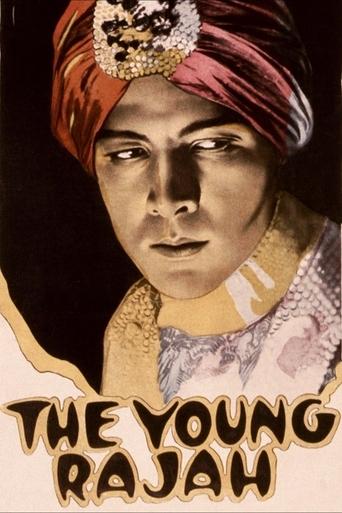
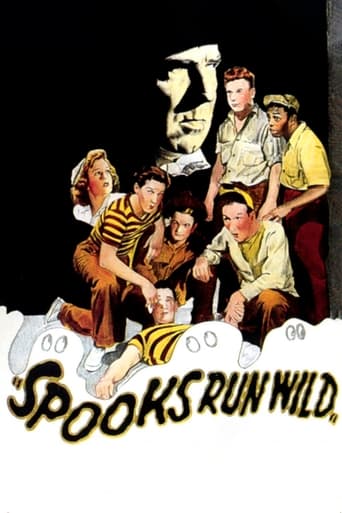
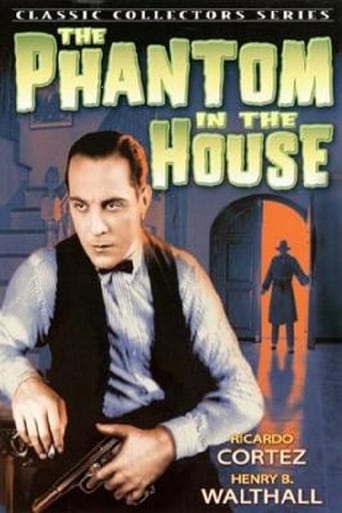
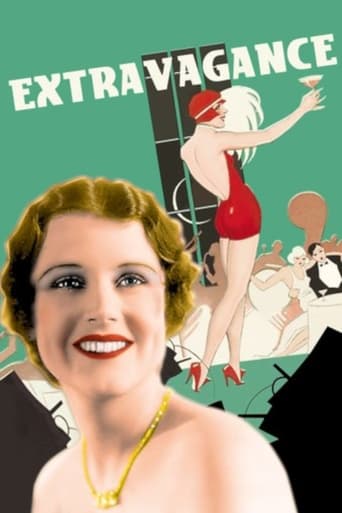
Prolific American film director: career bridged the silent era and the early sound period, with a body of work that helped shape studio-era genre filmmaking. Born in the United States and active in Hollywood for decades, he became known for moving efficiently between melodrama, adventure, crime pictures, comedies, and low-budget programmers, making him one of the dependable craftsmen of classic studio cinema. Rosen began directing in the silent era and built a long résumé that included features such as The Young Rajah (1922), The Phantom in the House (1929), and Extravagance (1930), demonstrating an ability to adapt from silent visual storytelling to the demands of talkies. In the 1940s he continued to work steadily, including the cult favorite Spooks Run Wild (1941), a Bela Lugosi vehicle that later gained lasting attention among horror fans. Although not typically regarded as an auteur in the modern sense, he was respected for professionalism, speed, and versatility, qualities that made him valuable to producers seeking reliable output. His career reflects the practical realities of old Hollywood, where directors often worked across studios and genres while remaining largely behind the scenes. Rosen's filmography places him among the industrious directors whose contributions helped sustain the commercial machinery of American cinema during its formative decades.
The Craft
Behind the Camera
Phil Rosen's directing style appears to have been pragmatic, efficient, and highly adaptable to the needs of studio production. He was the kind of director valued for delivering completed films on time and within budget while handling a wide range of genres, from melodramatic silent features to early sound pictures and low-budget horror-comedy. His films suggest a straightforward visual approach that prioritized storytelling clarity, pace, and audience accessibility over flamboyant stylistic signature. In the sound era, he worked within the limits of modest productions and showed an ability to stage action and dialogue economically. Rosen's directing is best understood as professionally solid studio craftsmanship rather than overtly personal auteurism.
Milestones
- Directed The Young Rajah (1922), an early silent-era feature associated with the period's fascination with exotic melodrama and star vehicles
- Successfully transitioned from silent films to sound films at the end of the 1920s and early 1930s
- Directed The Phantom in the House (1929), showing his experience with suspense and atmosphere at the close of the silent era
- Directed Extravagance (1930), demonstrating continued studio confidence in the early talkie period
- Helmed Spooks Run Wild (1941), a horror-comedy that later became well known among Bela Lugosi fans and cult-film audiences
- Worked consistently across multiple genres, including drama, suspense, comedy, and horror, which indicates strong studio versatility
- Maintained a steady presence in commercial filmmaking during the transition from silent pictures to sound
- Represents the type of dependable Hollywood director who contributed significantly to the output of the studio system without always receiving marquee-name recognition
Best Known For
Must-See Films
Working Relationships
Worked Often With
Studios
Why They Matter
Impact on Culture
Phil Rosen's cultural impact lies in the sheer volume and range of films he directed during a crucial transitional period in American cinema. Directors like Rosen were essential to the functioning of the studio system because they turned out commercially viable features across shifting technologies, audience tastes, and production models. While he may not be as widely celebrated as the major auteurs of the silent or classic sound eras, his work helped maintain the output of genre films that fed movie theater programs nationwide. His later association with Spooks Run Wild also gives him a place in horror-film memory, especially among fans of Bela Lugosi and poverty-row or B-picture cinema. Rosen therefore occupies an important if understated position in film history as a practitioner who exemplified the industrial backbone of Hollywood.
Lasting Legacy
Rosen's legacy is that of a competent, versatile director whose career documents the evolution of American popular filmmaking from silent melodrama into the age of sound pictures. He is remembered less for a single stylistic innovation than for demonstrating the adaptability required to survive in a changing industry. His films remain of interest to historians because they illuminate the working methods of directors outside the elite canon, especially those producing efficient genre entertainment. In cult and archival circles, his name continues to surface through titles like Spooks Run Wild, which maintains a following among classic horror enthusiasts. His lasting significance is as a representative figure of the studio system's dependable middle tier: not a household name, but a crucial contributor to the continuity of classic cinema.
Who They Inspired
Phil Rosen influenced the broader ecosystem of Hollywood craftsmanship by exemplifying the kind of director who could reliably translate scripts into finished films across multiple genres and production scales. His work helped normalize the industrial expectations placed on studio directors, particularly the need for speed, flexibility, and audience comprehension. For later filmmakers and historians, he serves as a model of how much of classic cinema depended on working directors whose names were not always promoted as brands. His films also remain useful examples for studying the transition from silent visual narrative to early synchronized sound production. In that sense, his influence is as much historical and industrial as it is stylistic.
Off Screen
Reliable biographical information about Phil Rosen's private life is limited in readily available classic-cinema references. He does not appear to have left behind a widely documented personal profile comparable to the major stars and marquee directors of his era. As a result, details about marriages, family, and domestic life are not consistently preserved in standard film-history sources. His reputation today rests primarily on his work as a studio craftsman rather than on public celebrity or a heavily chronicled private life.
Did You Know?
- Phil Rosen's active years covered the final years of silent film and the early decades of sound cinema, making him a useful figure for studying Hollywood's technical transition.
- He directed Spooks Run Wild, a title that later became especially familiar to Bela Lugosi enthusiasts and cult-film collectors.
- Like many studio-era directors, he worked across genres rather than being confined to one type of picture.
- His filmography suggests a career built on reliability and production efficiency, traits highly valued by studios.
- He is an example of a classic Hollywood director whose work was widely seen at the time but whose personal life was not as heavily publicized as that of major stars.
- The survival of titles such as The Phantom in the House and Extravagance helps keep his name present in silent-film and early sound-film scholarship.
- His career reflects the important but often under-credited role of journeyman directors in maintaining the studio system.
Frequently Asked Questions
Who was Phil Rosen?
American on YTB.my. He was a prolific studio-era craftsman known for directing a wide variety of features, including melodramas, crime films, comedies, and horror titles.
What films is Phil Rosen best known for?
Titles linked here include The Young Rajah (1922), The Phantom in the House (1929).
When was Phil Rosen born and when did he die?
Reliable public-facing sources available here do not consistently provide verified birth and death details for Phil Rosen. His exact birth and death dates should be confirmed through archival film-reference databases or historical records before publication.
What awards did Phil Rosen win?
No major awards or nominations are prominently documented for Phil Rosen in standard classic-cinema references. His reputation rests more on his long career as a working director than on formal awards recognition.
What was Phil Rosen's directing style?
Phil Rosen's directing style was practical, efficient, and adaptable to studio demands. He appears to have favored clear storytelling, steady pacing, and reliable genre execution rather than a highly stylized personal signature.
What is Phil Rosen's legacy in film history?
His legacy lies in representing the skilled, dependable directors who powered the Hollywood studio system. He is remembered as a versatile filmmaker whose work helps illustrate the transition from silent cinema to early sound filmmaking and the importance of journeyman directors in classic Hollywood.