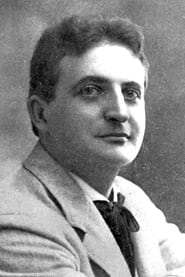
Arthur Donaldson
Actor
Born: December 10, 1866 in San Francisco, California, United States Died: April 28, 1945 Active: 1911-1929
Films
4 films

About Arthur Donaldson
Character actor of the silent film era: nearly two decades, from the early days of cinema in 1911 through the transition to sound in the late 1920s. Beginning as a stage actor in the late 19th century, Donaldson successfully transitioned to the new medium of film, bringing with him the theatrical gravitas that made him a natural for authoritative roles. Arthur appears in over 100 films during his career, working with directors and establishing himself as a reliable character actor specializing in businessmen, judges, politicians, and father figures. His most notable film appearance was in D.W. Griffith's historical epic 'America' (1924), where his dignified screen presence added authenticity to the production. Donaldson demonstrated remarkable adaptability throughout his career, evolving his acting style to suit the changing demands of cinema as it developed from simple one-reelers to complex feature films. Though he made brief appearances in early sound films, Donaldson largely retired from acting as the industry fully transitioned to talkies, leaving behind a legacy of solid character work that helped establish the foundation for film acting. His marriage to fellow actress Maude Turner Gordon created one of Hollywood's enduring theatrical partnerships, with both actors contributing significantly to early American cinema.
The Craft
On Screen
Arthur Donaldson was known for his dignified, authoritative presence on screen, bringing theatrical gravitas to his character roles. His acting style was rooted in his extensive stage experience, characterized by clear diction, deliberate movements, and a commanding screen presence that made him ideal for playing authority figures. Donaldson adapted his theatrical techniques for the camera, developing a more subtle approach than many stage actors of his generation, though he maintained the dignified bearing that became his trademark. He specialized in portraying businessmen, judges, politicians, and paternal figures, bringing authenticity and depth to these supporting roles. His ability to convey authority and wisdom through subtle expressions and gestures made him a valuable supporting actor in ensemble casts throughout the silent era.
Milestones
- Stage debut in the 1880s
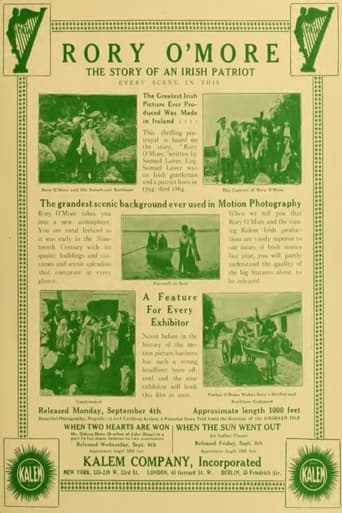
- Film debut in Rory O'More (1911)
- Key role in D.W. Griffith's America (1924)
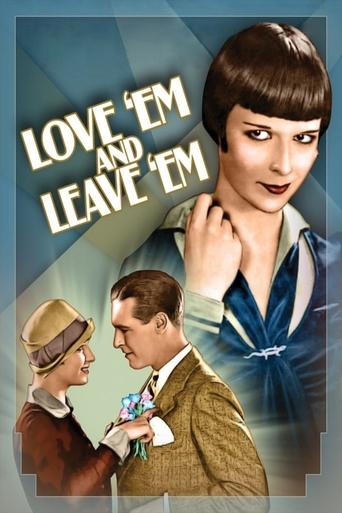
- Appearance in Love 'Em and Leave 'Em (1926)
- Successful transition from stage to film acting
- Marriage to actress Maude Turner Gordon (1905-1945)
Best Known For
Iconic Roles
Must-See Films
Accolades
Special Recognition
- Pioneer of American Silent Cinema
- Contributor to early Hollywood character acting tradition
Working Relationships
Worked Often With
Studios
Why They Matter
Impact on Culture
Arthur Donaldson represented the crucial bridge between 19th-century theatrical tradition and 20th-century cinema, helping to establish the conventions of character acting in American film. His successful transition from stage to screen demonstrated how theatrical techniques could be adapted for the new medium of cinema, influencing subsequent generations of character actors. As a reliable supporting player in numerous silent films, Donaldson contributed to the development of the ensemble cast system that would become standard in Hollywood filmmaking. His dignified portrayals of authority figures helped create archetypes that would persist throughout film history, from the stern businessman to the wise patriarch. Donaldson's active years covered the entire silent era, making him a living repository of cinematic knowledge and techniques that evolved dramatically during his working years. His marriage to fellow actress Maude Turner Gordon also represented the growing professionalism of the film industry, where lasting personal and professional partnerships became possible.
Lasting Legacy
Arthur Donaldson's legacy lies in his contribution to establishing the foundation of character acting in American cinema, particularly his work in creating believable authority figures during the silent era. Though not a star in the traditional sense, his consistent, professional performances in over 100 films helped legitimize cinema as an art form worthy of serious dramatic actors. His successful adaptation from stage to screen provided a model for other theatrical actors making the same transition during cinema's formative years. Donaldson's work with directors like D.W. Griffith placed him at the forefront of cinematic innovation, even as he played supporting roles. His long-lasting marriage to fellow actress Maude Turner Gordon also left a legacy of professionalism and stability in an industry often characterized by turmoil. Today, film historians recognize Donaldson as representative of the skilled character actors who formed the backbone of silent cinema, providing the essential supporting performances that elevated films from mere spectacles to dramatic art.
Who They Inspired
Arthur Donaldson influenced subsequent generations of character actors through his demonstrated ability to transition successfully from stage to screen while maintaining artistic integrity. His dignified approach to playing authority figures established a template for how such roles should be portrayed in cinema, emphasizing subtlety over the broad gestures common in early film acting. Younger actors who worked with him learned valuable lessons about adapting theatrical techniques for the camera, a crucial skill during the transition from stage to film dominance. Donaldson's professionalism and longevity in the industry set an example for character actors who sought sustainable careers without achieving star status. His work in ensemble casts helped establish the importance of supporting performances in creating cohesive, effective films, influencing how directors would approach casting in subsequent decades. While not widely remembered by name today, Donaldson's influence persists in the continuing tradition of skilled character actors who form the foundation of quality filmmaking.
Off Screen
Arthur Donaldson married actress Maude Turner Gordon in 1905, and their marriage lasted forty years until his death in 1945. The couple represented one of Hollywood's early theatrical partnerships, with both actors maintaining active careers during the silent era. Donaldson was known as a private individual who avoided the scandal sheets that plagued many of his contemporaries, focusing instead on his craft and family life. He transitioned successfully from stage to film while maintaining his marriage, which was uncommon in an era when Hollywood relationships were often volatile. The couple had no children, but their professional collaboration and personal devotion made them respected figures in the early Hollywood community. Donaldson spent his retirement years in Los Angeles, remaining connected to the film community through his wife's continued acting work.
Education
Stage acting training in the late 19th century, likely through theatrical apprenticeships and repertory companies
Family
- Maude Turner Gordon (1905-1945)
Did You Know?
- Began his career as a stage actor in the 1880s before transitioning to film
- Appeared in over 100 films during his silent era career
- Married fellow actress Maude Turner Gordon in 1905, a marriage that lasted 40 years until his death
- Worked with director D.W. Griffith on America (1924)
- Specialized in playing authority figures such as businessmen, judges, and politicians
- Made a brief attempt at sound films but largely retired as the industry transitioned to talkies
- His active years covered the entire silent era, from early one-reelers to complex feature films
- Represented the generation of actors who helped establish film as a legitimate dramatic medium
- Avoided the scandal and controversy that plagued many of his Hollywood contemporaries
- Maintained his stage-trained dignity and presence throughout his film career
In Their Own Words
The stage teaches you discipline, but film teaches you subtlety - both are essential for the serious actor.
In supporting roles, you must serve the story, not yourself. That is the key to good character acting.
The camera sees everything, even what you think you're hiding. Honesty in performance becomes more important than ever in film.
Frequently Asked Questions
Who was Arthur Donaldson?
American character with credits in this catalog. He specialized in playing authority figures such as businessmen, judges, and politicians, appearing in over 100 films during his career. Donaldson began as a stage actor before successfully transitioning to cinema, bringing theatrical gravitas to his screen performances.
What films is Arthur Donaldson best known for?
Titles linked here include America (1924), Love 'Em and Leave 'Em (1926).
When was Arthur Donaldson born and when did he die?
Born December 10, 1866; died April 28, 1945.
What awards did Arthur Donaldson win?
Arthur Donaldson did not receive major formal awards during his career, as the award systems we know today were not established during much of his working period. However, he was recognized as a pioneer of American silent cinema and contributed significantly to the development of character acting in film.
What was Arthur Donaldson's acting style?
Arthur Donaldson's acting style was characterized by a dignified, authoritative presence rooted in his extensive stage experience. He adapted theatrical techniques for the camera, developing a subtle approach while maintaining the gravitas that made him ideal for authority figures. His style emphasized clear expression, deliberate movement, and authentic characterization of professional and patriarchal roles.
Was Arthur Donaldson married?
Yes, Arthur Donaldson was married to actress Maude Turner Gordon from 1905 until his death in 1945, a marriage that lasted 40 years. Their partnership represented one of Hollywood's early enduring theatrical relationships, with both actors maintaining active careers during the silent era.
How did Arthur Donaldson transition from stage to film?
Arthur Donaldson successfully transitioned from stage to film around 1911, adapting his theatrical techniques for the new medium of cinema. He modified his acting style to suit the camera's intimacy while maintaining the dignified presence that characterized his stage work, becoming a model for other theatrical actors making the same transition during cinema's formative years.