

Edward José
Actor & Director
Born: July 5, 1865 in Rotterdam, Netherlands Died: December 18, 1930 Active: 1912-1925 Birth Name: Edward De Ruel José
Films
4 films
About Edward José
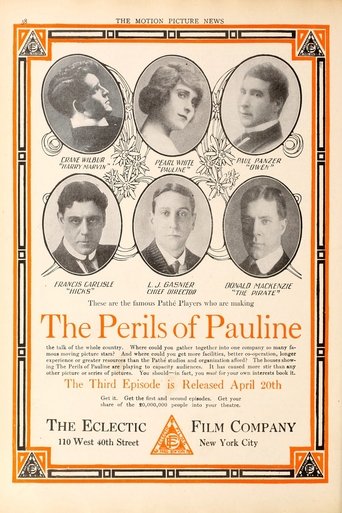
Belgian-American film actor and director who in the early development of American cinema during the silent era. Born in Belgium in 1865, José began his career as a stage actor in Europe before immigrating to the United States and transitioning to the burgeoning film industry. He quickly established himself as a versatile character actor, appearing in numerous early productions including the serial 'The Perils of Pauline' (1914) and the controversial hit 'A Fool There Was' (1915). As his career progressed, José transitioned successfully behind the camera, becoming a prolific director for major studios including Fox Film Corporation. He specialized in directing adventure serials, melodramas, and comedy shorts, often working with popular stars of the day like Pearl White and June Caprice. His directorial work included the feature film 'My Cousin' (1918) and numerous chapter plays that were popular with audiences of the 1910s. José continued directing through the early 1920s before retiring from the film industry, leaving behind a substantial body of work that exemplified the storytelling techniques of early American cinema. He spent his final years in Hollywood, where he passed away in 1930, having witnessed the transition from silent films to the early talkies.
The Craft
On Screen
Edward José was known for his theatrical, exaggerated acting style typical of the early silent era, using broad gestures and expressive facial features to convey emotion to audiences without dialogue. His stage background informed his screen presence, bringing a dramatic intensity to his character roles, particularly as villains or authority figures in adventure serials and melodramas.
Behind the Camera
As a director, José specialized in fast-paced adventure serials and melodramas, employing dynamic camera movement and editing techniques that kept audiences engaged across multiple chapters. He had a particular talent for staging action sequences and creating suspenseful situations, which made him especially valuable in the production of chapter plays that required viewers to return week after week.
Milestones
- Appeared in the groundbreaking serial 'The Perils of Pauline' (1914)
- Acted in the controversial hit 'A Fool There Was' (1915) starring Theda Bara
- Directed the feature film 'My Cousin' (1918)
- Directed numerous adventure serials for Fox Film Corporation
- Worked extensively with serial queen Pearl White
- Transitioned successfully from acting to directing during the silent era
- Directed over 50 films during his career
Best Known For
Iconic Roles
Must-See Films
Accolades
Special Recognition
- Pioneer in early American cinema
- Contributor to the development of the film serial format
Working Relationships
Worked Often With
Studios
Why They Matter
Impact on Culture
Edward José contributed significantly to the development of American film serials during their golden age in the 1910s, helping establish narrative techniques and visual styles that would become standard in the genre. His work on 'The Perils of Pauline' and other serials helped create the template for cliffhanger storytelling that would influence action cinema for decades. As both actor and director, he represented the transitional generation of performers who moved from stage to screen, bringing theatrical techniques to the new medium while adapting to its unique requirements. His films reflected the cultural values and entertainment preferences of early 20th century American audiences, particularly the appetite for adventure, melodrama, and serialized storytelling.
Lasting Legacy
Edward José's legacy lies in his substantial contribution to early American cinema, particularly in the development of the film serial format that captivated audiences during the silent era. His directorial work on numerous adventure serials helped establish conventions of suspense, action, and episodic storytelling that would influence later filmmakers across multiple genres. While not as widely remembered as some of his contemporaries, José represents the many skilled craftsmen who built the foundation of Hollywood during its formative years. His filmography serves as an important record of early cinematic techniques and storytelling approaches, providing valuable insight into the evolution of American film language.
Who They Inspired
José's work influenced subsequent generations of serial directors and action filmmakers, particularly in his use of cliffhanger endings and dynamic action sequences. His approach to visual storytelling in serialized formats helped establish patterns that would be refined by later directors working in adventure and action genres. The techniques he developed for maintaining audience engagement across multiple chapters of a story contributed to the evolution of television series and modern cinematic franchises that employ similar narrative strategies.
Off Screen
Edward José immigrated to the United States from Europe in the early 1900s, bringing with him extensive theatrical experience from his career in Belgium and other European countries. He married and established himself in the American film industry, eventually settling in Hollywood where he became part of the growing community of filmmakers during the silent era. Details about his family life remain relatively scarce, as was common for many early film figures whose personal lives were not extensively documented in contemporary media.
Education
Trained in European theatrical traditions, likely received formal acting training in Belgium or other European countries before entering films
Family
- Unknown - marriage records from the period are incomplete
Did You Know?
- Born in Rotterdam, Netherlands, but was of Belgian nationality
- Began his career as a stage actor in Europe before transitioning to films
- Worked extensively with serial queen Pearl White, directing her in multiple productions
- Was part of the team that created the groundbreaking serial 'The Perils of Pauline'
- Appeared in 'A Fool There Was' (1915), the film that made Theda Bara a star and popularized the 'vamp' character type
- Directed over 50 films during his career, though many are now lost
- Represented the generation of European-trained actors who helped establish American cinema
- His directorial style was particularly suited to the fast-paced requirements of film serials
- Retired from directing just as the film industry was transitioning to sound
- Died in Hollywood in 1930, having witnessed the complete transformation of the film industry during his career
In Their Own Words
No documented famous quotes are available from Edward José, as was common for many behind-the-camera figures of the silent era
Frequently Asked Questions
Who was Edward José?
Belgian-American actor and on YTB.my. He appeared in notable films like 'The Perils of Pauline' (1914) and 'A Fool There Was' (1915) before transitioning to directing, where he helmed numerous productions including 'My Cousin' (1918).
What films is Edward José best known for?
Titles linked here include The Perils of Pauline (1914), A Fool There Was (1915).
When was Edward José born and when did he die?
Born July 5, 1865; died December 18, 1930.
What awards did Edward José win?
Edward José did not receive any major formal awards during his career, as was common for many film industry professionals during the silent era before the establishment of major award ceremonies. His recognition came primarily through his prolific work and contributions to early American cinema.
What was Edward José's directing style?
Edward José's directing style was characterized by fast-paced action and dramatic storytelling, particularly suited to adventure serials and melodramas. He excelled at creating suspenseful situations and cliffhanger endings that kept audiences engaged across multiple chapters, employing dynamic camera work and editing techniques typical of the 1910s.
How did Edward José contribute to early cinema?
Edward José contributed to early cinema by helping establish the film serial format, working on groundbreaking productions like 'The Perils of Pauline' and directing numerous adventure serials. His transition from stage acting to film direction represented the broader evolution of cinematic art during its formative years, bringing theatrical techniques to the new medium while adapting to its unique possibilities.