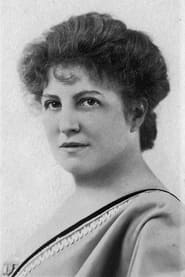
Zeffie Tilbury
Actor
Born: November 20, 1863 in London, England Died: July 24, 1952 Active: 1890-1950 Birth Name: Zeffie Agnes Lydia Tilbury
Films
4 films
About Zeffie Tilbury
Character actress: over six decades, from Victorian stage productions through the Golden Age of Hollywood. Born in England in 1863, she began her theatrical career as a child performer in London's West End before transitioning to American stage productions in the early 1900s. Tilbury made her film debut during the silent era and quickly established herself as a reliable character actress, often playing roles much older than her actual age due to her mature appearance and commanding presence. She successfully navigated the transition from silent films to talkies, appearing in numerous notable productions throughout the 1920s and 1930s. Her most memorable performances often featured her as formidable matriarchs, eccentric spinsters, or cantankerous elderly women, bringing depth and authenticity to every role. Tilbury continued working steadily into the 1940s, appearing in over 100 films before her death in 1952, leaving behind a legacy as one of cinema's most recognizable character actresses of the early Hollywood era.
The Craft
On Screen
Tilbury was known for her naturalistic portrayal of elderly characters, bringing authenticity and depth to roles often decades older than her actual age. Her acting style combined theatrical training from her early stage career with the subtlety required for film, featuring precise timing, expressive facial features, and a distinctive dry wit. She excelled at playing formidable matriarchs and eccentric spinsters, using her commanding presence and distinctive voice to create memorable characters.
Milestones
- Stage debut in London at age 7
- Transition to American theater in 1900s
- Film debut in silent era
- Successful transition to sound films
- Over 100 film appearances
- Specialized in elderly character roles
- Worked with major Hollywood studios
Best Known For
Iconic Roles
Must-See Films
Accolades
Special Recognition
- Hollywood Walk of Fame star (Motion Pictures)
Working Relationships
Worked Often With
Studios
Why They Matter
Impact on Culture
Zeffie Tilbury made significant contributions to the development of character acting in early Hollywood, helping establish the importance of supporting roles in narrative films. Her ability to convincingly portray elderly characters influenced how aging was represented on screen, moving away from caricature toward more nuanced portrayals. She was part of the transition generation that brought theatrical techniques to the new medium of cinema, helping bridge the gap between stage and screen acting styles. Her work in socially conscious films like 'The Grapes of Wrath' demonstrated how character actors could enhance the emotional depth and social commentary of important cinematic works.
Lasting Legacy
Zeffie Tilbury's legacy endures through her extensive filmography, which serves as a masterclass in character acting from Hollywood's formative years. She paved the way for future character actors by demonstrating the artistic and commercial value of specialized supporting roles. Her performances continue to be studied by film scholars and actors interested in the craft of character development. Tilbury's career represents the possibilities available to character actors in early Hollywood, showing how dedication to craft could lead to a long and successful career without ever becoming a leading star.
Who They Inspired
Tilbury influenced generations of character actors through her technical precision and emotional authenticity in supporting roles. Her approach to playing elderly characters with dignity and complexity set a standard that would be followed by actors like Agnes Moorehead and Mildred Natwick. Younger actors often sought her advice on technique and career longevity in Hollywood's competitive studio system. Her success demonstrated that character actors could build substantial careers and gain audience recognition without traditional leading roles.
Off Screen
Zeffie Tilbury was born into a theatrical family in London, with her father being the noted playwright George Tilbury. She married fellow actor Loring Page in 1895, though the marriage ended in divorce. Later in life, she married director and actor Robert Leonard (not to be confused with the famous director Robert Z. Leonard). Tilbury never had children but was known as a mother figure to many younger actors in Hollywood. She became a naturalized American citizen in the 1920s and spent her final years in Los Angeles, where she was active in local theater productions even as her health declined.
Education
Educated in London with early theatrical training from her family and private tutors
Family
- Loring Page (1895-1910)
- Robert Leonard (1920-1932)
Did You Know?
- Began performing on stage at age 7 in London
- Often played characters 20-30 years older than her actual age
- Appeared in both British and American stage productions before films
- Was a naturalized American citizen but retained her British accent
- Worked steadily through the Great Depression when many actors struggled
- Her final film appearance was in 'The Belle of New York' (1952)
- Was a founding member of the Hollywood Anti-Nazi League
- Known for her extensive collection of antique dolls
- Once performed in a production with a young Charlie Chaplin in London
- Her distinctive voice made her popular in early sound films
In Their Own Words
In character acting, you must become the character so completely that the audience forgets you're acting.
Age on screen is not about wrinkles, but about the weight of experience in your eyes.
Every character, no matter how small, deserves to be a real person with a history.
Frequently Asked Questions
Who was Zeffie Tilbury?
British-American character actress who had a prolific career spanning from Victorian theater through Hollywood's Golden Age, appearing in over 100 films and specializing in elderly character roles.
What films is Zeffie Tilbury best known for?
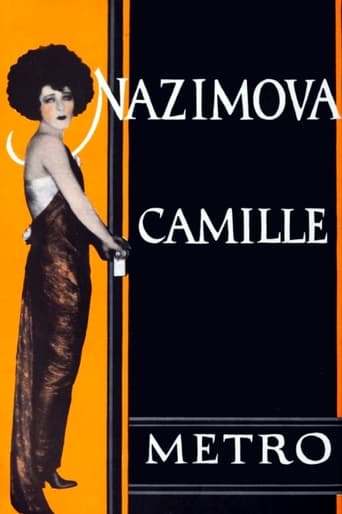
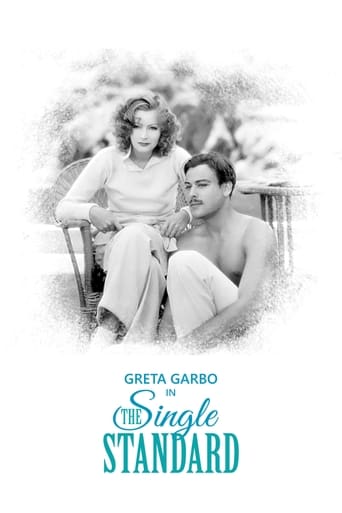
Titles linked here include Camille (1921), The Single Standard (1929).
When was Zeffie Tilbury born and when did she die?
Born November 20, 1863; died July 24, 1952.
What awards did Zeffie Tilbury win?
While she didn't receive major acting awards during her career, Zeffie Tilbury was honored with a star on the Hollywood Walk of Fame for her contributions to motion pictures.
What was Zeffie Tilbury's acting style?
Tilbury was known for her naturalistic portrayals of elderly characters, combining theatrical precision with film subtlety, often playing roles decades older than her actual age with remarkable authenticity.
How did Zeffie Tilbury influence cinema?
She helped establish the importance of character acting in early Hollywood, demonstrating how supporting roles could enhance storytelling and paving the way for future character actors to build substantial careers.
Did Zeffie Tilbury work in both silent and sound films?
Yes, Tilbury successfully transitioned from silent films to talkies, appearing in over 100 films throughout both eras, with her distinctive voice making her particularly valuable in sound productions.