
Camille
"1921 silent film"
Keys: Space play/pause · ←/→ 10s · F fullscreen · M mute · </> speed
About this film
Set in 1920s Paris, whereas the original version takes place in Paris in the 1840s. It is based on the play adaptation La Dame aux Camélias by Alexandre Dumas, fils, which was first published in French as a novel in 1848 and as a play in 1852. Is one of numerous screen adaptations of Dumas, fils' story. It has lavish Art Deco sets; Rudolph Valentino later married the film's art director, Natacha Rambova.
Cast & crew
More Drama films
View all →






More about this film
About the production
Release dateSeptember 11, 1921
Box officeModerately successful, though exact figures are not documented
ProductionNazimova Productions, Metro Pictures Corporation
Filmed inHollywood, California, Nazimova Studio
The film featured highly stylized Art Nouveau sets and costumes designed by Natasha Rambova, who would later become Valentino's wife. Nazimova exercised significant creative control as both star and producer, insisting on an artistic, avant-garde approach rather than realistic settings. The production was notable for its elaborate visual design that emphasized the artificiality of Camille's world through geometric patterns, flowing fabrics, and symbolic props.
Themes
Love and sacrificeSocial hypocrisyThe price of appearancesRedemption through sufferingClass conflict
Themes & topics
Pariscourtesanromancetragedytuberculosissacrificesocial classfamily honorforbidden loveillnessdeathredemption19th centuryliterary adaptation
Historical background
Camille (1921) circulated in the silent era. The film is set in 1920s Paris, whereas the original version takes place in Paris in the 1840s. Contemporary trade papers and later preservation notes document its place among nickelodeon and cinema-club programs.
Why this film matters
Camille remains accessible to researchers and viewers as a screen title in museum, archive, and streaming collections. It is based on the play adaptation La Dame aux Camélias (The Lady of the Camellias) by Alexandre Dumas, fils, which was first published in French as a novel in 1848 and as a play in 1852.
Making of
The production was marked by Nazimova's artistic vision and insistence on creative control. She worked closely with Natasha Rambova to create a highly stylized visual world that emphasized the artificial nature of Camille's existence through elaborate sets featuring flowing curtains, geometric patterns, and symbolic props. Valentino, still building his reputation, brought his signature intensity to the role of Armand, though his relationship with Nazimova on set was reportedly strained due to their both being strong-willed artists. The film was shot during the summer of 1921 at Nazimova's personal studio, where she could maintain complete control over the artistic direction. The production team used innovative lighting techniques to create the contrast between the glittering surface of Parisian society and the emotional truth beneath, with cinematographer Tony Gaudio employing dramatic shadows and soft focus to enhance the romantic atmosphere.
What critics said
Day-one reviews for Camille are sparse in digitized press archives; later criticism treats it as a reference point for 1921 cinema programming and preservation.
Did you know?
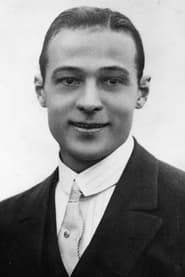
- This was one of Rudolph Valentino's final films before his breakthrough superstardom in 'The Sheik' (1921), which was released just weeks later
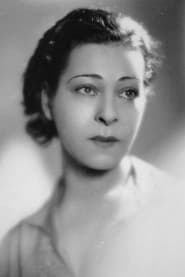
- Alla Nazimova was not only the star but also had her own production company, making her especially powerful women in Hollywood at the time
- Natasha Rambova worked on costume design and art direction before marrying Valentino the following year
- The film's Art Nouveau aesthetic was considered highly avant-garde and ahead of its time, influencing later art deco designs in cinema
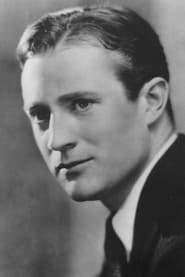
- Rex Cherryman, who played Gaston, died unexpectedly of a heart attack in 1928 at age 31, making this one of his few surviving film performances
- This was one of at least seven film adaptations of Alexandre Dumas' novel 'La Dame aux Camélias' made during the silent era
- Nazimova was known for her intense method acting style, reportedly staying in character throughout the entire production
- The film's sets were designed to be deliberately artificial and theatrical, rejecting the trend toward realism in filmmaking
- Contemporary reports indicated that Nazimova and Valentino had a tense working relationship due to their strong artistic temperaments
- The film's intertitles were written by prominent screenwriter Mary H. O'Connor, who specialized in literary adaptations
Visual style
The cinematography by Tony Gaudio employed innovative techniques for the time, using dramatic lighting to create emotional depth and visual poetry. Gaudio utilized soft focus lenses during romantic scenes to enhance the dreamlike quality of Camille and Armand's love, while harsher lighting emphasized the harsh realities of her life and illness. The camera work incorporated careful composition that framed characters within the elaborate Art Nouveau sets, using architectural elements to reinforce themes of confinement and artificiality. The cinematography also made effective use of shadows and light to create visual metaphors for the story's themes of truth versus appearance, with Camille often shown in partial shadow to represent her hidden true self.
Innovations
While not groundbreaking in technical innovation, the film was notable for its advanced approach to visual storytelling through stylized production design. The Art Nouveau aesthetic represented an ambitious artistic vision that went beyond the more realistic style common in films of the period. The production team experimented with color tinting for emotional effect, using amber tones for romantic scenes and blue tints for melancholy moments. The elaborate sets were designed with mobility in mind, allowing for complex camera movements that enhanced the visual storytelling. The film also demonstrated sophisticated use of intertitles to convey narrative information while maintaining dramatic momentum.
Music
As a silent film, 'Camille' would have been accompanied by live musical performances in theaters, with scores typically compiled from classical pieces and original compositions. The music would have been particularly crucial during emotional scenes, with romantic themes likely drawing from composers like Chopin and Debussy to enhance the Parisian setting. The deathbed scene would have been accompanied by somber, dramatic music to amplify the tragedy. Larger theaters might have employed full orchestras, while smaller venues used piano or organ accompaniment. The score would have been carefully synchronized with the film's emotional beats, using leitmotifs for characters and themes to enhance narrative comprehension without dialogue.
Famous quotes
Love is the only reality that matters
I would rather die than be the cause of your ruin
In sacrificing my happiness, I have saved your future
Society forgives the sin but never the scandal
True love knows no sacrifice too great
Memorable scenes
- Camille and Armand's passionate declaration of love in her Parisian apartment, surrounded by elaborate Art Nouveau decor
- The tense confrontation between Camille and Armand's father, where she agrees to sacrifice their love
- Camille's return to her former life of luxury, her face a mask of indifference hiding her broken heart
- The deathbed scene where Armand finally learns the truth and reconciles with the dying Camille
- The opening salon scene introducing Camille's world of artificial beauty and superficial relationships
What audiences thought
The film was moderately successful with audiences, particularly attracting viewers who appreciated literary adaptations and romantic melodramas. Valentino's growing popularity helped draw crowds, though his superstardom would explode later that year with 'The Sheik.' Audiences of the time responded strongly to the tragic romance and themes of selfless love, which resonated with the sentimental sensibilities of early 1920s moviegoers. The film's artistic design was noted and discussed by cinema enthusiasts, though mainstream audiences were more focused on the emotional story and the star power of the leads.
Film connections
Influenced by
- Alexandre Dumas, fils' novel 'La Dame aux Camélias' (1852)
- Verdi's opera 'La Traviata' (1853)
- Previous stage and film adaptations of the story
- Art Nouveau movement
- Theatrical acting traditions
- German Expressionist cinema
This film influenced
- 'Camille' (1936) starring Greta Garbo
- Subsequent romantic melodramas of the 1920s
- Later adaptations of classic literature in Hollywood
- Art deco influenced films of the late 1920s
Film restoration
Lost film - no complete copies are known to survive. Like approximately 75% of silent films, this version of 'Camille' has been lost to time, though some still photographs and production stills exist in various film archives.
Where to watch
- Not available for viewing as the film is lost. Film enthusiasts can learn about it through historical film books, silent cinema documentaries, and by examining surviving production photographs in archives like the Library of Congress and the Academy Film Archive.