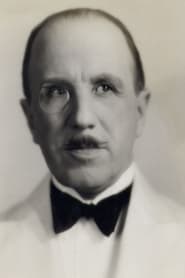
Arthur Hoyt
Actor & Director
Born: March 19, 1874 in Georgetown, Colorado, USA Died: January 4, 1953 Active: 1914-1947
Films
12 films

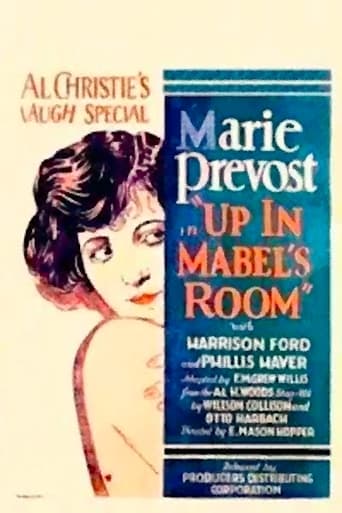
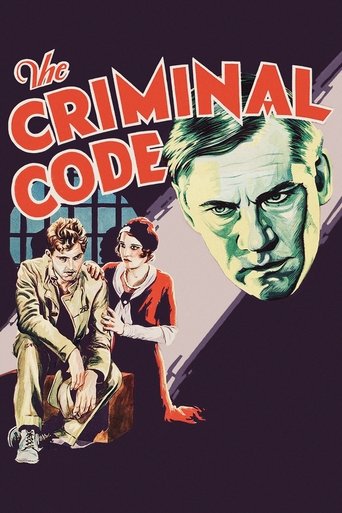
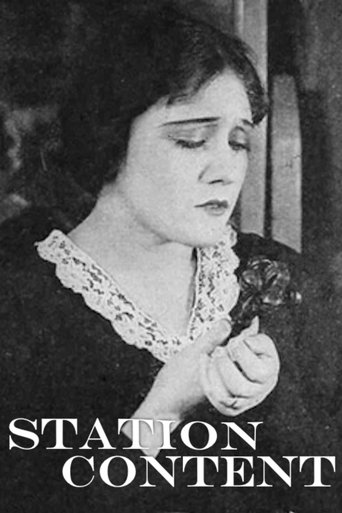
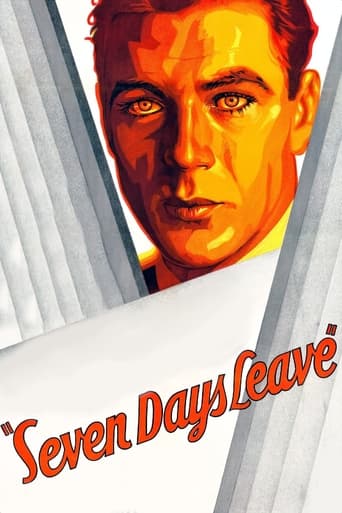
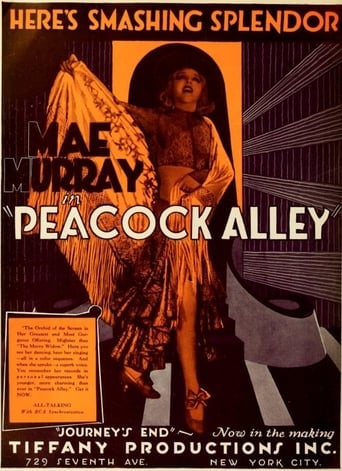
About Arthur Hoyt
Prolific American character actor: the silent era through the Golden Age of Hollywood, appearing in over 300 films. Born in Colorado in 1874, Hoyt began his film career in the mid-1910s after initially working as a stage actor and teacher. He quickly established himself as a reliable supporting player, specializing in portraying nervous, fussy, or officious characters with his distinctive mustache and anxious demeanor. Hoyt successfully transitioned from silent films to talkies, maintaining his popularity through the 1930s and early 1940s. He became a favorite of director Frank Capra, appearing in several of his most celebrated films including 'It Happened One Night' and 'You Can't Take It with You'. Despite never achieving leading man status, Hoyt's memorable performances and versatility made him one of Hollywood's most recognizable character actors. He continued working steadily until his death in 1953, leaving behind an extensive filmography that showcases the breadth of his talent across multiple genres and studios.
The Craft
On Screen
Hoyt was known for his distinctive portrayal of nervous, anxious, and often comically flustered characters. He had a unique ability to convey worry and agitation through subtle facial expressions, particularly with his eyes and distinctive mustache. His physical comedy often involved fidgeting, stammering, and displaying a perpetual state of mild panic, making him perfect for roles as nervous clerks, anxious businessmen, or worried fathers. Despite often playing similar character types, Hoyt brought nuance and authenticity to each performance, never reducing his characters to mere caricatures.
Milestones
- Appeared in over 300 films during his 33-year career
- Successful transition from silent films to talkies
- Regular collaborator with director Frank Capra
- Memorable supporting roles in classic Hollywood films
- Known for playing nervous, fussy characters
- Worked with all major Hollywood studios
Best Known For
Iconic Roles
Must-See Films
Accolades
Special Recognition
- Hollywood Walk of Fame star (Motion Pictures) - 1722 Vine Street
Working Relationships
Worked Often With
Studios
Why They Matter
Impact on Culture
Arthur Hoyt represents the quintessential character actor of Hollywood's Golden Age, embodying the type of reliable supporting player who gave films their texture and depth. His distinctive nervous characters became a familiar presence in American cinema, helping to define the visual language of comedy and drama in the 1920s-1940s. Hoyt's work with Frank Capra contributed significantly to the director's vision of American life, often representing the common man's anxieties and concerns. His successful transition from silent films to talkies demonstrated the importance of adaptable character actors in the evolving film industry.
Lasting Legacy
Arthur Hoyt's legacy lies in his extensive body of work that showcases the vital role of character actors in classic Hollywood cinema. With over 300 film appearances, he created an indelible mark on American film history, even though he rarely received top billing. His performances continue to be studied by film scholars and appreciated by classic movie enthusiasts for their consistency and authenticity. Hoyt's ability to create memorable characters with limited screen time established a template for future generations of character actors, proving that supporting roles could be just as impactful as leading performances.
Who They Inspired
Hoyt influenced subsequent generations of character actors through his demonstration of how distinctive character traits could be developed into a sustainable career. His work showed the importance of creating a recognizable persona while avoiding typecasting through subtle variations in performance. Many later character actors, including Edward Everett Horton and Franklin Pangborn, followed similar paths of specializing in nervous or fussy characters. Hoyt's professionalism and reliability set a standard for supporting players in Hollywood's studio system.
Off Screen
Arthur Hoyt was married to actress Emory Johnson from 1911 until their divorce in 1914. He later married actress Myrtle Stedman in 1915, though this marriage also ended in divorce. Hoyt was known as a dedicated professional who took his craft seriously, often studying his characters in depth before filming. He lived in Hollywood for most of his career and was well-regarded by his colleagues for his reliability and professionalism on set. Despite his extensive film work, Hoyt maintained a relatively private personal life away from the cameras.
Education
Attended Georgetown University; studied law before turning to acting
Family
- Emory Johnson (1911-1914)
- Myrtle Stedman (1915-1920)
Did You Know?
- Appeared in over 300 films during his career, making him one of Hollywood's most prolific actors
- Often played characters who were nervous, anxious, or perpetually worried
- Had a distinctive mustache that became his trademark
- Was a favorite of director Frank Capra, appearing in 7 of his films
- Successfully transitioned from silent films to talkies without losing popularity
- Began his career as a stage actor before moving to films
- Originally studied law at Georgetown University before pursuing acting
- His brother was actor Harry Hoyt, also a silent film actor
- Often played similar character types but brought unique nuances to each role
- Worked with virtually every major Hollywood studio during his career
In Their Own Words
I've never been a star, but I've always been employed.
In the movies, it's better to be a good character actor than a bad leading man.
Nervousness is an art form when you do it for a living.
Frequently Asked Questions
Who was Arthur Hoyt?
Screen credits include over 300 films during Hollywood's silent era and Golden Age. He was known for playing nervous, fussy, and anxious characters, often with his distinctive mustache and worried expression. Hoyt worked with all major studios and was a favorite collaborator of director Frank Capra.
What films is Arthur Hoyt best known for?
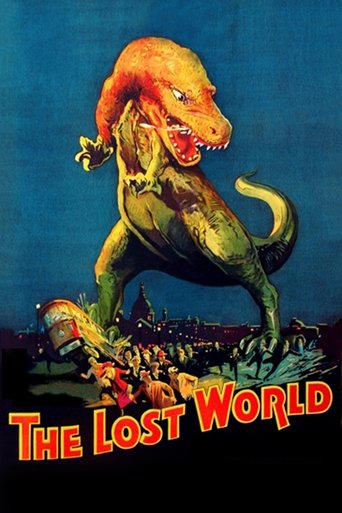
Titles linked here include The Lost World (1925), It Happened One Night (1934).
When was Arthur Hoyt born and when did he die?
Born March 19, 1874; died January 4, 1953.
What awards did Arthur Hoyt win?
While Arthur Hoyt did not receive major acting awards during his career, he was honored with a star on the Hollywood Walk of Fame for his contributions to motion pictures. His recognition came primarily through the respect of his colleagues and his extensive body of work rather than formal awards.
What was Arthur Hoyt's acting style?
Arthur Hoyt specialized in playing nervous, anxious, and comically flustered characters. His acting style featured distinctive facial expressions, fidgeting movements, and a worried demeanor that made him perfect for roles as nervous clerks, anxious businessmen, and concerned fathers. Despite often playing similar character types, he brought nuance and authenticity to each performance.