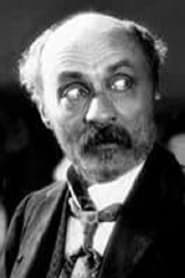
William Orlamond
Actor
Born: August 1, 1867 in Copenhagen, Denmark Died: April 23, 1955 Active: 1921-1928
Films
6 films

About William Orlamond
Danish-American character actor who became a familiar face in Hollywood during the silent film era. Born in Denmark, he immigrated to the United States and began his acting career on the stage before transitioning to films in the early 1920s. Orlamond developed a reputation for playing, often elderly or foreign characters, utilizing his natural European accent and dignified bearing. His film career, though relatively brief from 1921-1928, included appearances in several major productions alongside stars like Greta Garbo, Clara Bow, and John Gilbert. He worked primarily for MGM and other major studios, often cast as butlers, professors, doctors, or aristocrats. Orlamond successfully navigated the transition to sound films but his career in American cinema was relatively short-lived. His final film appearances came in the late 1920s as the silent era gave way to talkies, after which he largely disappeared from the Hollywood scene.
The Craft
On Screen
Orlamond was known for his dignified, understated acting style typical of character actors of the silent era. He brought a natural gravitas and European sophistication to his roles, often playing authority figures or refined gentlemen. His performances were marked by subtle facial expressions and measured gestures, relying on the pantomime skills essential for silent film acting. He had a distinctive presence that made him instantly recognizable, often portraying characters of wisdom, authority, or foreign origin.
Milestones
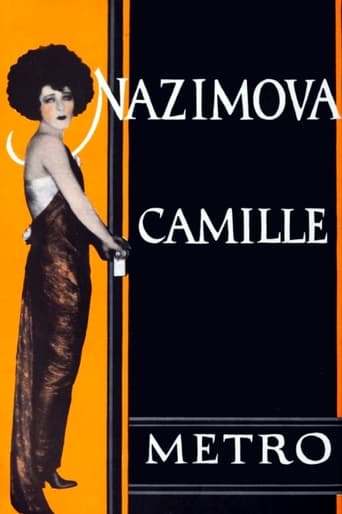
- Film debut in 'Camille' (1921) starring Rudolph Valentino
- Memorable role in 'Flesh and the Devil' (1926) with Greta Garbo and John Gilbert
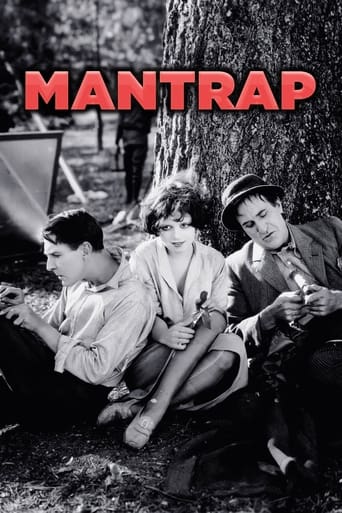
- Appeared in Clara Bow starrer 'Mantrap' (1926)
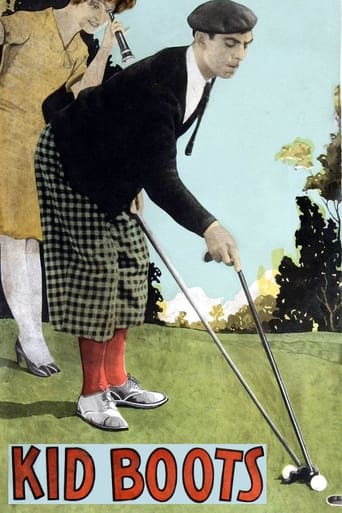
- Supporting role in Eddie Cantor comedy 'Kid Boots' (1926)
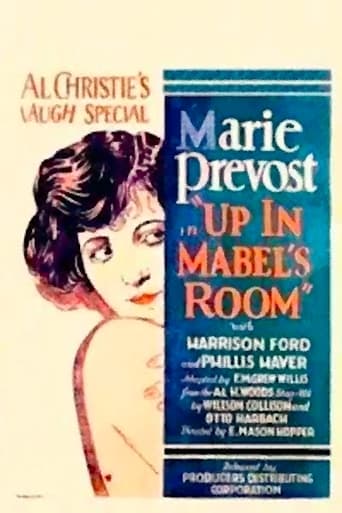
- Character performance in 'Up in Mabel's Room' (1926)
Best Known For
Iconic Roles
Must-See Films
Working Relationships
Worked Often With
Studios
Why They Matter
Impact on Culture
William Orlamond represents the important but often overlooked character actors who provided essential support to Hollywood's star system during the silent era. His European background and dignified presence helped lend authenticity to period pieces and dramas set in upper-class society. As a Danish actor in American cinema, he was part of the international melting pot that characterized early Hollywood, bringing diverse cultural perspectives to American films. His work in major productions like 'Flesh and the Devil' contributed to the visual richness and authenticity of Hollywood's golden age of silent cinema.
Lasting Legacy
Though not a major star, William Orlamond's legacy lies in his contributions to the ensemble casts that made silent films memorable. His performances survive as examples of the skilled character acting that elevated silent films beyond mere star vehicles. He represents the journey of many European actors who found success in Hollywood's early years, helping to establish the international character of American cinema. His film appearances, particularly in major productions like 'Camille' and 'Flesh and the Devil,' remain valuable to film historians studying the supporting performances that defined silent era cinema.
Who They Inspired
As a character actor, Orlamond's influence was primarily in demonstrating the importance of supporting performances in creating fully realized cinematic worlds. His dignified, professional approach to character roles set a standard for future generations of character actors. His ability to embody authority and sophistication helped establish archetypes that would be refined by subsequent character actors in Hollywood's golden age.
Off Screen
Private individual who kept his personal life largely out of the public eye. As a Danish immigrant who found success in Hollywood, he represented the many European actors who contributed to American cinema during its formative years. He lived in Los Angeles during his film career and remained in California after his retirement from acting. Orlamond never married and had no children, dedicating his life entirely to his craft. His later years were spent away from the spotlight, living quietly until his death at age 87.
Education
Limited information available about his formal education, likely educated in Denmark before immigrating to the United States
Did You Know?
- Born in Copenhagen, Denmark, making him one of the many Scandinavian actors in early Hollywood
- Began his film career at the relatively advanced age of 54
- His filmography spans only 8 years but includes appearances in over 20 films
- Often typecast as elderly or characters despite being in his 50s and 60s
- Worked with some of the biggest stars of the silent era including Greta Garbo and Clara Bow
- His natural European accent made him valuable for sound films but his career was already waning
- Appeared in both dramatic films and comedies, showing versatility as a character actor
- His final film appearances coincided with the end of the silent era
- Never achieved star status but was a reliable and respected character performer
- Represented the typical journey of many European actors in early American cinema
Frequently Asked Questions
Who was William Orlamond?
Danish-American character with credits in this catalog. He was known for playing dignified supporting roles as butlers, professors, and aristocrats in major films alongside stars like Greta Garbo and Clara Bow.
What films is William Orlamond best known for?
Titles linked here include Camille (1921), Flesh and the Devil (1926).
When was William Orlamond born and when did he die?
Born August 1, 1867; died April 23, 1955.
What awards did William Orlamond win?
William Orlamond did not receive any major awards or nominations during his career. Like many character actors of the silent era, his contributions were primarily recognized through steady employment rather than formal accolades.
What was William Orlamond's acting style?
Orlamond was known for his dignified, understated acting style with subtle facial expressions and measured gestures. He brought natural gravitas and European sophistication to his roles, often portraying authority figures or refined gentlemen with authentic presence.