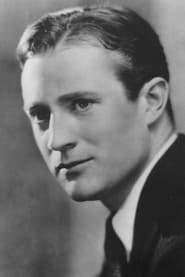
Rex Cherryman
Actor
Born: October 30, 1896 in Grand Rapids, Michigan, USA Died: August 11, 1928 Active: 1919-1928 Birth Name: Rexford Raymond Cherryman
Films
1 film
About Rex Cherryman
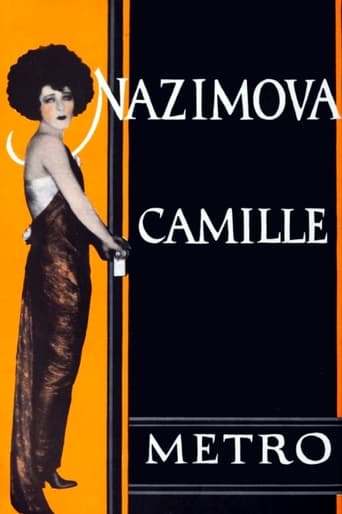
American stage and film actor who rose to prominence during the silent era, though his promising career was tragically cut short. Born in 1896, Cherryman began his career on the Broadway stage before transitioning to films in the early 1920s. He gained significant attention for his role as Armand Duval in the 1921 silent film 'Camille,' starring alongside Rudolph Valentino and Alla Nazimova in lavish productions of its time. Cherryman's performance in 'Camille' showcased his matinee idol looks and natural acting style, positioning him as a rising star in Hollywood. Beyond his film work, he maintained an active stage career, appearing in numerous Broadway productions throughout the early 1920s. His career trajectory suggested he would become one of the leading men of the silent era, with his classical training and commanding presence making him particularly suited for romantic dramas. Cherryman's life and career came to an abrupt end in 1928 when he died suddenly from pneumonia while traveling in Germany at the age of 32, leaving behind a legacy of what might have been in American cinema.
The Craft
On Screen
Rex Cherryman was known for his naturalistic acting style that bridged theatrical tradition with the emerging demands of cinema. His performances were characterized by a subtle emotional depth that contrasted with the exaggerated gestures common in silent films. Cherryman possessed a commanding screen presence, utilizing his classical training to convey complex emotions through minimal movement and expressive eyes. His approach to acting emphasized psychological realism over melodramatic flourishes, making him particularly effective in romantic and dramatic roles. Critics noted his ability to create nuanced characters who felt contemporary and relatable, even in period pieces.
Milestones
- Broadway debut in 'The Famous Mrs. Fair' (1919)
- Breakthrough role in 'Camille' (1921)
- Marriage to actress Olive Borden (1926)
- Stage success in 'The Dove' (1925)
- Final film appearance in 'The Telephone Girl' (1927)
Best Known For
Iconic Roles
Must-See Films
Accolades
Special Recognition
- Posthumous recognition in film history books as a promising actor of the silent era
Working Relationships
Worked Often With
Studios
Why They Matter
Impact on Culture
Rex Cherryman's impact on cinema, though brief, reflects the transitional period between theatrical acting and cinematic naturalism that defined the early 1920s. His performance in 'Camille' demonstrated how classical training could be adapted for the silent screen, influencing other stage actors making the transition to film. Cherryman represented the new type of leading man emerging in Hollywood - one who combined matinee idol looks with genuine acting ability and emotional authenticity. His work helped establish the template for romantic leading roles in silent cinema, particularly in adaptations of classic literature. The tragic nature of his career cut short has made him something of a romantic figure in film history, symbolizing the fragility of life and fame during the golden age of Hollywood.
Lasting Legacy
Rex Cherryman's legacy is primarily preserved through his surviving film work, particularly 'Camille,' which remains a significant example of 1920s silent cinema production values and artistic ambition. Film historians and silent cinema enthusiasts continue to recognize him as an actor of considerable promise whose career trajectory suggested he would have become a major star had he lived longer. His marriage to Olive Borden has ensured his mention in numerous books about Hollywood's golden age and the tragic romances of the era. Cherryman is often cited in discussions of actors who successfully transitioned from stage to screen during the silent era, and his naturalistic acting style is studied as an example of early cinematic performance techniques. The preservation of his films has allowed new generations of film scholars to appreciate his contributions to early American cinema.
Who They Inspired
Cherryman's influence on other actors was primarily through his example of successfully adapting theatrical training to the demands of cinema. His naturalistic approach to silent film acting influenced younger actors who sought to move beyond the exaggerated gestures common in early cinema. While his career was too brief for him to establish a school of acting or directly mentor many performers, his work in productions like 'Camille' set standards for romantic leading roles in silent films. Contemporary actors who studied his performances noted his ability to convey complex emotions through subtle facial expressions and body language, techniques that would become increasingly important as cinema evolved. His influence can be seen in the work of other actors who successfully made the transition from stage to screen during the 1920s.
Off Screen
Rex Cherryman's personal life was marked by his marriage to fellow actress Olive Borden,. The couple married in 1926 and were considered one of Hollywood's most attractive pairs, frequently appearing together at social events and industry functions. Cherryman was known as a devoted husband who supported Borden's career while maintaining his own professional pursuits. Their marriage was cut short by his unexpected death, which devastated Borden and may have contributed to the decline of her own career. Cherryman was also known for his friendships within the theater community and was respected for his professionalism and dedication to his craft.
Education
Attended the University of Michigan where he studied drama and participated in theatrical productions, later receiving formal classical training at the American Academy of Dramatic Arts in New York City
Family
- Olive Borden (1926-1928)
Did You Know?
- Died unexpectedly of pneumonia at age 32 while traveling in Germany with his wife Olive Borden
- His death occurred just as sound films were beginning to revolutionize Hollywood
- Was originally a stage actor who made the transition to films relatively late compared to many of his contemporaries
- His role in 'Camille' was one of the few times he shared the screen with Rudolph Valentino
- The film 'Camille' was
- Cherryman was 6 feet tall, which was considered quite tall for leading men of his era
- He and Olive Borden were
- His death left Olive Borden devastated and may have contributed to her career decline
- Despite his brief film career, he appeared in several Broadway hits including 'The Dove' and 'The Famous Mrs. Fair'
- His gravestone in Grand Rapids, Michigan, mentions his career as an actor and his marriage to Olive Borden
In Their Own Words
The stage teaches you discipline, but the camera teaches you truth.
said in an interview about transitioning from stage to film),
In silent pictures, the eyes must do what the voice cannot.
quoted in a 1925 film magazine article)],
controversies
No significant controversies or scandals were associated with Rex Cherryman during his lifetime. He was known for his professionalism and maintained a positive reputation in both theatrical and film communities.
externalLinks
faq