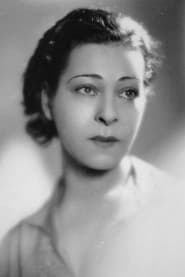
Alla Nazimova
Actor
Born: June 3, 1879 in Yalta, Crimea, Russian Empire (now Ukraine) Died: July 13, 1945 Active: 1905-1945 Birth Name: Miriam Edez Adelaida Leventon
Films
3 films
About Alla Nazimova
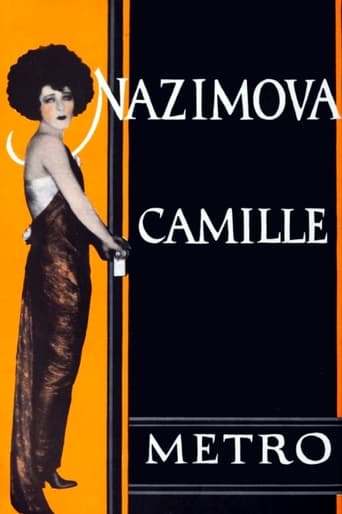
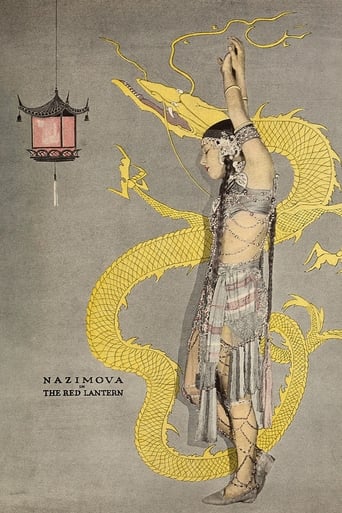
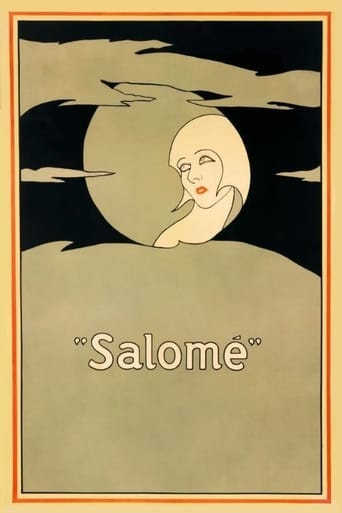
Alla Nazimova (born Miriam Edez Adelaida Leventon) was a Russian-American actress, director, and producer who became figures of the silent film era. She began her career on the Russian stage before moving to America, where she achieved Broadway stardom and then transitioned to films with Metro Pictures. By 1918, she was the highest-paid actress in Hollywood, earning $13,000 per week, and formed her own production company, Nazimova Productions. Her most ambitious projects included the critically acclaimed 'Camille' (1921) and the avant-garde 'Salomé' (1922), which showcased her artistic vision and willingness to push cinematic boundaries. With the advent of sound, her career declined, though she continued to work in character roles through the 1930s and 1940s. Nazimova was known for her bohemian lifestyle, her famous Garden of Alla estate that became a Hollywood gathering place, and her open bisexuality, which was remarkably progressive for her time. She on early Hollywood as both an artist and a trailblazer for women in the film industry.
The Craft
On Screen
Nazimova was renowned for her highly expressive, theatrical acting style that seamlessly translated from stage to silent film. She employed exaggerated gestures and intense facial expressions typical of the era but elevated them with sophisticated artistic interpretation and emotional depth. Her performances were characterized by their intensity, intelligence, and ability to convey complex psychological states, particularly in tragic romantic roles. She brought a level of refinement and cultural sophistication that her from many contemporaries.
Best Known For
Iconic Roles
Must-See Films
Accolades
Won
- Star on the Hollywood Walk of Fame (6210 Hollywood Boulevard)
- Inducted into the National Women's Hall of Fame (2022, posthumous)
Nominated
- No major formal nominations during her career peak
Special Recognition
- Camille (1921) selected for preservation in the National Film Registry (2005)
- Recognized as one of the greatest stars of the silent era by film historians
- Featured in the Library of Congress's 'American Treasures' collection
Working Relationships
Worked Often With
Studios
Why They Matter
Impact on Culture
Alla Nazimova significantly influenced early Hollywood through her artistic ambitions, creative control, and unconventional lifestyle. She demonstrated that women could exercise power as producers and directors during an era when such opportunities were extremely rare. Her open bisexuality challenged social norms and helped create a more accepting environment for LGBTQ+ individuals in the film industry. The Garden of Alla estate she built became in Hollywood history, representing the glamorous, artistic, and rebellious spirit of early cinema. Her films, particularly 'Salomé,' pushed artistic boundaries and influenced the development of cinematic visual language.
Lasting Legacy
Nazimova's legacy endures as one of early Hollywood's most artistic and unconventional figures. She paved the way for women in film production and direction, demonstrating that actresses could be more than just performers. Her films are studied today for their artistic merit and their significant place in LGBTQ+ film history. The term 'sewing circles,' which she coined to refer to lesbian gatherings in Hollywood, has become part of film industry vocabulary. Her influence extends beyond her own era, inspiring later generations of artists to pursue creative independence and artistic integrity.
Who They Inspired
Nazimova influenced later generations of actors and filmmakers through her commitment to artistic integrity and her willingness to challenge conventions. Her theatrical approach to film acting influenced the development of screen acting techniques, while her avant-garde films prefigured later artistic movements in cinema. As an independent producer, she inspired future filmmakers to maintain creative control over their work. Her success as a woman in power positions within the industry paved the way for other women in film production and direction. The character of Norma Desmond in 'Sunset Boulevard' was partly inspired by Nazimova's career trajectory and artistic temperament.
Off Screen
Nazimova was known for her unconventional lifestyle and open bisexuality, which was remarkable for her time. She married actor Charles Bryant in 1912 in what was likely a lavender marriage designed to maintain appearances while both pursued same-sex relationships. Her famous Garden of Alla estate in Hollywood became a gathering place for the artistic and bohemian community. Later in life, she lived with her partner Glesca Marshall, an actress and decorator. Despite her public success, she faced financial difficulties later in life and died relatively modestly compared to her earlier wealth.
Education
Trained at the Moscow Art Theatre under Konstantin Stanislavski; studied with influential theater director Vsevolod Meyerhold
Family
- Charles Bryant (1912-1925)
Did You Know?
- Her stage name 'Nazimova' was derived from the character Nadezhda Nazimova from a Russian play
- She was one of the first stars to earn $10,000 per week, eventually reaching $13,000
- The Garden of Alla estate was later sold and became a famous Hollywood hotel
- She coined the term 'sewing circles' to refer to lesbian gatherings in Hollywood
- 'Salomé' (1922) featured an all-gay cast and was considered so avant-garde it was a commercial failure
- She helped discover and promote Rudolph Valentino, giving him his first significant role
- Her film 'Camille' (1921) was selected for preservation in the National Film Registry in 2005
- She was fluent in Russian, English, French, and German
- She was one of the first film stars to establish her own production company
- Her lavish lifestyle included a private zoo and exotic pets at her estate
In Their Own Words
I want to be a free spirit. Some people don't like that, it's too threatening.
The camera is a merciless instrument. It photographs everything, even what it doesn't see.
In Hollywood, the women are all peaches. It makes one long for an apple.
I have always been a rebel. I don't like rules. I don't like being told what to do.
Art is the only thing that matters. Everything else is just existence.
Frequently Asked Questions
Who was Alla Nazimova?
Russian-American actress, on YTB.my. Known for her artistic ambitions and unconventional lifestyle, she was among the highest-paid actresses in Hollywood and pioneered creative control for women in film through her own production company.
What films is Alla Nazimova best known for?
When was Alla Nazimova born and when did she die?
Born June 3, 1879; died July 13, 1945.
What awards did Alla Nazimova win?
While Nazimova did not receive major formal awards during her lifetime, she was recognized as. Posthumously, she received a star on the Hollywood Walk of Fame and was inducted into the National Women's Hall of Fame in 2022.
What was Alla Nazimova's acting style?
Nazimova's acting style was highly theatrical and expressive, characterized by intense emotional performances and sophisticated interpretation. She brought a level of artistic refinement to her roles that her from many of her contemporaries, particularly in her portrayals of tragic romantic heroines.
How did Alla Nazimova influence Hollywood?
Nazimova influenced Hollywood by demonstrating that women could exercise creative control as producers and directors, helping establish the star system, and challenging social norms through her open bisexuality. Her Garden of Alla estate became as a gathering place for Hollywood's artistic community.
What was unique about Nazimova's film 'Salomé'?
'Salomé' (1922) was unique for its avant-garde visual style, featuring elaborate Art Deco sets inspired by Aubrey Beardsley's illustrations and its bold artistic approach. Though a commercial failure at the time, it's now recognized as a masterpiece of silent cinema and an important work in LGBTQ+ film history.
What was the Garden of Alla?
The Garden of Alla was Nazimova's lavish estate in Hollywood that became a gathering place for the artistic community. It featured exotic gardens, a private zoo, and hosted many of Hollywood's most creative figures. After Nazimova sold it, it became a famous hotel that continued to be a Hollywood landmark.