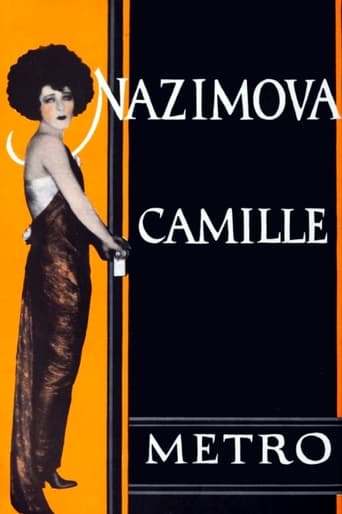
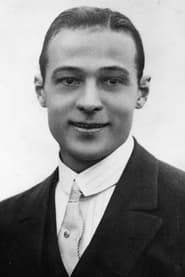
Rudolph Valentino
Actor
Born: May 6, 1895 in Castellaneta, Italy Died: August 23, 1926 Active: 1914-1926 Birth Name: Rodolfo Alfonso Raffaello Pierre Filibert Guglielmi di Valentina d'Antonguella
Films
19 films
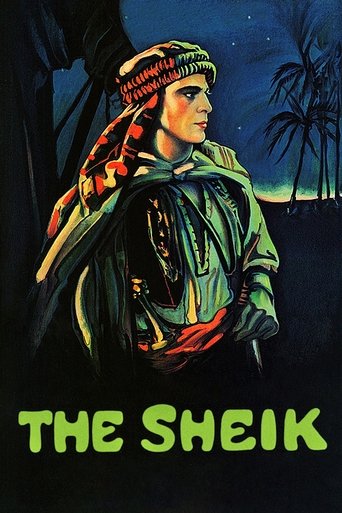
The Sheik
1921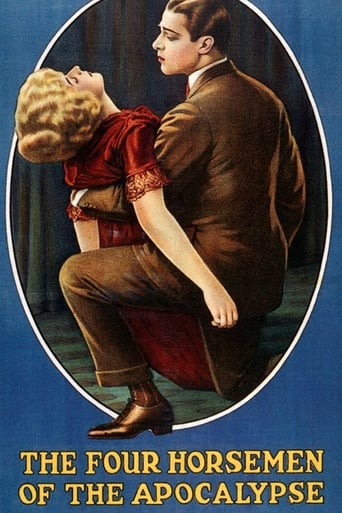
The Four Horsemen of the Apocalypse
1921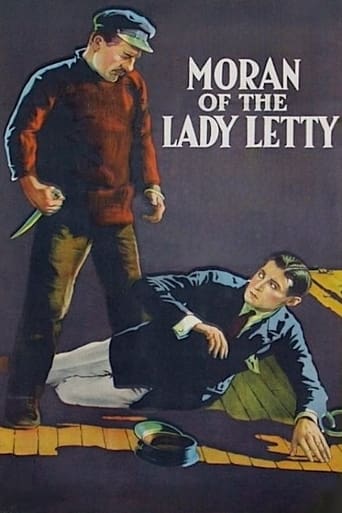
Moran of the Lady Letty
1922
Beyond the Rocks
1922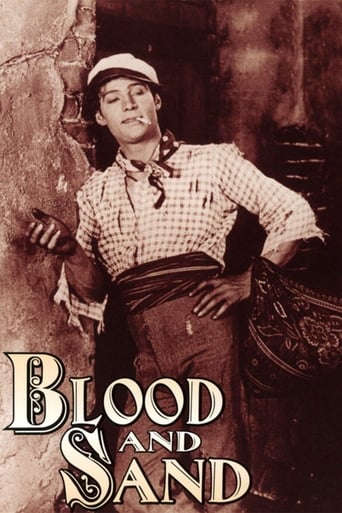
Blood and Sand
1922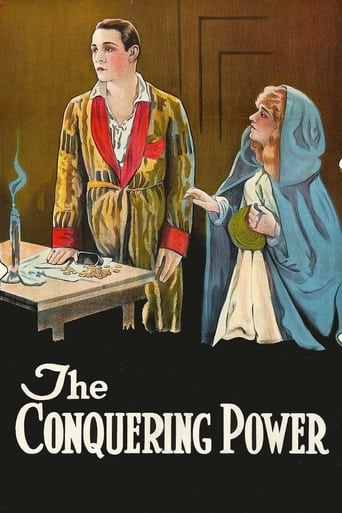
The Conquering Power
1921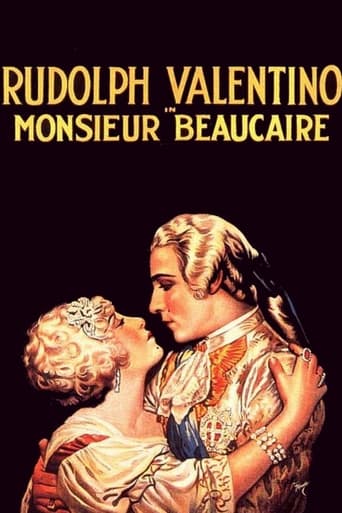
Monsieur Beaucaire
1924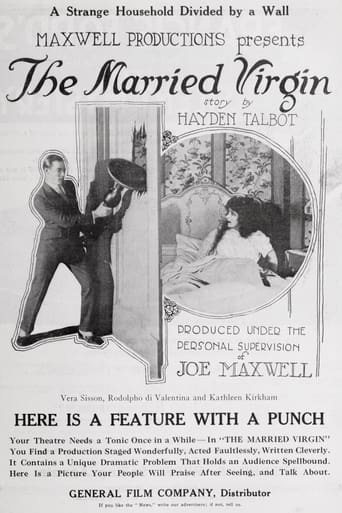
The Married Virgin
1918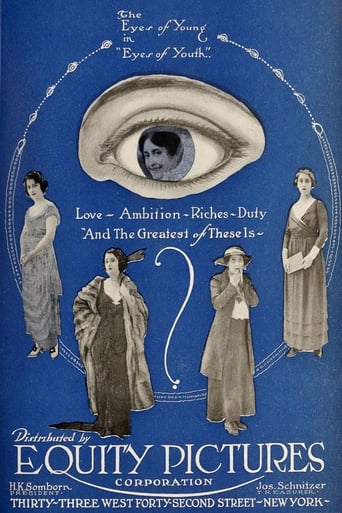
Eyes of Youth
1919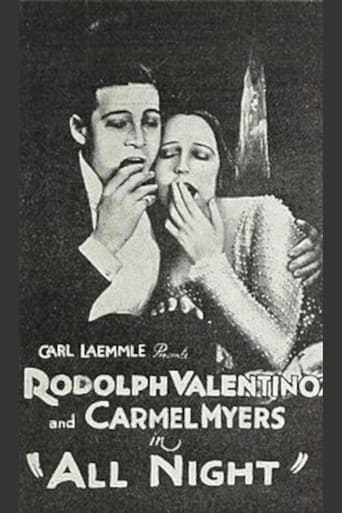
All Night
1918
A Society Sensation
1918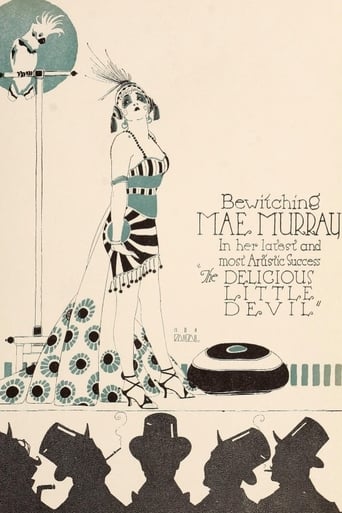
The Delicious Little Devil
1919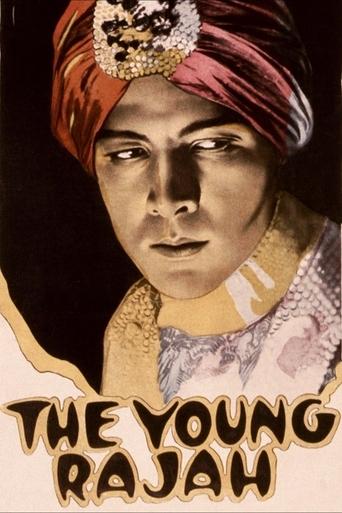
The Young Rajah
1922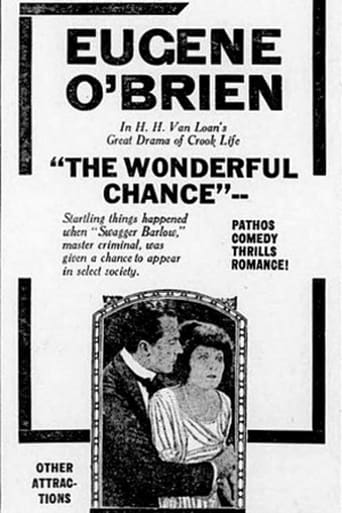
The Wonderful Chance
1920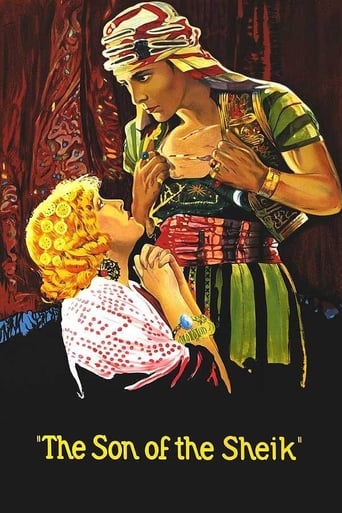
The Son of the Sheik
1926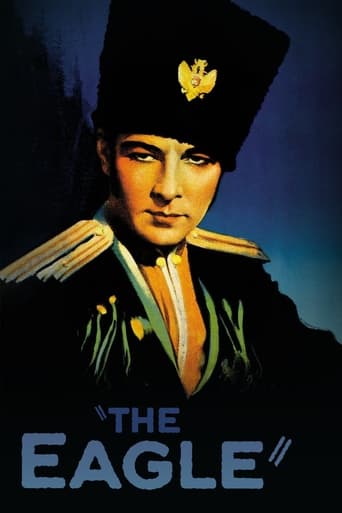
The Eagle
1925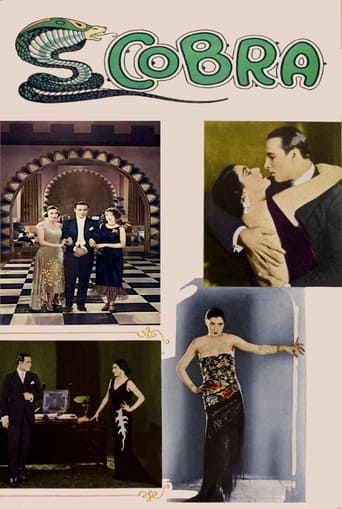
Cobra
1925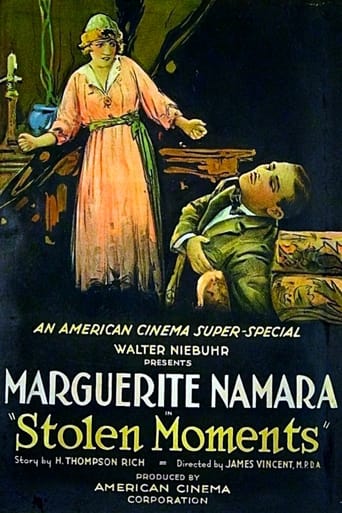
Stolen Moments
1920About Rudolph Valentino
Rudolph Valentino, born Rodolfo Guglielmi, was an Italian actor who rose to international stardom as one of the greatest icons of silent cinema. After immigrating to America in 1913, he worked various odd jobs before breaking into films as an extra and gradually moving up to supporting roles. His breakthrough came with 'The Four Horsemen of the Apocalypse' (1921), which established him as a major star and romantic lead. Valentino's exotic good looks, passionate screen presence, and dancing ability made him the quintessential 'Latin Lover' of the 1920s, starring in blockbuster hits like 'The Sheik' (1921), 'Blood and Sand' (1922), and 'The Eagle' (1925). Despite his massive popularity, he faced typecasting and contract disputes with studios, leading to brief career interruptions. His sudden death from peritonitis at age 31 caused unprecedented public hysteria, with thousands of mourners lining the streets of New York for his funeral. Valentino's legacy endures as a symbol of silent cinema's glamour and the tragic romantic hero archetype.
The Craft
On Screen
Valentino's acting style was characterized by intense emotional expression, smoldering sensuality, and graceful physicality that transcended the limitations of silent film. He utilized his dark, expressive eyes and subtle facial movements to convey deep passion and vulnerability, creating a unique blend of masculinity and romantic sensitivity. His background as a professional dancer informed his physical performances, lending an elegance and fluidity to his movements that set him apart from contemporaries. Valentino mastered the art of pantomime and gesture, using his entire body to express emotions ranging from fierce passion to tender romance. His screen presence combined exotic mystique with approachable humanity, making him both desirable and relatable to audiences.
Milestones
- Breakthrough role in 'The Four Horsemen of the Apocalypse' (1921)
- Starred in the cultural phenomenon 'The Sheik' (1921)
- Danced professionally with Bonnie Glass before film career
- Signed contract with Famous Players-Lasky Corporation
- Successfully sued studio for breach of contract in 1922
- Formed his own production company 'Rudolph Valentino Productions'
- Final film 'The Son of the Sheik' (1926) released posthumously
Best Known For
Iconic Roles
Must-See Films
Accolades
Won
- Hollywood Walk of Fame Star (1960)
- Golden Palm Star on Palm Springs Walk of Stars
Special Recognition
- Inducted into the International Best Dressed List Hall of Fame
- Featured on a U.S. Postage stamp in 1994
- Multiple films preserved in the National Film Registry
- Subject of biographical films and documentaries
- Memorialized in songs and popular culture
Working Relationships
Worked Often With
Studios
Why They Matter
Impact on Culture
Rudolph Valentino fundamentally transformed Hollywood's conception of the male romantic lead, creating the 'Latin Lover' archetype that would influence cinema for decades. His unprecedented international stardom demonstrated the global appeal of film and helped establish Hollywood as the world's entertainment capital. Valentino's exotic image challenged American notions of masculinity and beauty, introducing a more sensual, emotionally expressive model of manhood to mainstream culture. His death triggered mass hysteria that revealed the profound emotional connection audiences had formed with film stars, marking a turning point in celebrity culture. The Valentino phenomenon extended beyond cinema into fashion, with his style influencing men's clothing and grooming trends worldwide. His films helped popularize tango dancing and exotic locations in popular imagination, while his tragic death at the height of his fame cemented his status as a cultural legend.
Lasting Legacy
Valentino's legacy endures as one of silent cinema's most enduring icons, representing both the glamour and tragedy of early Hollywood. His films continue to be studied and preserved as classics of the silent era, with 'The Sheik' remaining. The 'Latin Lover' archetype he created influenced generations of actors, from Antonio Banderas to modern romantic leads. Valentino's impact on celebrity culture is immeasurable, having established the template for modern film stardom and fan devotion. His life story has inspired numerous books, documentaries, and films, ensuring his place in popular consciousness. The annual memorial services at his tomb continue to attract fans nearly a century after his death, testament to his lasting cultural resonance. Valentino represents the pinnacle of silent cinema's artistic achievement and the beginning of modern celebrity worship.
Who They Inspired
Valentino's influence on subsequent actors is profound, particularly in the realm of romantic leading men. His combination of physical beauty, emotional intensity, and exotic appeal set a standard that actors like Clark Gable, Tyrone Power, and later, Alain Delon would emulate. His success opened doors for other foreign-born actors in Hollywood, proving that international appeal could translate to American box office success. Valentino's approach to romantic performance influenced the development of the Hollywood love story, establishing conventions that would persist through the sound era. His impact extended to fashion, with his style choices influencing men's formal wear and grooming for decades. The passionate, emotionally vulnerable masculinity he embodied challenged and expanded American conceptions of male attractiveness, paving the way for more diverse representations of masculinity in cinema.
Off Screen
Valentino's personal life was as dramatic as his films, marked by two turbulent marriages, legal battles, and constant media scrutiny. His first marriage to actress Jean Acker in 1919 lasted only hours as she locked him out of their hotel room on their wedding night, later revealing she was lesbian. His second marriage to Natacha Rambova, an artist and costume designer, was passionate but tumultuous, ending in divorce in 1925. Valentino faced persistent rumors about his masculinity and sexuality, particularly after his arrest for bigamy during his relationship with Rambova. He was a devoted animal lover, particularly fond of his Great Dane dogs, and maintained close friendships with fellow actors despite his superstar status. His health began deteriorating in 1926, culminating in emergency surgery for a perforated ulcer that led to his tragic death at age 31.
Education
Attended agricultural school in Italy, later studied at the Royal Academy of Agriculture in Turin before emigrating to America
Family
- Jean Acker (1919-1922)
- Natacha Rambova (1923-1925)
Did You Know?
- His real name contained 15 words: Rodolfo Alfonso Raffaello Pierre Filibert Guglielmi di Valentina d'Antonguella
- Worked as a taxi dancer and gigolo before his film career
- Was once arrested for bigamy when his first marriage was discovered
- His funeral in New York caused riots as 100,000 fans tried to view his body
- A woman reportedly committed suicide at his funeral, claiming to be his wife
- His estate was valued at only $62,000 despite earning millions during his career
- Was a talented cook who often prepared Italian meals for friends and co-stars
- Owned a ranch in the Hollywood Hills called 'Falcon Lair'
- His death occurred on the same day as the death of magician Harry Houdini's mother
- A cult formed around his tomb, with members holding séances to contact his spirit
In Their Own Words
"Women are not in love with me but with the picture of me on the screen. I am merely the canvas on which women paint their dreams."
"I am merely the clay in the hands of the potter. The public is the potter. I am the clay."
"The box office is my barometer. When the public stops going to my pictures, I shall know it is time to quit."
"I would rather be a failure in something I love than a success in something I hate."
"I have no desire to be a screen star. The life is too artificial for me."
Frequently Asked Questions
Who was Rudolph Valentino?
Italian-American with credits in this catalog. Known as 'The Great Latin Lover,' he captivated audiences with his exotic good looks and passionate performances in films like 'The Sheik' and 'Blood and Sand.' His sudden death at age 31 caused mass public hysteria and cemented his status as a Hollywood legend.
What films is Rudolph Valentino best known for?
Titles linked here include The Four Horsemen of the Apocalypse (1921), The Sheik (1921).
When was Rudolph Valentino born and when did he die?
Born May 6, 1895; died August 23, 1926.
What awards did Rudolph Valentino win?
During his lifetime, Valentino did not receive formal acting awards as the Academy Awards were established after his death. Posthumously, he received a star on the Hollywood Walk of Fame and has been honored with inclusion in various film halls of fame and preservation of his films in the National Film Registry.
What was Rudolph Valentino's acting style?
Valentino's acting style was characterized by intense emotional expression, graceful physicality, and smoldering sensuality that made him perfect for silent film. He used his expressive eyes and subtle gestures to convey deep passion, while his dance background lent elegance to his movements, creating the template for the romantic leading man in cinema.