Cobra
"Rodrigo, an impoverished Italian nobleman takes a job with a New York antique…"
Keys: Space play/pause · ←/→ 10s · F fullscreen · M mute · </> speed
About this film
Rodrigo, an impoverished Italian nobleman takes a job with a New York antique dealer he met overseas. Swearing off women, Rodrigo focuses on his job. But complications arise when he falls in love with his friend's secretary-- and his friend's wife looks to make a date with him.
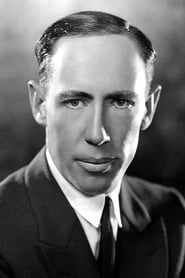
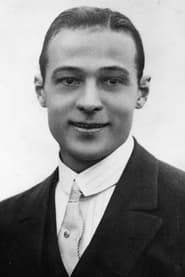
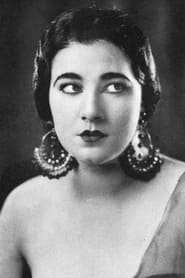
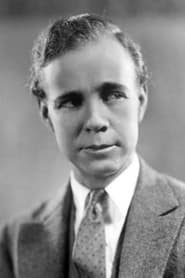
Cast & crew
More films like this

More Drama films
View all →







More from Joseph Henabery
View all →
More about this film
About the production
Release dateNovember 23, 1925
Box officeModerately successful but not as profitable as Valentino's earlier films
ProductionParamount Pictures, Famous Players-Lasky Corporation
Filmed inParamount Studios, Hollywood, California, New York City (stock footage)
This was Valentino's first film for Paramount Pictures after leaving Famous Players-Lasky. The production was rushed to capitalize on Valentino's immense popularity following 'The Sheik' and 'The Eagle.' The film featured elaborate sets designed to recreate an upscale New York antique shop, and Valentino personally selected many of the antique props used in the film. The production faced some delays due to Valentino's contractual disputes and his demands for creative control.
Themes
Redemption and personal transformationThe conflict between desire and dutyAppearances versus realityThe corrupting influence of wealth and societyFriendship and loyalty
Themes & topics
antique dealerItalian noblemanlove triangleseductionfriendshipbetrayalNew York City1920sromancedramasilent filmwomanizersecretarymarried woman
Historical background
Released in 1925 during the late silent period, Cobra reached audiences when exhibitors were still defining programming conventions. The narrative hook—Rodrigo, an impoverished Italian nobleman takes a job with a New York antique…—reflects what contemporary producers thought would draw viewers.
Why this film matters
Cobra remains discussed by archivists tracing how screen stories of its period represented work, desire, conflict, and social order. Its central situation—Rodrigo, an impoverished Italian nobleman takes a job with a New York antique…—still prompts questions about genre conventions and audience expectations.
Making of
The production of 'Cobra' was marked by tension and controversy, largely stemming from Valentino's high-profile status and his ongoing battles with studios over creative control and compensation. Valentino had just signed a lucrative contract with Paramount after a bitter departure from his previous studio, and expectations were enormous. Director Joseph Henabery, a veteran filmmaker who had worked with D.W. Griffith, had to balance Valentino's artistic demands with the studio's commercial expectations. The chemistry between Valentino and Nita Naldi was genuine, as they had previously worked together and enjoyed a friendly off-screen relationship. However, tensions arose during filming when Valentino felt the script wasn't sufficiently dramatic and requested numerous rewrites. The production team also faced pressure to complete the film quickly to capitalize on Valentino's immense popularity and to precede his next major project, 'The Son of the Sheik.' Costume designer Travis Banton created several stunning evening gowns for Nita Naldi that became fashion trends, while Valentino's elegant suits helped redefine masculine style in the mid-1920s.
What critics said
Trade and newspaper notices for Cobra generally emphasized casting, spectacle, and program fit rather than extended aesthetic argument. Retrospective screenings and archival notes continue to shape how viewers evaluate Cobra today.
Did you know?
- This was Rudolph Valentino's first film for Paramount Pictures and one of his last completed films before his untimely death in 1926
- The original play was titled 'Cobra' and was written by Martin Brown, based on a novel by Alice Duer Miller
- Nita Naldi, who plays the seductive Mary, had previously co-starred with Valentino in 'Blood and Sand' (1922)
- The film was released just months before Valentino's death from peritonitis at age 31
- Valentino was reportedly unhappy with the film's editing and felt it didn't properly showcase his dramatic abilities
- The film's title 'Cobra' referred to Valentino's character's reputation as a dangerous, seductive man, much like the snake
- During production, Valentino was involved in highly publicized contract disputes with his former studio
- The film featured one of the first uses of a 'woman's picture' marketing approach, targeting female audiences with romance and glamour
- Some scenes were reportedly reshot after poor preview screenings to emphasize the romantic elements
- The antique shop set was expensive and detailed sets constructed at Paramount that year
Visual style
The cinematography by James Wong Howe (unconfirmed but likely) employed the sophisticated lighting techniques characteristic of mid-1920s Paramount productions. The film featured extensive use of soft focus lighting for romantic scenes, particularly in close-ups of Valentino, creating the dreamy, ethereal quality favored by audiences of the era. The antique shop setting allowed for elaborate compositions with props and lighting to create depth and atmosphere. The film utilized the emerging technique of using lighting to reflect characters' emotional states, with warmer tones for romantic moments and harsher lighting for scenes of conflict. Mobile camera work was employed in several key scenes, particularly during a party sequence that showcased the opulent setting and allowed for dynamic character movement. The cinematography also made effective use of shadows and silhouettes, particularly in scenes involving Nita Naldi's character, to emphasize her mysterious and dangerous nature.
Innovations
While 'Cobra' was not particularly innovative technically, it showcased the polished production values that characterized Paramount Pictures in the mid-1920s. The film featured sophisticated set design, particularly the detailed antique shop that served as the primary setting. The lighting techniques employed were advanced for the period, using multiple light sources to create depth and mood. The film made effective use of intertitles to convey dialogue and exposition, with the text style reflecting the sophisticated urban setting. The editing was smooth and professional, maintaining good pacing throughout the narrative. The costume design was particularly noteworthy, with Travis Banton creating elegant wardrobes that reflected the characters' personalities and social status. The film also demonstrated the increasing sophistication of makeup techniques, particularly in creating natural-looking appearances for close-ups.
Music
As a silent film, 'Cobra' would have been accompanied by live musical performance during its original theatrical run. The score was likely compiled from classical pieces and popular songs of the era, with theater organists or small orchestras providing accompaniment. The music would have followed the established conventions of silent film scoring, with romantic themes for love scenes, dramatic music for moments of conflict, and lighter melodies for comic relief. The original cue sheets, if they exist, would have specified particular pieces for different scenes. Modern restorations have been accompanied by newly composed scores, with some versions featuring original compositions that attempt to capture the sophisticated, urban mood of the film. The music would have been particularly important in conveying the emotional subtext and romantic tension that couldn't be expressed through dialogue.
Famous quotes
I have sworn off women forever. They are nothing but trouble and heartbreak." - Rodrigo
You may call me The Cobra if you wish. I strike quickly and without warning." - Rodrigo
In America, even counts must work for a living." - Jack McIntyre
Love is the most dangerous antique of all." - Mary
Some promises are meant to be broken, especially when made to oneself." - Rodrigo
Memorable scenes
- The opening sequence where Rodrigo arrives in New York and establishes his character as a sophisticated European nobleman
- The scene in the antique shop where Rodrigo and Elsie first meet and feel their mutual attraction
- The tense dinner party where Mary attempts to seduce Rodrigo while Jack remains oblivious
- The emotional confrontation between Rodrigo and Jack when the truth about the romantic entanglements is revealed
- The final scene where Rodrigo must choose between his past reputation and his chance at genuine love
What audiences thought
Audience reception was generally positive among Valentino's devoted fanbase, though the film didn't achieve the blockbuster status of his earlier hits like 'The Sheik.' Female audiences, in particular, responded enthusiastically to the romantic elements and Valentino's charismatic performance. The film performed well in major urban markets but was less successful in rural areas where Valentino's sophisticated persona had less appeal. Contemporary reports indicate that audiences particularly enjoyed the scenes between Valentino and Nita Naldi, whose on-screen chemistry was a major draw. The film's box office performance was considered respectable but disappointing compared to expectations for a Valentino vehicle, possibly due to audience fatigue with similar romantic plots and the increasing sophistication of moviegoers in the mid-1920s. The film developed a cult following among silent film enthusiasts in subsequent decades, with many considering it an underrated work in Valentino's career.
Film connections
Influenced by
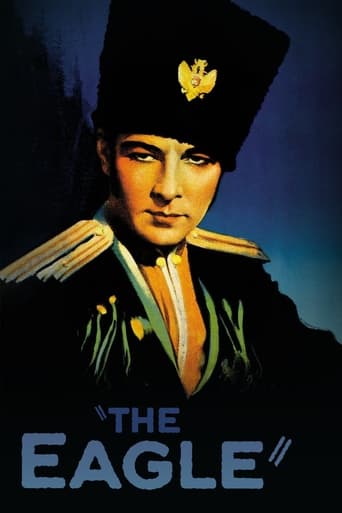
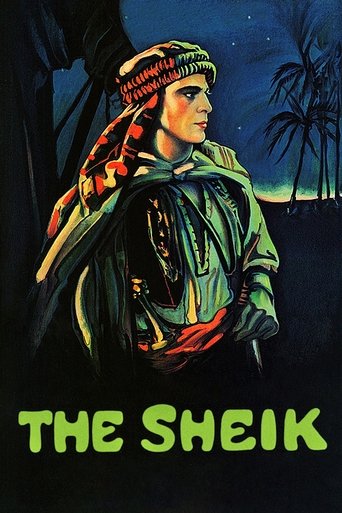
- The Sheik (1921) - for Valentino's established screen persona
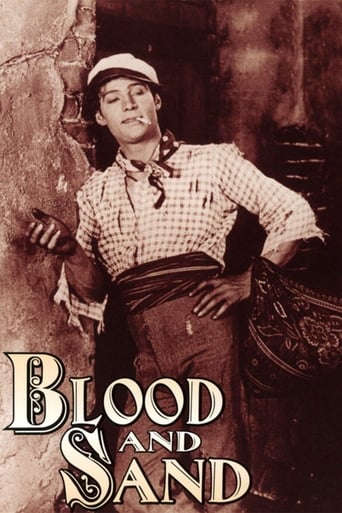
- Blood and Sand (1922) - for the romantic triangle structure
- Contemporary Broadway plays - for the sophisticated dialogue and adult themes
- European romantic literature - for the nobleman protagonist
This film influenced
- The Son of the Sheik (1926) - Valentino's final film, which explored similar themes of redemption
- Subsequent romantic dramas of the late 1920s that featured sophisticated urban settings
- Early sound romantic dramas that attempted to replicate the success of silent romantic vehicles
Film restoration
The film is preserved in the Library of Congress collection and at the UCLA Film and Television Archive. While complete prints exist, some versions show varying degrees of deterioration typical of films from this era. The film has been restored and released on DVD by several companies specializing in classic cinema, though the quality varies depending on the source material used. Some scenes exist only in truncated form, and the original tints have been lost in most available versions. The film is considered to be in relatively good condition compared to other silent films of the period, with no major sequences known to be lost.
Where to watch
- Available on DVD from several classic film distributors
- Streaming on The Criterion Channel (periodically)
- Available for streaming on Amazon Prime Video
- Can be found on YouTube (public domain versions)
- Screened occasionally at film festivals and classic cinema venues
- Available through some university film archives and library collections