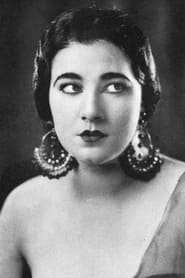
Nita Naldi
Actor
Born: April 13, 1894 in New York City, New York, USA Died: February 17, 1961 Active: 1920-1929 Birth Name: Mary Nonna Dooley
Films
4 films
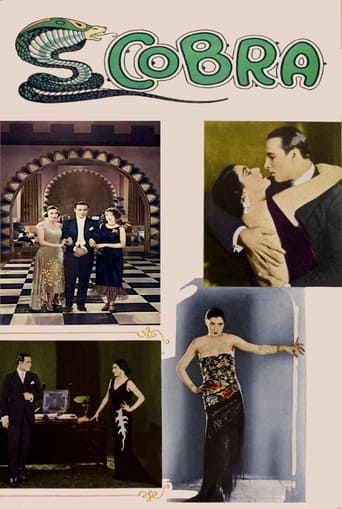
About Nita Naldi
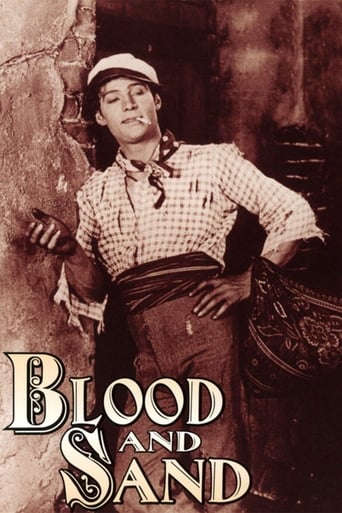
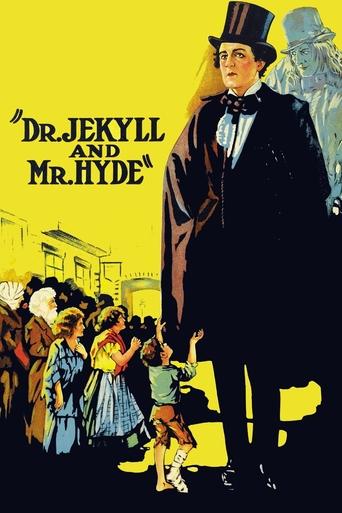
Nita Naldi, born Mary Nonna Dooley, was prominent 'vamp' actresses of the silent era, known for her exotic beauty and seductive screen presence. She began her career as a Ziegfeld Follies dancer before being discovered by screen star John Barrymore, who cast her in his 1920 film 'Dr. Jekyll and Mr. Hyde.' Her breakthrough role came in 1922's 'Blood and Sand' opposite Rudolph Valentino, where she played the femme fatale Doña Sol that catapulted her to international stardom. Naldi became one of the highest-paid actresses of the 1920s, commanding $7,500 per week at the height of her fame, and was frequently typecast as the dangerous seductress who lured men to their doom. She worked with many of the era's biggest stars including Valentino, Barrymore, and Pola Negri, appearing in over 30 films during her brief but impactful career. Her career declined with the advent of sound films, as her thick New York accent was considered unsuitable for talkies, leading to her retirement from acting in 1929. After leaving Hollywood, she returned to New York where she lived comfortably off her investments and occasionally appeared in stage productions until her death in 1961.
The Craft
On Screen
Naldi specialized in the 'vamp' archetype, portraying seductive, dangerous women with exotic allure. Her acting style emphasized smoldering glances, graceful movements, and a commanding screen presence that required minimal dialogue. She used her distinctive dark beauty and expressive eyes to convey complex emotions, often playing characters who were both alluring and threatening. Her performances were characterized by a natural sensuality and confidence that made her believable as the femme fatale who could bring powerful men to their knees.
Milestones
- Discovered by John Barrymore and cast in Dr. Jekyll and Mr. Hyde (1920)
- Breakthrough role as Doña Sol in Blood and Sand (1922)
- Became one of highest-paid silent film actresses at $7,500/week
- Starred opposite Rudolph Valentino in multiple films
- Transitioned from Ziegfeld Follies dancer to film star
- Retired successfully before sound era completely changed the industry
Best Known For
Iconic Roles
Must-See Films
Accolades
Special Recognition
- Hollywood Walk of Fame star (located at 6316 Hollywood Blvd)
Working Relationships
Worked Often With
Studios
Why They Matter
Impact on Culture
Nita Naldi helped define the 'vamp' archetype in silent cinema, influencing how dangerous, sexually empowered women were portrayed on screen. Her exotic look and confident demeanor challenged the era's norms about female sexuality, paving the way for more complex female characters. She represented the Jazz Age's fascination with sophistication, danger, and moral ambiguity, becoming a style icon for women who wanted to project confidence and independence. Her success as a woman of Irish heritage playing exotic 'foreign' characters also highlighted Hollywood's flexible approach to casting and the public's appetite for mystery and intrigue.
Lasting Legacy
Naldi remains a significant figure in silent film history as one of the era's most recognizable vamps and a symbol of 1920s glamour and sophistication. Her films, particularly those with Valentino, continue to be studied and screened at classic film festivals worldwide. She exemplifies the type of star who achieved massive fame in a brief period but successfully transitioned out of the spotlight, unlike many of her contemporaries who struggled with the transition to sound. Her business savvy and successful retirement set an example for future generations of entertainers about the importance of financial planning. The preservation of her films ensures that her distinctive screen presence continues to captivate new audiences interested in silent cinema.
Who They Inspired
Naldi's portrayal of the vamp influenced subsequent generations of actresses playing femme fatales, from pre-code Hollywood to film noir. Her success proved that audiences would embrace complex, morally ambiguous female characters, expanding the range of roles available to women in cinema. Her confident, sexually autonomous screen persona helped challenge restrictive gender stereotypes of the early 20th century. Later actresses such as Theda Bara, Pola Negri, and even modern stars playing similar roles owe a debt to Naldi's work in establishing the vamp as a compelling, bankable character type.
Off Screen
Naldi was known for her sharp wit and business acumen, investing her film earnings wisely which allowed her to retire comfortably. She never married but had numerous high-profile relationships, including rumored romances with Rudolph Valentino and director James Kirkwood. After retiring from films, she returned to New York and lived a relatively private life, occasionally appearing in Broadway productions. She was known for her generosity and supported various charities throughout her life. Her later years were spent in her Park Avenue apartment where she entertained friends and maintained her connections to the entertainment industry.
Education
Attended Catholic schools in New York City; studied dance as a child
Did You Know?
- Was discovered by John Barrymore while performing in the Ziegfeld Follies
- Her stage name 'Naldi' was inspired by Italian opera singer Eugenia Naldi
- At the height of her fame, she earned $7,500 per week, equivalent to over $100,000 today
- She was one of the few actresses who successfully retired before the sound revolution
- Her thick New York accent made her unsuitable for talkies, contributing to her early retirement
- She invested her earnings wisely and never needed to work after retiring from films
- Appeared in the first film version of 'The Ten Commandments' (1923)
- Was known as 'The Vamp of the Vamps' in the press
- Stood only 5'3" tall but had a commanding screen presence
- Her personal wardrobe was as glamorous as her film costumes, making her a fashion trendsetter
In Their Own Words
I never wanted to be a star. I wanted to be an actress. There's a difference.
The camera loves a woman who knows who she is, and I always knew exactly who I was.
Playing the vamp wasn't about being evil, it was about being powerful. In those days, a powerful woman was considered dangerous.
I made enough money to last a lifetime. That's the real success story.
Rudy (Valentino) was a gentleman. The press created stories about us because they sold papers.
Frequently Asked Questions
Who was Nita Naldi?
Prominent silent film actress of the 1920s, best known for playing vamp roles and femme fatale characters. She starred opposite major stars like Rudolph Valentino and John Barrymore, becoming one of the highest-paid actresses of her era before retiring successfully before the transition to sound films.
What films is Nita Naldi best known for?
Titles linked here include Blood and Sand (1922), Dr. Jekyll and Mr. Hyde (1920).
When was Nita Naldi born and when did she die?
Born April 13, 1894; died February 17, 1961.
What awards did Nita Naldi win?
While Nita Naldi did not receive major film awards during her career, she was honored with a star on the Hollywood Walk of Fame at 6316 Hollywood Blvd, recognizing her significant contributions to silent cinema.
What was Nita Naldi's acting style?
Naldi specialized in playing the 'vamp' archetype, using her exotic beauty, expressive eyes, and confident demeanor to portray seductive, dangerous women. Her style emphasized sensuality and power through subtle gestures and smoldering glances rather than dramatic movements.
Why did Nita Naldi retire from acting?
Naldi retired from acting in 1929 primarily due to the advent of sound films, as her thick New York accent was considered unsuitable for talkies. Having invested her earnings wisely, she was financially secure and chose to retire at the height of her popularity rather than struggle with the industry transition.
Did Nita Naldi ever marry?
No, Nita Naldi never married despite being linked romantically to several co-stars including Rudolph Valentino. She lived independently and managed her own finances, which was unusual for women of her time.
How did Nita Naldi get her start in films?
Naldi began as a dancer in the Ziegfeld Follies before being discovered by John Barrymore, who cast her in his 1920 film 'Dr. Jekyll and Mr. Hyde.' This breakthrough role launched her film career and led to her becoming a major star of the silent era.