Hector Sarno
Actor
Born: April 24, 1880 in Naples, Italy Died: December 16, 1953 Active: 1912-1930 Birth Name: Hector V. Sarno
Films
2 films
About Hector Sarno
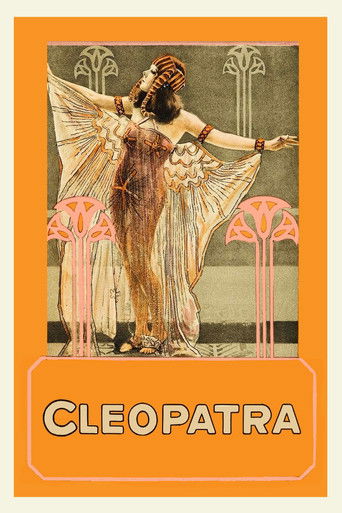
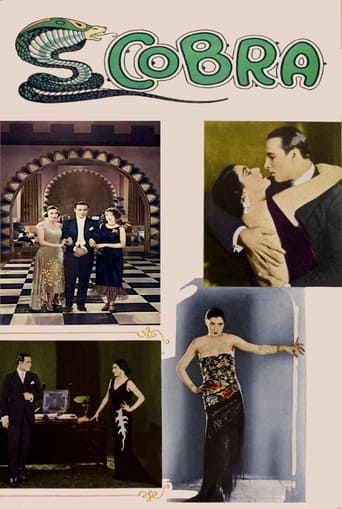
Hector V. Sarno — Italian-American actor who became a prolific character performer during the silent film era. Born in Naples, Italy in 1880, Sarno began his career on the Italian stage before emigrating to the United States and transitioning to cinema. He made his film debut around 1912 and quickly established himself as a reliable supporting actor, often cast in villainous or authoritative roles due to his distinctive appearance and commanding presence. Throughout his career, which spanned nearly two decades, Sarno appeared in over 150 films, working with some of the biggest stars of the silent era including Theda Bara in Cleopatra (1917) and Rudolph Valentino in Cobra (1925). His ability to portray various ethnic characters made him a valuable asset to Hollywood studios during a time when character actors were essential for creating atmospheric and authentic period pieces. As the film industry transitioned to sound, Sarno's career gradually diminished, though he continued to appear in smaller roles through the late 1920s and early 1930s. He retired from acting in the early 1930s and spent his remaining years in Los Angeles until his death in 1953.
The Craft
On Screen
Sarno's acting style was typical of the silent era, emphasizing exaggerated gestures and facial expressions to convey emotion without dialogue. He specialized in portraying authoritative or villainous characters, using his commanding presence and distinctive features to create memorable antagonists. His background in Italian theater influenced his dramatic approach, bringing theatrical intensity to his film performances. Sarno was particularly skilled at ethnic characterizations, which were in demand during the early Hollywood period.
Milestones
Best Known For
Iconic Roles
Must-See Films
Working Relationships
Worked Often With
Studios
Why They Matter
Impact on Culture
Hector Sarno contributed to the silent cinema by providing essential character support to the era's biggest stars. His ability to portray diverse ethnic characters helped Hollywood create more authentic international settings during a time when the industry was expanding its global storytelling ambitions. Sarno's work in major productions like Cleopatra and Cobra demonstrated the importance of skilled character actors in creating the immersive worlds that silent film audiences expected. His career trajectory also reflects the broader pattern of many European actors who found success in early Hollywood before facing challenges with the transition to sound.
Lasting Legacy
While not a household name, Hector Sarno's legacy lives on through his contributions to classic silent cinema. His appearances in over 150 films helped establish the foundation for character acting in Hollywood, demonstrating the crucial role that supporting players play in the success of motion pictures. Film historians and silent cinema enthusiasts recognize Sarno as part of the essential ensemble of actors who made the silent era's grand productions possible. His work serves as a valuable record of early 20th century film acting techniques and the international nature of early Hollywood casting.
Who They Inspired
Sarno influenced subsequent generations of character actors by demonstrating the importance of versatility and reliability in supporting roles. His ability to seamlessly transition between different types of characters and genres set a standard for character actors who would follow. His successful adaptation from European stage traditions to American film techniques provided a model for other immigrant actors seeking careers in Hollywood. Though not widely documented, his work ethic and adaptability during the rapid changes of early cinema likely inspired younger actors in the industry.
Off Screen
Hector Sarno emigrated from Italy to the United States in the early 1910s, bringing with him extensive theatrical experience from his native country. He settled in the Los Angeles area to pursue his film career and remained there for the rest of his life. Little is documented about his personal relationships or family life, as was common for many character actors of the silent era who lived relatively private lives away from the spotlight. After retiring from acting in the early 1930s, he lived a quiet life in Los Angeles until his death at age 73.
Education
Stage training in Italian theater before emigrating to the United States
Did You Know?
- Sometimes credited as Ettore Sarno in early films
- Appeared in both versions of The Ten Commandments (1923 and 1956 as an extra)
- Was one of the few Italian actors to successfully transition to Hollywood during the silent era
- His active years covered the entire golden age of silent cinema
- Worked with both Theda Bara and Rudolph Valentino, two of the era's biggest stars
- Often cast as exotic or foreign characters due to his Mediterranean appearance
- Survived the transition from short films to feature-length productions
- His filmography includes many lost films from the silent era
- Was part of the stock company system that dominated early Hollywood
- Retired shortly after the transition to sound films began
In Their Own Words
The silent screen demands that we speak with our eyes and hands, not our voices.
Frequently Asked Questions
Who was Hector Sarno?
What films is Hector Sarno best known for?
When was Hector Sarno born and when did he die?
Born April 24, 1880; died December 16, 1953.
What awards did Hector Sarno win?
Hector Sarno did not receive any major awards or nominations during his career, which was typical for character actors of the silent era who were often overlooked by award institutions.
What was Hector Sarno's acting style?
Sarno's acting style emphasized the dramatic gestures and expressive facial techniques required for silent film performance, specializing in villainous and authoritative character roles with theatrical intensity drawn from his Italian stage background.