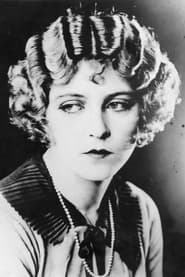
Eileen Percy
Actor
Born: August 21, 1895 in Belfast, Ireland Died: July 29, 1973 Active: 1917-1927 Birth Name: Eileen Mary Percy
Films
9 films
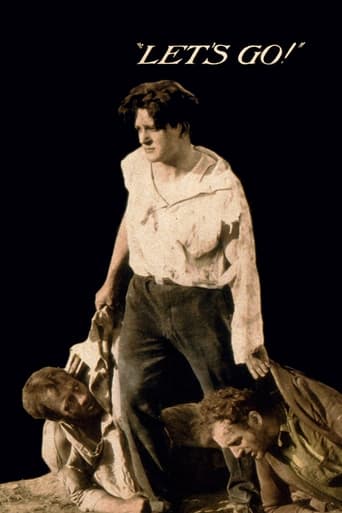
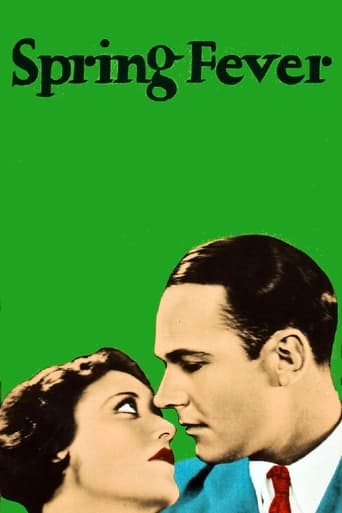
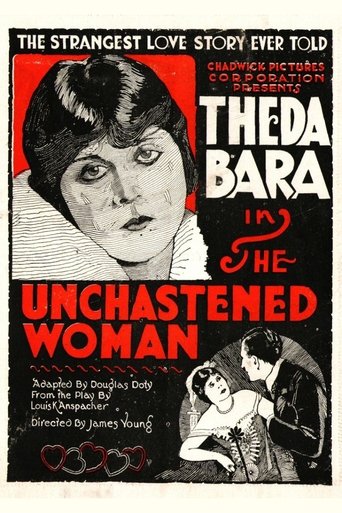
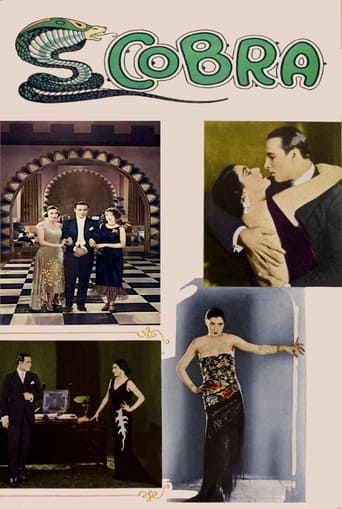
About Eileen Percy
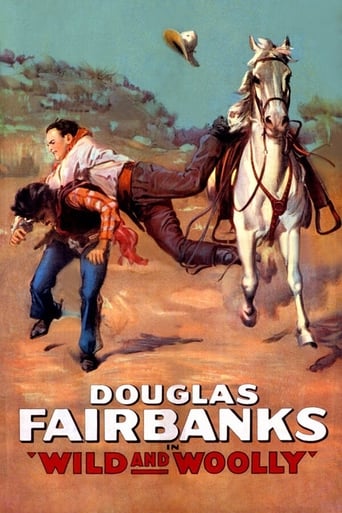
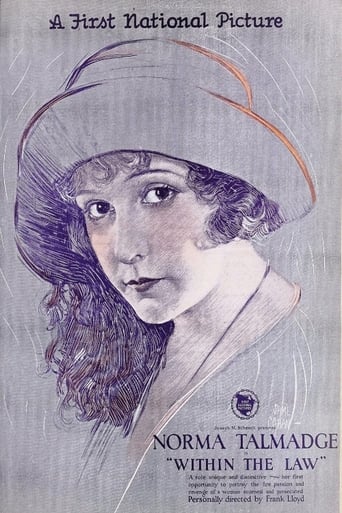
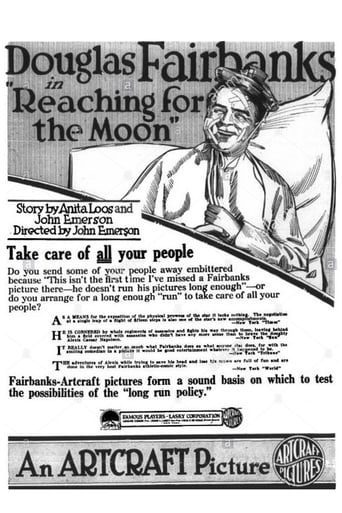
Prominent silent film actress who began her career during the golden age of Hollywood's silent era. Born in Belfast, Ireland, she moved to the United States and made her film debut in 1917 with Douglas Fairbanks in 'Wild and Woolly,' which immediately established her as a promising leading lady. Throughout the 1910s and early 1920s, she became sought-after actresses at Paramount Pictures and later at other major studios, known for her versatility in both comedy and dramatic roles. Percy worked with many of the era's biggest stars and directors, appearing in over 50 films during her decade-long career. Her performances in films like 'Within the Law' (1923) and 'The Unchastened Woman' (1925) showcased her ability to portray complex characters with emotional depth. By the late 1920s, as the transition to sound films began, Percy gradually reduced her film appearances and eventually retired from acting in 1927, leaving behind a legacy as one of the silent era's most talented and beautiful actresses.
The Craft
On Screen
Eileen Percy was known for her naturalistic acting style that stood out even in the exaggerated era of silent film performance. She possessed a remarkable ability to convey subtle emotions through her expressive eyes and delicate facial expressions, making her particularly effective in dramatic roles. Her comedic timing was equally impressive, allowing her to excel in light romantic comedies alongside her dramatic work. Percy had a graceful screen presence and moved with an elegance that made her particularly suitable for sophisticated, upper-class characters.
Milestones
- Film debut opposite Douglas Fairbanks in 'Wild and Woolly' (1917)
- Leading lady at Paramount Pictures during the silent era
- Starred in over 50 films in a decade-long career
- Successful transition from comedy to dramatic roles
- Worked with major directors like Allan Dwan and John Francis Dillon
Best Known For
Iconic Roles
Must-See Films
Accolades
Special Recognition
- Star on the Hollywood Walk of Fame for Motion Pictures
Working Relationships
Worked Often With
Studios
Why They Matter
Impact on Culture
Eileen Percy represented the ideal of the sophisticated, modern woman of the 1920s, both on and off screen. Her characters often embodied the changing social dynamics of the Jazz Age, portraying women who were independent yet feminine, ambitious yet romantic. Through her work in social issue films like 'Within the Law,' she helped bring attention to contemporary social problems while maintaining mainstream appeal. Her successful career during the transformative period from the late teens to the mid-1920s made her a transitional figure between the early primitive cinema and the mature silent film era.
Lasting Legacy
Eileen Percy's legacy lies in her contribution to the development of the sophisticated leading lady archetype in American cinema. Though largely forgotten by mainstream audiences today, film historians recognize her as a significant figure who helped establish the template for the modern film actress. Her performances demonstrated that silent film acting could be nuanced and naturalistic, influencing subsequent generations of performers. The preservation of her films in archives ensures that her contribution to cinema history remains accessible to scholars and enthusiasts of silent film.
Who They Inspired
Percy influenced the evolution of screen acting by demonstrating that subtlety and naturalism could be more effective than the theatrical gestures common in early cinema. Her ability to successfully transition between comedy and drama set a precedent for versatility that would become expected of leading actresses. Younger actresses of the silent era studied her techniques for conveying emotion through minimal means, a skill that became particularly valuable as films became more psychologically complex.
Off Screen
Eileen Percy married wealthy businessman William S. Flannery in 1927, the same year she retired from acting. The marriage marked a significant transition in her life as she left the film industry behind to focus on her family and social responsibilities. She and her husband maintained homes in both Beverly Hills and New York, becoming prominent figures in high society circles. After her husband's death, Percy lived a relatively private life, occasionally attending film retrospectives and silent film festivals where she was celebrated as one of the last surviving stars from the golden age of silent cinema.
Education
Educated in Ireland before moving to the United States; received additional training in dramatic arts in New York
Family
- William S. Flannery (1927-1952)
Did You Know?
- Made her film debut in Douglas Fairbanks' 'Wild and Woolly' (1917)
- Was discovered by a talent scout while working as a model in New York
- Stood at 5'4" with striking red hair and green eyes
- Was one of the highest-paid actresses of the early 1920s
- Retired from acting at the height of her career in 1927
- Spoke fluent Irish Gaelic throughout her life
- Was an accomplished horsewoman and performed many of her own stunts
- Invested wisely in real estate during her acting career
- Lived to see the revival of interest in silent films in the 1960s
- Attended the 50th anniversary celebration of Hollywood in 1973, shortly before her death
In Their Own Words
The silent screen demanded more from an actor than the talkies ever could - you had to speak with your entire being.
Working with Douglas Fairbanks was like learning from a master of cinema; he taught me everything about screen presence.
Frequently Asked Questions
Who was Eileen Percy?
Irish-American silent film actress who starred in over 50 films between 1917 and 1927. She was known for her work with Douglas Fairbanks and as a leading lady at Paramount Pictures during the golden age of silent cinema.
What films is Eileen Percy best known for?
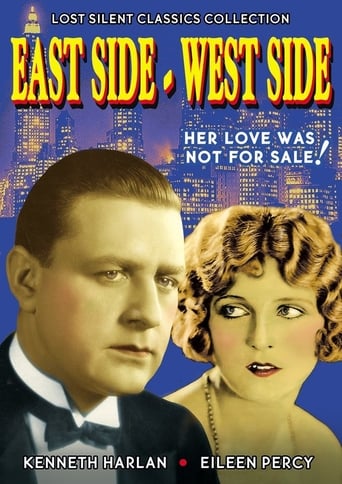
Titles linked here include Wild and Woolly (1917), Within the Law (1923).
When was Eileen Percy born and when did she die?
Born August 21, 1895; died July 29, 1973.
What awards did Eileen Percy win?
While Eileen Percy did not receive major film awards during her career (as the Academy Awards were established after her retirement), she was honored with a star on the Hollywood Walk of Fame for her contributions to motion pictures.
What was Eileen Percy's acting style?
Eileen Percy was known for her naturalistic acting style that emphasized subtle emotions and expressive performances. She moved beyond the theatrical gestures common in early silent films, using her eyes and facial expressions to convey complex emotions with remarkable depth and authenticity.