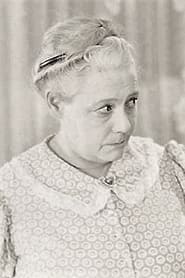
Lillian Langdon
Actor
Born: November 13, 1865 in New York City, New York, USA Died: February 8, 1943 Active: 1916-1925
Films
7 films
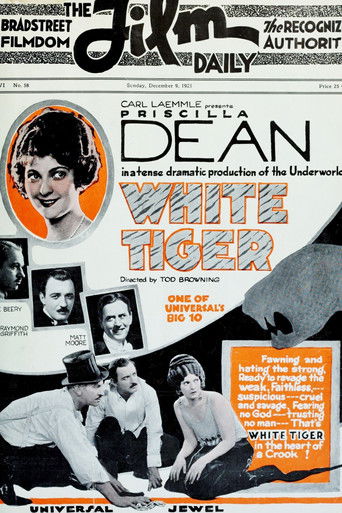
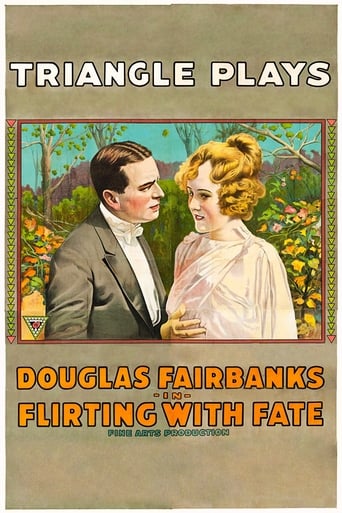
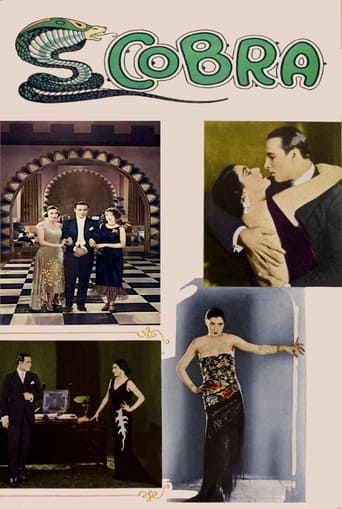
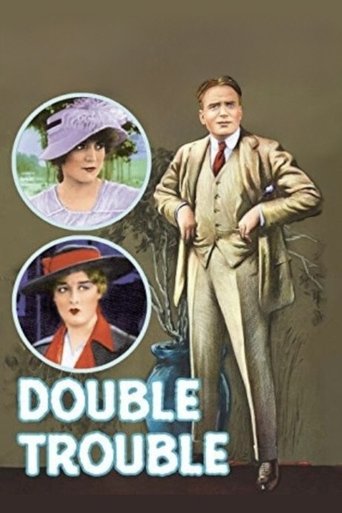
About Lillian Langdon
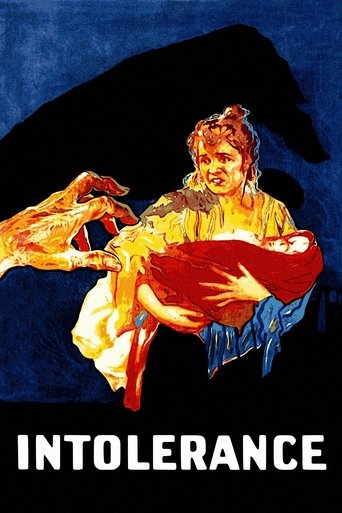
American actress who worked primarily during the silent film era, appearing in numerous films between 1916 and 1925. She began her career in the mid-1910s and quickly established herself as a reliable character actress, often playing maternal figures, aristocratic women, or society ladies. Her most notable role came in D.W. Griffith's ambitious epic 'Intolerance: Love's Struggle Throughout the Ages' (1916), where she appeared as one of the Babylonian court ladies. Throughout her career, she worked with prominent directors of the era and appeared alongside some of the biggest stars of silent cinema. Her filmography includes over 30 films, though many are now lost, as was common with silent films of that period. Langdon retired from acting in 1925, coinciding with the transition to sound films, and little is known about her later life. Her contributions to early cinema, while not as celebrated as some of her contemporaries, represent the important work of character actors who helped build the foundation of Hollywood's Golden Age.
The Craft
On Screen
Lillian Langdon was known for her subtle and restrained acting style, which was particularly valuable in silent films where exaggerated gestures were common. She specialized in portraying aristocratic and maternal characters with grace and dignity, using minimal but effective facial expressions and body language to convey emotion. Her naturalistic approach to acting set her apart from many of her contemporaries who relied heavily on melodramatic gestures.
Milestones
- Appeared in D.W. Griffith's 'Intolerance' (1916)
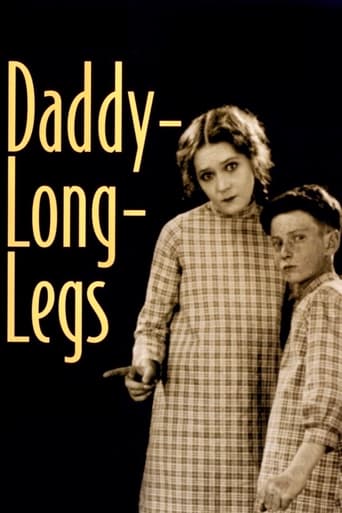
- Worked with Mary Pickford in 'Daddy-Long-Legs' (1919)
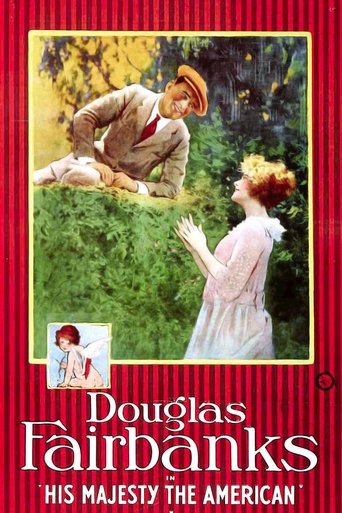
- Collaborated with Douglas Fairbanks in 'His Majesty, the American' (1919)
- Established herself as a reliable character actress in silent films
- Appeared in over 30 films during her decade-long career
Best Known For
Iconic Roles
Must-See Films
Working Relationships
Worked Often With
Studios
Why They Matter
Impact on Culture
Lillian Langdon contributed to the development of character acting in silent cinema, particularly in portraying sophisticated and maternal roles that provided emotional depth to ensemble casts. Her work in 'Intolerance' as part of Griffith's ambitious epic helped establish the template for large-scale historical dramas. Though not a star, her consistent presence in quality productions of the era demonstrated the importance of reliable supporting actors in building the foundation of Hollywood's narrative techniques.
Lasting Legacy
Lillian Langdon's legacy lies in her contribution to the golden age of silent cinema as a skilled character actress who brought authenticity and dignity to supporting roles. Her performances in major productions of the 1910s and early 1920s helped establish the importance of ensemble acting in American cinema. While many of her films are now lost, her work survives in several important silent classics that continue to be studied by film historians and enthusiasts.
Who They Inspired
As an older actress who successfully transitioned into film during the silent era, Langdon helped pave the way for mature character actresses in Hollywood. Her naturalistic acting style influenced subsequent generations of character actors who recognized the power of subtlety over melodrama. Her work with prominent directors like Griffith contributed to the development of acting techniques that would become standard in American cinema.
Off Screen
Lillian Langdon was born in New York City in 1865, making her relatively older when she began her film career in her early fifties. She married Edward J. Langdon and was widowed before entering the film industry. After her retirement from acting in 1925, she lived a quiet life away from the public eye. She passed away in Los Angeles, California in 1943 at the age of 77.
Family
- Edward J. Langdon (until his death)
Did You Know?
- Began her film career at age 51, making her one of the older actresses to debut in silent films
- Appeared in D.W. Griffith's 'Intolerance' during the same year as her film debut
- Many of her films are now considered lost due to the deterioration of nitrate film stock
- Often played characters much younger than her actual age due to her elegant appearance
- Retired from acting just as the transition to sound films began in the late 1920s
- Worked with three of the biggest stars of the silent era: Pickford, Fairbanks, and Griffith
- Her active years covered exactly one decade, from 1916 to 1925
- Was part of the massive cast of 'Intolerance', which featured thousands of extras
- Specialized in portraying upper-class society women, a type she could convincingly portray due to her dignified demeanor
Frequently Asked Questions
Who was Lillian Langdon?
American actress who worked during the silent film era from 1916 to 1925, known for her roles as character actress portraying aristocratic and maternal figures in numerous films of the period.
What films is Lillian Langdon best known for?
Titles linked here include Intolerance: Love's Struggle Throughout the Ages (1916), Daddy-Long-Legs (1919).
When was Lillian Langdon born and when did she die?
Born November 13, 1865; died February 8, 1943.
What awards did Lillian Langdon win?
Lillian Langdon did not receive any major awards during her career, as she worked primarily during the silent era before the establishment of major film awards like the Academy Awards.
What was Lillian Langdon's acting style?
Langdon was known for her subtle and restrained acting style, specializing in portraying sophisticated society women with naturalistic performances that contrasted with the exaggerated gestures common in silent cinema.
How old was Lillian Langdon when she started her film career?
Lillian Langdon began her film career at age 51 in 1916, making her one of the older actresses to debut in the silent film era.
Why did Lillian Langdon retire from acting?
Langdon retired in 1925, coinciding with the transition from silent films to talkies, and like many actors of her generation, chose not to adapt to the new sound technology.