
Flirting with Fate
"All for depression"
Keys: Space play/pause · ←/→ 10s · F fullscreen · M mute · </> speed
About this film
In the midst of an emotional depression, a man hires a murderer to kill him. But the despair soon passes, and the man must now escape the killer he's hired to end his life.
Cast & crew
More films like this
More Adventure films
View all →

More from Christy Cabanne
View all →
More about this film
About the production
Release dateOctober 8, 1916
Box officeSuccessful - Fairbanks films were reliable box office draws, though exact figures are not documented
ProductionFine Arts Film Company, Triangle Film Corporation
Filmed inLos Angeles, California, Triangle Studios, Various outdoor locations around Hollywood
This was one of Fairbanks' early starring vehicles that helped establish his athletic screen persona. The film featured elaborate stunt sequences that Fairbanks performed himself, including dangerous falls and acrobatic escapes that would become his trademark. Production was relatively quick, typical of the era, taking only a few weeks to complete.
Themes
Redemption through loveThe absurdity of despairYouthful optimism vs. cynicismThe value of lifeComic irony
Themes & topics
Historical background
Made in its country of production around 1916, Flirting with Fate belongs to the silent era's formative years. Its story of in the midst of an emotional depression, a man hires a murderer to kill him spoke to audiences of the day through familiar genres and topical settings.
Why this film matters
Archivists and historians still cite Flirting with Fate when tracing how the silent era's formative years filmmakers staged midst and emotional on screen.
Making of
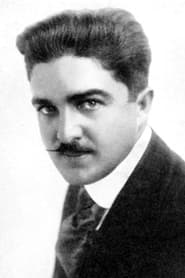
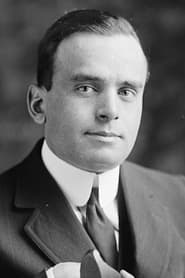
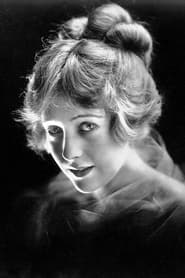
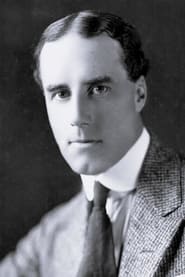
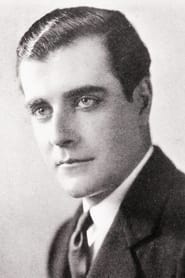
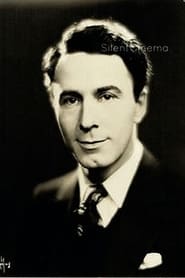
The production of 'Flirting with Fate' took place during a pivotal moment in Douglas Fairbanks' career, as he was transitioning from character actor to full-fledged movie star. Director Christy Cabanne, who had worked extensively with D.W. Griffith, brought a level of technical sophistication to the film that elevated it above typical comedies of the era. Fairbanks insisted on performing all his own stunts, including several dangerous falls and acrobatic sequences that required careful planning and coordination. The film's chase sequences were particularly challenging to film, requiring multiple locations and elaborate camera setups. Jewel Carmen, who played the female lead, was reportedly difficult to work with during production, creating tension on set despite her on-screen chemistry with Fairbanks. The assassin character, played by Howard Gaye, was intentionally cast against type to create an unexpected villain presence. The film's darker comedic elements were somewhat controversial during production, with studio executives initially concerned about the suicide-hiring premise, but Fairbanks' charm ultimately won them over.
What critics said
Reviews from 1916 weighed Flirting with Fate on pacing, performance, and novelty. Later criticism reads its emphasis on midst, emotional, depression through modern standards of craft and representation.
Did you know?
- was released during Douglas Fairbanks' transition from supporting actor to major star, helping cement his status as a leading man.
- The assassin character was played by Howard Gaye, who was better known for playing Jesus Christ in religious films like 'Intolerance' (1916).
- Director Christy Cabanne was a protégé of D.W. Griffith and worked extensively with Fairbanks during this period.
- The film's premise of hiring one's own murderer was considered quite dark for a comedy in 1916, showing Fairbanks' willingness to take risks.
- Many of the physical comedy sequences were improvised by Fairbanks during filming, showcasing his natural athletic ability.
- The film was part of Triangle Film Corporation's prestigious 'Triangle' brand, which promised higher quality productions.
- Jewel Carmen was Fairbanks' frequent co-star during this period and was romantically linked to him off-screen.
- The film's success led to Fairbanks demanding more creative control over his subsequent projects.
- Original promotional materials emphasized Fairbanks' death-defying stunts more than the romantic plot.
- The film was released just months before Fairbanks married Mary Pickford, marking the end of his early career phase.
Visual style
The cinematography by William F. 'Billy' Bitzer and Victor Fleming employed the relatively sophisticated techniques of the period, including dynamic camera movement during chase sequences and careful composition of action scenes. The film utilized location shooting around Los Angeles to create visual variety, contrasting interior sets with outdoor action sequences. The camera work during Fairbanks' stunt sequences was particularly notable for its ability to capture the full range of his athletic movements while maintaining clear narrative focus. The film's visual style reflected the growing sophistication of Hollywood cinematography in 1916, moving away from the static camera work of earlier cinema toward more dynamic and engaging visual storytelling.
Innovations
While not groundbreaking in technical terms, 'Flirting with Fate' employed several notable techniques for its time, including elaborate stunt coordination and location shooting that went beyond typical studio productions. The film's chase sequences required careful planning and timing to achieve the desired comedic effect while maintaining narrative coherence. The production made effective use of multiple locations and sets to create visual variety and enhance the storytelling. Fairbanks' athletic performances pushed the boundaries of what was considered possible in action-comedy sequences of the era, requiring innovative camera setups and editing techniques to fully capture his movements.
Music
As a silent film, 'Flirting with Fate' would have been accompanied by live musical performance during its original theatrical run. The typical score would have been compiled from classical pieces and popular songs of the era, with music cues provided by the studio to theater organists or orchestras. The romantic scenes would have featured sweeping, melodic themes, while the chase and action sequences would have employed more frantic, rhythmic music. No original composed score was created specifically for the film, which was standard practice for productions of this scale in 1916. Modern screenings of restored versions often feature newly composed scores by silent film specialists.
Famous quotes
Life is too precious to throw away when love is waiting around the corner
I hired a man to kill me, but I never expected to find a reason to live
Death follows me, but love keeps me running
In the pursuit of life, I found myself running from death
The greatest adventure is finding a reason to live
Memorable scenes
- The opening scene where Fairbanks' character dramatically signs the murder contract, followed immediately by meeting his future love interest
- The elaborate chase sequence through downtown Los Angeles where Fairbanks must simultaneously evade the assassin while impressing his love interest
- The comedic misunderstanding scene where Fairbanks attempts to cancel the murder contract through increasingly desperate means
- The climactic confrontation where Fairbanks uses his athletic prowess to outsmart the assassin in a physical showdown
- The romantic rooftop scene where Fairbanks must hide from the killer while sharing a tender moment with his beloved
What audiences thought
The film was well-received by audiences in 1916, proving to be a commercial success for Triangle Film Corporation. Moviegoers particularly enjoyed Fairbanks' physical comedy and death-defying stunts, which were heavily promoted in the film's marketing campaign. The combination of romance, danger, and humor appealed to the broad audience base that Fairbanks was cultivating during this period. Contemporary newspaper reports indicated that theaters showing the film experienced good attendance, with many patrons returning for repeat viewings of Fairbanks' athletic sequences. The film's success helped solidify Fairbanks' status as a bankable leading man capable of carrying a feature film on his own.
Film connections
Influenced by
- Earlier D.W. Griffith comedies
- European slapstick traditions
- Mack Sennett comedies
- Stage comedy traditions
- Literary farce
This film influenced
- Later Fairbanks adventure-comedies
- Harold Lloyd comedies
- Buster Keaton chase sequences
- 1930s screwball comedies
- Modern action-comedy films
Film restoration
The film is partially preserved with some elements missing. A complete version does not survive in archives, though fragments and key sequences exist at the Library of Congress and the Museum of Modern Art. Some reels are believed to be lost, making it one of the many incomplete silent films in existence. The surviving elements have been preserved on 35mm film and digitized for archival purposes.
Where to watch
- The film is not commercially available on major streaming platforms
- Archival screenings occasionally occur at film museums and silent film festivals
- Some fragments may be available through academic film archives
- The film is part of the public domain but difficult to find complete
- Film enthusiasts occasionally share restored fragments through specialized silent film communities