
Wilbur Higby
Actor
Born: February 21, 1867 in Meriden, Connecticut, USA Died: December 1, 1934 Active: 1916-1925
Films
7 films

About Wilbur Higby
prolific American character actor during the silent film era — known for his distinctive appearance and reliable supporting performances. Born in 1867, he began his film career relatively late in life at nearly 50 years old, quickly establishing himself as a versatile character actor in Hollywood's burgeoning studio system. Higby worked extensively with directors like D.W. Griffith and appeared in numerous films for major studios including Fine Arts, Triangle, and Universal Pictures. His most notable collaborations were with director D.W. Griffith, where he appeared in several important productions of the late 1910s. Throughout his career from 1916 to 1925, Higby amassed over 100 film credits, typically playing authority figures, businessmen, or concerned fathers. His the peak years of silent cinema, ending as the industry transitioned to sound films. Higby's contributions, though often uncredited or in supporting roles, helped shape the visual storytelling techniques that defined American cinema's golden age.
The Craft
On Screen
Wilbur Higby was known for his naturalistic acting style that stood out during the exaggerated performance era of silent films. He brought a grounded, realistic approach to his character roles, often portraying middle-class businessmen, concerned fathers, or community authorities with understated dignity. His performances were marked by subtle facial expressions and restrained gestures, making him a reliable presence in ensemble casts. Higby had a distinctive appearance with his balding head and mustache, which made him instantly recognizable to audiences of the time.
Milestones
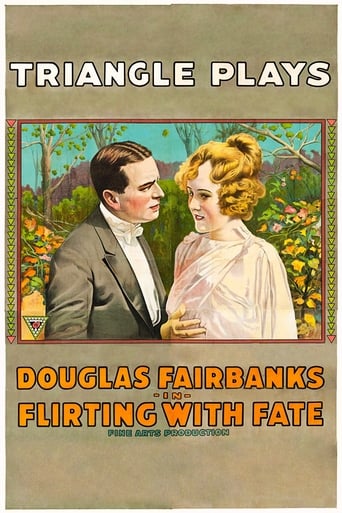
- Debut in 'Flirting with Fate' (1916)
- Multiple collaborations with D.W. Griffith
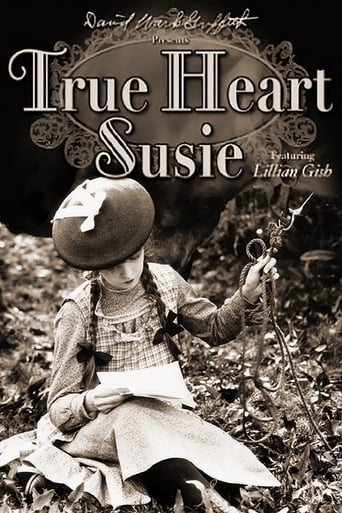
- Supporting role in 'True Heart Susie' (1919)
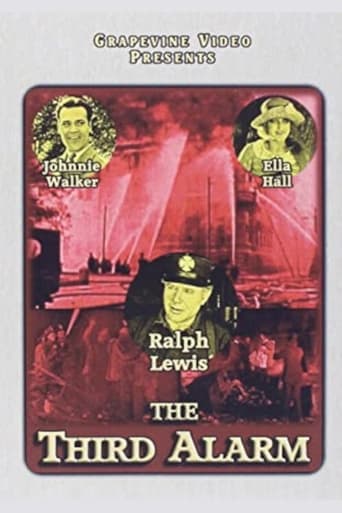
- Appearance in 'The Third Alarm' (1922)
- Over 100 film credits in a decade-long career
Best Known For
Iconic Roles
Must-See Films
Working Relationships
Worked Often With
Studios
Why They Matter
Impact on Culture
Wilbur Higby represents the essential but often overlooked character actors who formed the backbone of silent cinema. His consistent performances across numerous films helped establish the visual language of American narrative cinema during its formative years. While never a leading man, Higby's work in supporting roles contributed significantly to the emotional depth and realism of films during the silent era. His collaborations with directors like D.W. Griffith placed him at the forefront of cinematic innovation during the 1910s and early 1920s. Higby's career trajectory, beginning in middle age and spanning the peak of silent cinema, illustrates the opportunities the film industry provided for mature character actors.
Lasting Legacy
Though largely forgotten by modern audiences, Wilbur Higby's legacy lives on through his extensive filmography preserved in film archives and classic cinema collections. His work serves as an important example of the character actor's role in silent cinema, providing the essential supporting framework that allowed stars to shine. Film historians and silent cinema enthusiasts recognize Higby as part of the reliable ensemble of actors who made Hollywood's golden age possible. His appearances in significant films of the era ensure that his contributions to cinema history are documented and studied by scholars of classic American film.
Who They Inspired
Wilbur Higby's naturalistic acting style influenced the shift away from theatrical, exaggerated performances toward more subtle and realistic character portrayals in silent films. His ability to convey emotion through restrained expression helped demonstrate the power of cinematic acting as distinct from stage performance. Younger actors observing his work learned the importance of subtlety in film acting, a lesson that became increasingly valuable as cinema matured. Higby's professional approach and reliability as a character actor set standards for supporting performers in the studio system.
Off Screen
Wilbur Higby was married to actress Claire Anderson, with whom he occasionally appeared in films. The couple had one child together. Before entering the film industry, Higby worked in various occupations including as a traveling salesman, which may have contributed to his ability to portray diverse character types. He lived in Los Angeles during his film career and remained in California after his retirement from acting. Higby's later years were spent away from the public eye, and he passed away in 1934 at the age of 67.
Education
No formal acting training documented
Family
- Claire Anderson (1915-1934)
Did You Know?
- Began his film career at age 49, relatively late for an actor of his era
- Appeared in over 100 films in less than a decade
- Often played characters much older than his actual age
- Worked with both Gish sisters (Lillian and Dorothy) multiple times
- His distinctive bald appearance made him easily recognizable to audiences
- Was married to fellow actor Claire Anderson
- Never received on-screen credit for many of his early roles
- Worked during the transition from short films to feature-length productions
- His career ended just as sound films were beginning to dominate Hollywood
- Many of his films are now considered lost due to the deterioration of nitrate film stock
Frequently Asked Questions
Who was Wilbur Higby?
Prolific American character with credits in this catalog.
What films is Wilbur Higby best known for?
Titles linked here include True Heart Susie (1919), Flirting with Fate (1916).
When was Wilbur Higby born and when did he die?
Born February 21, 1867; died December 1, 1934.
What was Wilbur Higby's acting style?
Higby was known for his naturalistic and restrained acting style, which contrasted with the exaggerated performances common in silent films. He specialized in portraying authority figures, businessmen, and concerned fathers with subtle realism.
Did Wilbur Higby win any awards?
Wilbur Higby did not receive any major awards or nominations during his career, as was common for character actors of the silent era who often worked without recognition.
Who were Wilbur Higby's frequent collaborators?
Higby frequently collaborated with director D.W. Griffith and worked alongside actors such as Robert Harron, Mae Marsh, Lillian Gish, and Dorothy Gish in numerous productions.
What was Wilbur Higby's personal life like?
Higby was married to actress Claire Anderson from 1915 until his death in 1934, and they had one child together. Before acting, he worked as a traveling salesman and began his film career at age 49.