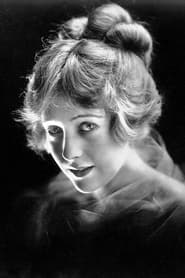
Jewel Carmen
Actor
Born: August 13, 1897 in St. Louis, Missouri, USA Died: March 4, 1984 Active: 1916-1926 Birth Name: Armena D. Babcock
Films
5 films

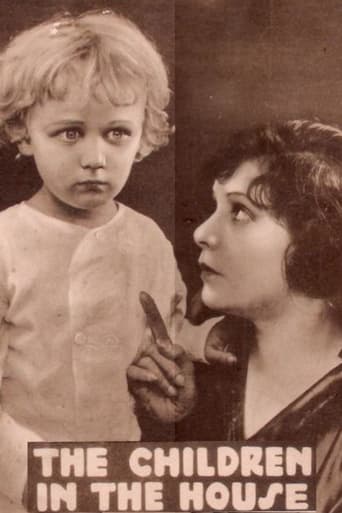
About Jewel Carmen
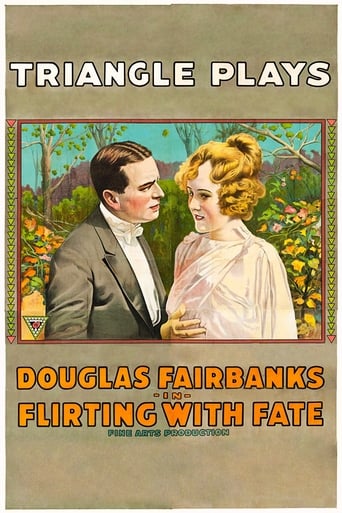
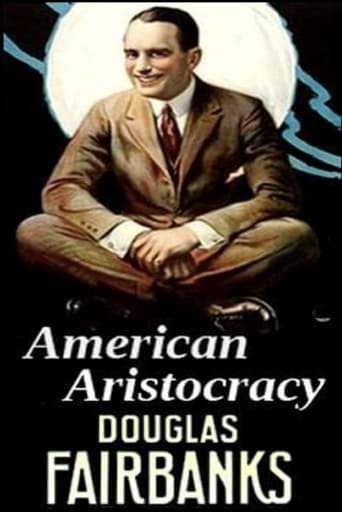
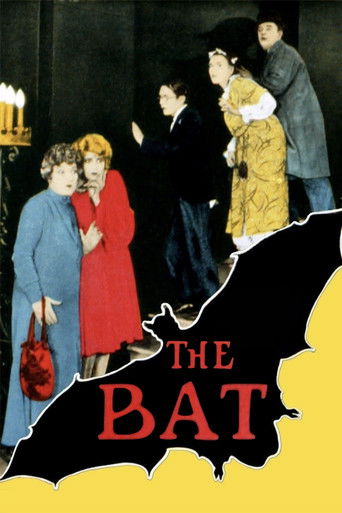
American actress who rose to prominence during the silent film era, making her mark in Hollywood between 1916 and 1926. She began her career with notable appearances in several 1916 films, including 'Flirting with Fate,' 'American Aristocracy,' and 'The Half-Breed,' which helped establish her as a promising young talent in the burgeoning film industry. Carmen worked alongside some of the era's most prominent actors, including Douglas Fairbanks, with whom she appeared in multiple films. Her career trajectory saw her transition from supporting roles to more substantial parts, culminating in her memorable performance in the mystery thriller 'The Bat' in 1926. Despite her relatively brief career spanning approximately a decade, Carmen managed to leave an impression on silent cinema with her versatile acting abilities and screen presence. Her filmography, though not extensive, includes collaborations with significant directors and production companies of the time. As the transition to sound films began, Carmen's career in motion pictures appears to have concluded, as was common for many silent era actors whose voices or acting styles didn't translate well to talkies.
The Craft
On Screen
Jewel Carmen was known for her expressive acting style typical of the silent era, utilizing facial expressions and body language to convey emotion and character depth. Her performances often featured a naturalistic approach that helped audiences connect with her characters despite the lack of dialogue. Carmen demonstrated versatility in both comedic and dramatic roles, adapting her style to suit the requirements of each production.
Milestones
- Breakthrough role in 'Flirting with Fate' (1916)
- Collaboration with Douglas Fairbanks in multiple films
- Starring role in 'The Bat' (1926)
- Transition from supporting to leading roles within a decade
- Work during the peak of the silent film era
Best Known For
Iconic Roles
Must-See Films
Working Relationships
Worked Often With
Studios
Why They Matter
Impact on Culture
Jewel Carmen contributed to the golden age of silent cinema during a pivotal period when Hollywood was establishing itself as the global center of film production. Her work alongside major stars like Douglas Fairbanks helped shape the romantic and adventure genres that would define American cinema in the 1920s. Though not a major star, Carmen represented the countless talented actors who formed the backbone of the studio system, supporting leading performers and helping create the silent era entertainment.
Lasting Legacy
Jewel Carmen's legacy lies in her contribution to silent cinema's development and her preservation of early 20th century American film culture through her surviving works. Her films, particularly 'The Bat,' remain valuable artifacts for understanding the evolution of mystery and thriller genres in American cinema. Carmen's career exemplifies the trajectory of many silent era actors who found success during a specific period but were unable to transition successfully to sound films, making her story representative of a significant chapter in Hollywood history.
Who They Inspired
While not widely recognized as a major influence on subsequent generations of actors, Carmen's work in the silent era contributed to the development of screen acting techniques that would later be refined and adapted for sound films. Her performances in genre films helped establish conventions and approaches that would influence later mystery and adventure productions.
Off Screen
Jewel Carmen was born Armena D. Babcock in St. Louis, Missouri, and later adopted her stage name for her film career. She married actor and director Wallace Beery in 1916, though their marriage was relatively brief and ended in divorce. After her film career ended, Carmen largely retreated from public life, focusing on her personal affairs away from the Hollywood spotlight. She lived a long life, passing away in 1984 at the age of 86, having outlived most of her silent film contemporaries.
Education
Limited information available about her formal education, though she likely received some dramatic training to prepare for her film career
Family
- Wallace Beery (1916-1919)
Did You Know?
- Born as Armena D. Babcock, she chose the stage name Jewel Carmen for its more glamorous appeal
- She was married to Oscar-winning actor Wallace Beery early in her career
- Her film 'The Bat' (1926) was later remade multiple times, including a 1959 version starring Vincent Price
- She worked with Douglas Fairbanks in three films released in the same year (1916)
- Her career coincided exactly with the peak decade of silent film production
- She retired from acting just as the transition to sound films was beginning
- Like many silent actors, she was unable to make a successful transition to talkies
- Her films are now considered valuable historical artifacts of early American cinema
- She outlived most of her contemporaries from the silent era by several decades
- Her birth name Armena appears to have Armenian origins, though details about her ancestry are unclear
In Their Own Words
No well-documented quotes from Jewel Carmen survive from her film career or personal life, which was common for supporting actors of the silent era who rarely gave interviews or had their words preserved in print
Frequently Asked Questions
Who was Jewel Carmen?
American actress who worked during the silent film era from 1916 to 1926, appearing in notable films like 'Flirting with Fate,' 'American Aristocracy,' and 'The Bat.' Born Armena D. Babcock, she was married briefly to actor Wallace Beery and worked alongside stars like Douglas Fairbanks before retiring from films as the sound era began.
What films is Jewel Carmen best known for?
Titles linked here include Flirting with Fate (1916), American Aristocracy (1916).
When was Jewel Carmen born and when did she die?
Born August 13, 1897; died March 4, 1984.
What awards did Jewel Carmen win?
There are no records of Jewel Carmen receiving major film awards or nominations during her career, which was common for many supporting actors of the silent era who worked outside the formal award structures that would later become established in Hollywood.
What was Jewel Carmen's acting style?
Jewel Carmen employed the expressive, physical acting style typical of silent film performers, using facial expressions and body language to convey emotion and character depth. She demonstrated versatility in both comedic and dramatic roles, adapting her performances to suit the requirements of each production.
Why did Jewel Carmen's career end in 1926?
Jewel Carmen's career ended in 1926 just as the film industry was transitioning from silent to sound films. Like many actors of her era, she was unable to successfully make the transition to talkies, a common fate for silent era performers whose acting styles or voices didn't suit the new medium.
Was Jewel Carmen married to anyone famous?
Yes, Jewel Carmen was married to Oscar-winning actor Wallace Beery from 1916 to 1919. Their marriage occurred early in her career and ended in divorce, after which she maintained a relatively low public profile.