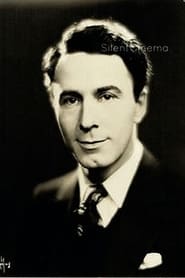
George Beranger
Actor
Born: March 27, 1893 in Sydney, New South Wales, Australia Died: March 8, 1949 Active: 1913-1926 Birth Name: George Augustus Beranger
Films
11 films
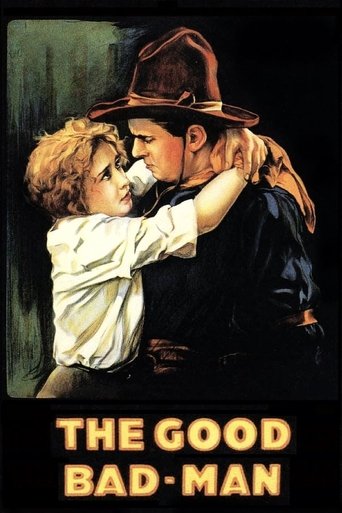
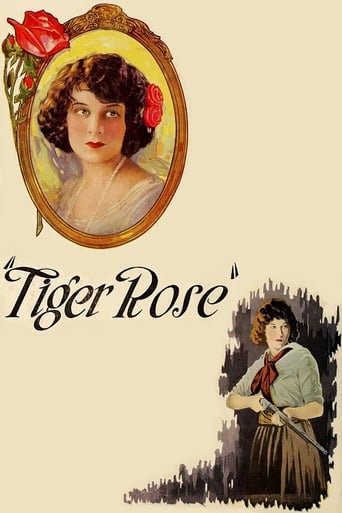
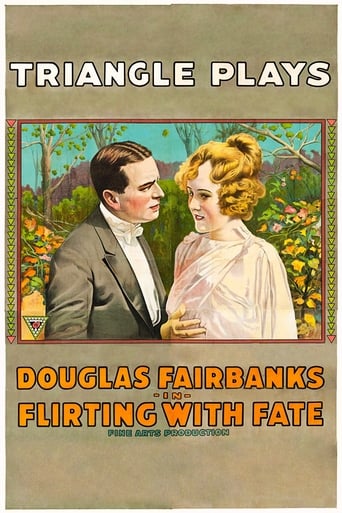
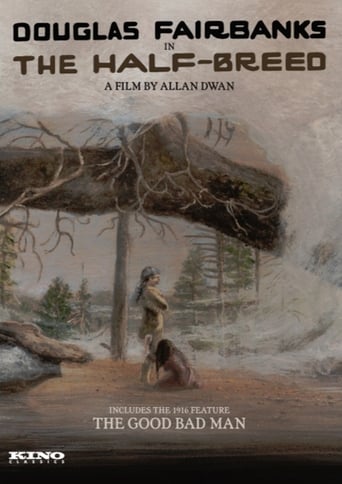
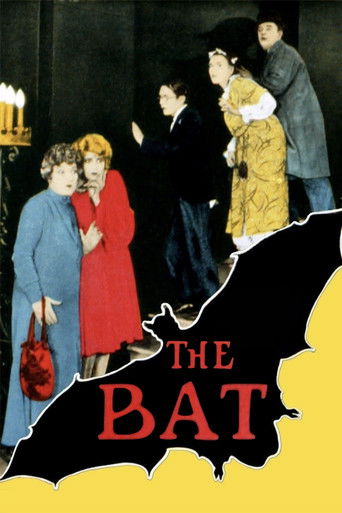

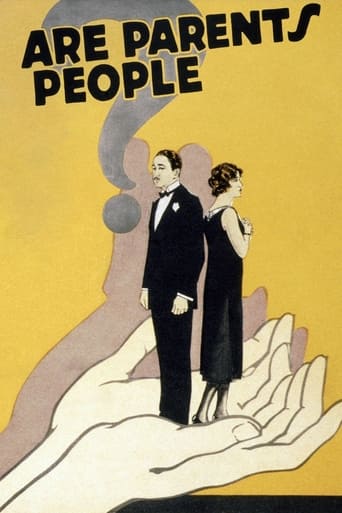
About George Beranger
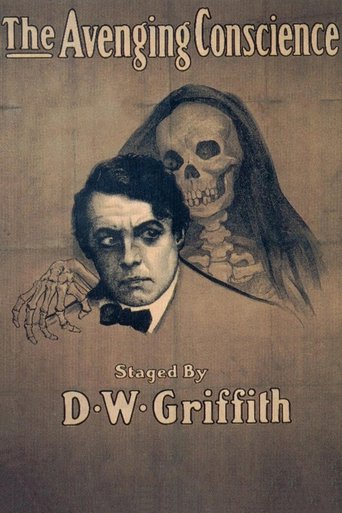
George Beranger was cast in over 200 films during his career from 1913 to 1926. Born in Australia, he began his acting career on the stage before transitioning to motion pictures in the early 1910s. Beranger worked extensively with D.W. Griffith, appearing in several of his landmark films including 'The Avenging Conscience' (1914) and 'Intolerance' (1916). He was known for his versatility, playing both leading and supporting roles across various genres from dramas to comedies. Beranger frequently collaborated with major stars of the era including Douglas Fairbanks and Mary Pickford. His the entire silent era, but like many actors of his generation, he struggled to transition to sound films and his career declined in the late 1920s. He spent his final years working in real estate before his death in 1949.
The Craft
On Screen
Beranger was known for his expressive, theatrical style typical of the silent era, using exaggerated gestures and facial expressions to convey emotion. He had a particular talent for both comic timing and dramatic intensity, allowing him to work across genres. His stage background gave him a commanding presence and the ability to project emotion effectively without dialogue.
Milestones
- Appeared in D.W. Griffith's 'Intolerance' (1916)
- Worked with Douglas Fairbanks in multiple films
- Transitioned from Australian stage to American silent films
- Appeared in over 200 films during his 13-year career
- Worked for major studios including Fine Arts and Triangle Film Corporation
Best Known For
Iconic Roles
Must-See Films
Accolades
Special Recognition
- Star on the Hollywood Walk of Fame (for contributions to motion pictures)
Working Relationships
Worked Often With
Studios
Why They Matter
Impact on Culture
George Beranger represents the typical journeyman actor of the silent era who worked consistently but never achieved major stardom. His extensive filmography provides a valuable record of the development of early American cinema, particularly through his work with directors like D.W. Griffith. Beranger's career illustrates the challenges faced by many silent film actors when the industry transitioned to sound, as his theatrical style and accent made him less suitable for talkies.
Lasting Legacy
Though not a household name, Beranger's contributions to early Hollywood are preserved through his numerous film appearances. His work in Griffith's epics makes him part of cinema's foundational history. Today, film historians and silent cinema enthusiasts recognize him as an important character actor who helped populate the early American film landscape.
Who They Inspired
As a supporting actor rather than a star, Beranger's influence was primarily through his consistent professional work that helped establish the standards of film acting during the silent era. His ability to adapt to various roles and genres demonstrated the versatility required of early film actors.
Off Screen
George Beranger immigrated to the United States from Australia in the early 1910s to pursue his film career. He married actress Leota Lorraine in 1915, though the marriage ended in divorce. After his film career ended, he struggled financially and worked in various occupations including real estate. He lived his final years in Hollywood and died of a heart attack at age 55.
Education
Trained in theater and acting in Australia before moving to the United States
Family
- Leota Lorraine (1915-1920)
Did You Know?
- Was one of many Australian actors who found success in early Hollywood
- Changed the spelling of his last name from 'Barringer' to 'Beranger' for his film career
- Appeared as an extra in some films before working his way up to credited roles
- Worked with both D.W. Griffith and Cecil B. DeMille during his career
- His filmography includes many lost films due to the deterioration of nitrate film stock
- Was known for his reliability and professionalism on set
- Often played the 'best friend' or 'rival' character to the male lead
- Made the transition from shorts to feature films as the industry evolved
- Worked during the transitional period when films moved from one-reelers to multi-reel features
- His career peaked during the mid-1910s when he was working regularly for major studios
Frequently Asked Questions
Who was George Beranger?
Screen credits include over 200 films between 1913 and 1926. He worked extensively with director D.W. Griffith and collaborated with major stars like Douglas Fairbanks during the golden age of silent cinema.
What films is George Beranger best known for?
Titles linked here include The Avenging Conscience (1914), Intolerance (1916).
When was George Beranger born and when did he die?
Born March 27, 1893; died March 8, 1949.
What awards did George Beranger win?
George Beranger did not receive major film awards during his career, as many of the prestigious awards like the Academy Awards were established late in his career. However, he was honored with a star on the Hollywood Walk of Fame for his contributions to motion pictures.
What was George Beranger's acting style?
Beranger employed the theatrical, expressive style typical of silent era actors, using exaggerated gestures and facial expressions to convey emotion. His stage training gave him versatility across both dramatic and comic roles, making him a valuable character actor.
Why did George Beranger's career end in 1926?
Like many silent era actors, Beranger's career declined with the advent of sound films. His theatrical acting style and Australian accent were less suited for talkies, and he struggled to find roles in the new sound era, eventually leaving the film industry.