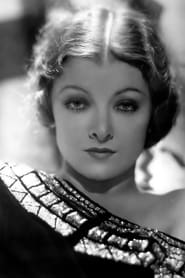

So This Is Paris
"Paul and Suzanne Giraud are happily married and living in a quiet"
Keys: Space play/pause · ←/→ 10s · F fullscreen · M mute · </> speed
About this film
Paul and Suzanne Giraud are happily married and living in a quiet neighborhood. When Suzanne notices that their new neighbors are expressive dancers in revealing outfits, she demands Paul speak to them about their lack of morality. Paul discovers that the woman is Georgette Lalle.
Cast & crew
More Comedy films
View all →






More from Ernst Lubitsch
View all →
More about this film
About the production
Release dateAugust 28, 1926
Budget253,000
ProductionWarner Bros. Pictures
Filmed inWarner Bros. Studios, Burbank, California
The film was one of several comedies Ernst Lubitsch made for Warner Bros. during his Hollywood period. The production featured elaborate sets designed to recreate Parisian streets and interiors. The costume party sequence was particularly complex to film, requiring extensive choreography and coordination among the large cast of extras. The film showcased Lubitsch's mastery of visual storytelling and his ability to convey sophisticated comedy through pantomime and visual gags.
Themes
Marriage and fidelityTemptation and desireSocial hypocrisyThe gap between appearance and realityUrban sophistication
Themes & topics
ParisMarried coupleOld flameDancersMisunderstandingCostume partySeductionComedy of mannersUrban settingRomantic complications
Historical background
Silent-era production in 1926 relied on intertitles, live accompaniment, and studio systems that were rapidly consolidating into national industries.
Why this film matters
So This Is Paris remains part of the screen heritage of its era, offering evidence of prevailing genres, production methods, and audience tastes. Later revivals, archive screenings, and digitization have kept such titles accessible to researchers and dedicated viewers long after their first commercial runs.
Making of
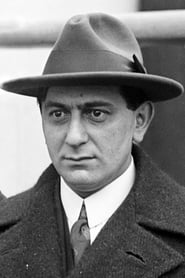
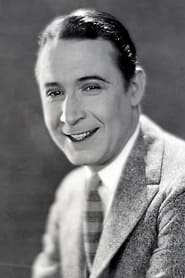
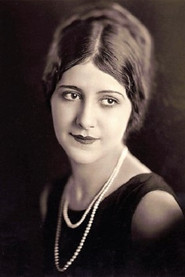
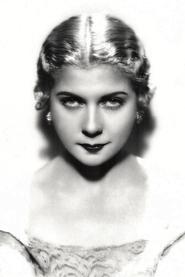
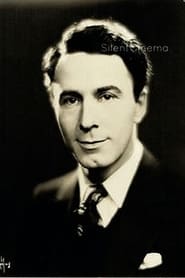
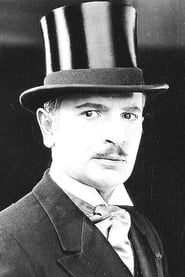
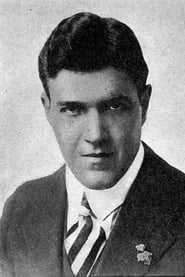
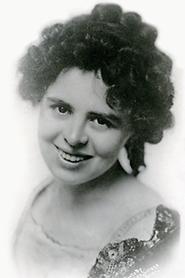
Ernst Lubitsch brought his European sensibility and sophisticated understanding of human relationships to this American production. The director was known for his meticulous attention to detail and his ability to extract nuanced performances from his actors. Monte Blue and Patsy Ruth Miller had to master the art of conveying complex emotions without dialogue, relying on subtle gestures and expressions. The filming of the dance sequences required extensive rehearsal, as Lilyan Tashman had to perform choreography that was both technically proficient and suggestive enough to create the desired scandalous effect. Lubitsch worked closely with his cinematography team to create the film's distinctive visual style, using lighting and camera angles to enhance the comedic and romantic elements of the story.
What critics said
Trade and newspaper reviews from the silent period for So This Is Paris survive only in fragments, making precise reception history difficult to reconstruct. Modern assessment tends to emphasize historical value, craft, and cultural context rather than box-office performance.
Did you know?
- This was one of the last silent films Ernst Lubitsch made before transitioning to sound pictures
- The film featured an innovative dream sequence with surreal visual effects that were ahead of their time
- Lubitsch's trademark 'Lubitsch Touch' is evident throughout the film, particularly in his sophisticated handling of adult themes
- The costume ball sequence took over a week to film due to its complexity and the large number of extras involved
- Monte Blue was one of Warner Bros.' most popular leading men during the silent era
- Lilyan Tashman's performance as the seductive dancer was considered quite daring for its time
- The film's sets were designed to create an idealized version of Paris that never actually existed
- This movie was part of a series of sophisticated comedies Lubitsch made that established his reputation for handling adult themes with wit and elegance
- The film's original running time was longer, but several minutes were cut for its general release
- The movie's success helped establish the romantic comedy genre in Hollywood
Visual style
The cinematography by Byron Haskin employed innovative techniques for the time, including creative use of shadows and lighting to enhance the film's romantic and comedic elements. The camera work during the dance sequences was particularly noteworthy, using dynamic angles and movements to capture the energy of the performances. The film featured several dream sequences that utilized special photographic effects to create surreal, otherworldly atmospheres. The visual style combined German Expressionist influences with the more straightforward approach of American cinema, creating a unique aesthetic that served Lubitsch's sophisticated storytelling.
Innovations
The film featured several technical innovations for its time, particularly in its use of special effects for the dream sequences. The production employed double exposure techniques and creative editing to create surreal visual effects that were ahead of their time. The elaborate costume ball sequence required complex camera movements and lighting setups to capture the large-scale action effectively. The film's sets were constructed with movable elements that allowed for dynamic camera work, enhancing the visual storytelling. These technical achievements demonstrated the growing sophistication of Hollywood film production in the mid-1920s.
Music
As a silent film, So This Is Paris would have been accompanied by live musical performances in theaters. The original score was composed by Louis Silvers, who created a series of musical cues that enhanced the film's romantic and comedic moments. The music ranged from light, playful melodies for the comedic scenes to more romantic, sweeping themes for the intimate moments. In some larger theaters, the film may have been accompanied by a full orchestra, while smaller venues would have used a piano or organ. The score was designed to guide audience emotions and highlight key moments in the narrative.
What audiences thought
The film was well-received by audiences in 1926, who appreciated its sophisticated humor and glamorous Parisian setting. The combination of romance, comedy, and mild scandal appealed to the increasingly sophisticated movie-going public of the mid-1920s. The chemistry between the lead actors was particularly praised by viewers, and the costume ball sequence was a highlight that audiences found entertaining and visually spectacular. The film's success at the box office helped solidify Lubitsch's reputation as one of Hollywood's premier directors of sophisticated comedy.
Film connections
Influenced by
- German Expressionist cinema
- French farce
- Continental European comedy traditions
- Previous Lubitsch films
- Broadway comedy plays of the 1920s
This film influenced
- The Marriage Circle
- Trouble in Paradise
- Design for Living
- The Shop Around the Corner
- To Be or Not to Be
- similarFilms
Where to watch
- Wikimedia Commons: https://commons.wikimedia.org/wiki/File:So%20This%20is%20Paris%20(1926).webm
- Dailymotion: https://www.dailymotion.com/video/x8her45