Films
3 films

About Sidney D'Albrook
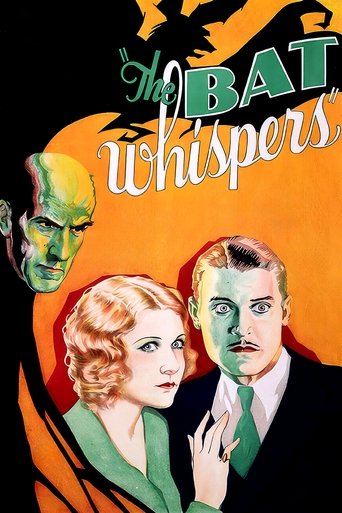
Silent film actor who had a notably brief but memorable career during the mid-1920s, appearing in two significant films of the era. His first known screen appearance was in Ernst Lubitsch's sophisticated comedy 'So This Is Paris' in 1926, where he contributed to the film's ensemble cast during the golden age of silent comedy. The following year, he secured a role in Cecil B. DeMille's epic religious drama 'The King of Kings' (1927), ambitious and successful biblical films of the silent era. Despite appearing in these high-profile productions directed by two of Hollywood's most celebrated filmmakers, D'Albrook's film career appears to have been limited to these two credits. His brief tenure in cinema coincided with the transition period from silent films to talkies, which may have influenced the trajectory of his career. While his screen time in these productions was likely limited, his association with such significant directors and productions places him within the historical context of classic Hollywood cinema.
The Craft
On Screen
As a silent era actor, D'Albrook would have employed the exaggerated physical expressions and gestures characteristic of the period, using facial expressions and body language to convey emotion without dialogue. His performances would have been tailored to the specific demands of each director - the sophisticated comedic timing required for Lubitsch's work versus the dramatic intensity needed for DeMille's biblical epic.
Milestones
- Appeared in Ernst Lubitsch's 'So This Is Paris' (1926)
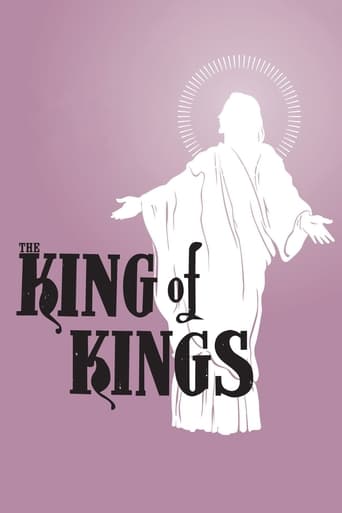
- Performed in Cecil B. DeMille's 'The King of Kings' (1927)
Best Known For
Iconic Roles
Must-See Films
Working Relationships
Worked Often With
Studios
Why They Matter
Impact on Culture
Sidney D'Albrook's cultural impact, while limited due to his brief career, lies in his participation in two historically significant films of the silent era. 'The King of Kings' was. 'So This Is Paris' represented the sophisticated European-influenced comedy that Lubitsch brought to American cinema, helping establish a more nuanced style of film comedy. By being part of these productions, D'Albrook contributed to the silent era filmmaking, even if his individual contributions were small.
Lasting Legacy
Sidney D'Albrook's legacy is preserved through his appearances in two landmark films of the silent era that continue to be studied and appreciated by film historians and classic cinema enthusiasts. While he may not have achieved lasting fame as an individual performer, his work survives as part of the historical record of Hollywood's golden age. His brief career serves as a reminder of the many supporting players and character actors who contributed to the magic of classic cinema, often without receiving widespread recognition. The films he appeared in, particularly 'The King of Kings,' remain important examples of silent era filmmaking and continue to be preserved and screened for new generations.
Who They Inspired
Given the brevity of his career and his supporting roles, Sidney D'Albrook's direct influence on other actors or filmmakers appears to have been minimal. However, his participation in films directed by two of Hollywood's most influential directors - Ernst Lubitsch and Cecil B. DeMille - places him within their creative spheres during a pivotal period in cinema history. These directors' techniques and approaches to filmmaking influenced countless future filmmakers, and D'Albrook, as part of their productions, would have been exposed to and contributed to these groundbreaking approaches to cinema.
Off Screen
Very little is documented about Sidney D'Albrook's personal life, which is not uncommon for supporting actors from the silent era who had brief careers. His limited filmography suggests he may have been a character actor or someone who pursued acting as a secondary profession rather than a full-time career.
Did You Know?
- Appeared in films by two of Hollywood's most celebrated directors in consecutive years
- His entire known filmography consists of only two films from 1926-1927
- Worked during the transition period between silent films and talkies
- Participated in
- His career coincided with the peak of silent film sophistication before the sound revolution
Frequently Asked Questions
Who was Sidney D'Albrook?
Screen credits include two notable films: Ernst Lubitsch's 'So This Is Paris' (1926) and Cecil B. DeMille's 'The King of Kings' (1927). His career appears to have been brief, spanning only these two known credits during the golden age of silent cinema.
What films is Sidney D'Albrook best known for?
Titles linked here include So This Is Paris (1926), The King of Kings (1927).
When was Sidney D'Albrook born and when did he die?
Unfortunately, specific birth and death dates for Sidney D'Albrook are not well documented, which is not uncommon for supporting actors from the silent era who had brief careers. His known period of activity was from 1926 to 1927.
What awards did Sidney D'Albrook win?
There are no known awards or nominations for Sidney D'Albrook, which is typical for a supporting actor with such a brief filmography during the silent era when formal acting awards were just beginning to be established.
What was Sidney D'Albrook's acting style?
As a silent era actor, D'Albrook would have used the characteristic exaggerated physical expressions and gestures of the period. His style would have adapted to the different requirements of comedy in Lubitsch's work versus the dramatic intensity needed for DeMille's biblical epic.