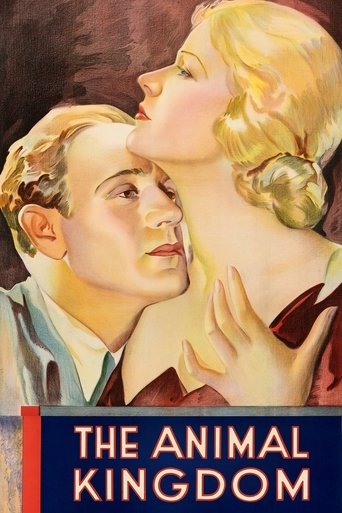
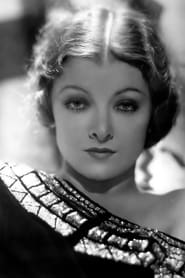
Myrna Loy
Actor
Born: August 2, 1905 in Helena, Montana, USA Died: December 14, 1993 Active: 1925-1982 Birth Name: Myrna Adele Williams
Films
5 films


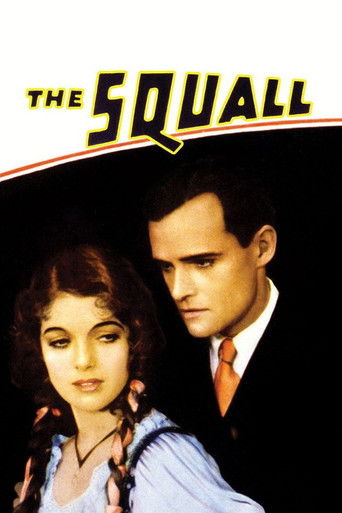
About Myrna Loy
Myrna Loy, born Myrna Adele Williams, was one of Hollywood's most versatile and beloved actresses whose six decades from the silent era through the 1980s. After being discovered as a dancer at Grauman's Chinese Theatre, she began her career playing exotic femme fatales in silent films like 'So This Is Paris' (1926) and 'Noah's Ark' (1928). The transition to sound proved seamless for Loy, who quickly evolved from typecast villain roles to sophisticated comedienne, most famously as Nora Charles in the 'Thin Man' series opposite William Powell. Her breakthrough came with her role in 'The Thin Man' (1934), which established her as the perfect embodiment of the witty, intelligent modern woman. Loy became one of MGM's most valuable stars during the Golden Age, appearing in over 100 films and earning the nickname 'Queen of Hollywood.' She broke racial barriers by starring in films with African American actors and was a passionate advocate for civil rights and political causes. Later in life, she served as a UNESCO advisor and continued acting in television and film until her final appearance in 1982.
The Craft
On Screen
Myrna Loy developed a distinctive acting style characterized by naturalistic delivery, sophisticated wit, and effortless charm. She pioneered a subtle, understated approach that contrasted with the theatrical acting common in early cinema, using subtle facial expressions and vocal inflections to convey emotion. Her technique involved perfect comic timing, the ability to deliver rapid-fire dialogue with elegance, and a unique capacity to balance glamour with approachability. Loy excelled at playing intelligent, independent women who could be both romantic and practical, creating a new archetype for female characters in American cinema. Her background as a dancer contributed to her graceful physical presence and poise on screen.
Milestones
- Breakthrough role in 'The Thin Man' (1934) establishing the Nora Charles character
- Formation of screen partnership with William Powell in 14 films
- Became MGM's highest-paid female star in the late 1930s
- Named 'Queen of Hollywood' by Motion Picture Herald in 1936
- Received honorary Academy Award in 1991 for lifetime achievement
- Served as UNESCO Goodwill Ambassador and civil rights advocate
- Published autobiography 'Being and Becoming' in 1987
Best Known For
Iconic Roles
Must-See Films
Accolades
Won
- Academy Honorary Award (1991) for career achievement
- National Board of Review Award for Best Acting (1936)
- New York Film Critics Circle Award for Best Actress (1946)
- Golden Globe Cecil B. DeMille Award (1965)
- Kennedy Center Honors (1988)
Nominated
- Academy Award nomination for Best Actress for 'The Best Years of Our Lives' (1946)
- Academy Award nomination for Best Supporting Actress for 'The Thin Man' (1934)
- Golden Globe nomination for Best Actress for 'From the Terrace' (1960)
- Emmy Award nomination for Outstanding Lead Actress in a Limited Series for 'Family' (1977)
Special Recognition
- Hollywood Walk of Fame star at 6685 Hollywood Boulevard
- American Film Institute's Greatest Female Stars ranked #88
- Kennedy Center Honoree (1988)
- UNESCO Goodwill Ambassador (1948-1954)
- National Women's Hall of Fame inductee (1992)
Working Relationships
Worked Often With
Studios
Why They Matter
Impact on Culture
Myrna Loy fundamentally changed the representation of women in American cinema by creating a new archetype of the sophisticated, intelligent, and independent female character. Her portrayal of Nora Charles revolutionized the on-screen marriage dynamic, presenting a partnership of equals rather than the traditional dominant male/submissive female relationship. Loy's career challenged racial barriers in Hollywood, as she insisted on working with African American actors and fought against the industry's discriminatory practices. During World War II, she became one of Hollywood's most dedicated war effort volunteers, working tirelessly for the Red Cross and selling war bonds. Her political activism and support for progressive causes made her one of the first major stars to use celebrity status for social change, paving the way for later celebrity activists.
Lasting Legacy
Myrna Loy's legacy endures through her groundbreaking film performances and her role as a socially conscious Hollywood star. She established the template for the modern screwball comedy heroine, combining glamour with intelligence and wit in a way that influenced generations of actresses. The 'Thin Man' series remains one of cinema's most beloved franchises, with her chemistry with William Powell setting a standard for screen partnerships. Loy's humanitarian work and political activism created a model for celebrity engagement with social issues that continues today. Her autobiography and numerous interviews provide valuable insights into Golden Age Hollywood, making her an important historical figure for film scholars. The continued popularity of her films and her status as a cultural icon demonstrate her lasting impact on American cinema and society.
Who They Inspired
Myrna Loy influenced countless actresses with her naturalistic acting style and her ability to portray strong, intelligent women. Her technique of subtle comedy and sophisticated charm inspired performers like Katharine Hepburn, Rosalind Russell, and later, Diane Keaton and Meryl Streep. Loy's success in creating the Nora Charles character influenced the development of the romantic comedy genre, particularly the dynamic of witty, equal partnerships. Her willingness to tackle serious dramatic roles alongside comedy demonstrated the range possible for female leads, encouraging studios to offer more complex parts to actresses. Loy's activism and use of celebrity for social causes influenced later generations of performers who sought to leverage their fame for humanitarian and political purposes.
Off Screen
Myrna Loy was married four times throughout her life and had no biological children, though she was stepmother to her second husband's daughter. She was known for her intelligence, political activism, and dedication to humanitarian causes. Loy — passionate supporter of Franklin D. Roosevelt and worked extensively with the Red Cross during World War II. She was also an early and vocal advocate for civil rights, using her celebrity status to fight against racial discrimination in Hollywood. Despite her glamorous image, Loy was known for her down-to-earth personality and maintained lifelong friendships with many of her co-stars. She spent her later years in New York City, continuing her humanitarian work and occasionally appearing in film and television roles.
Education
Graduated from Venice High School in Los Angeles; studied dance at the Denishawn School of Dancing and Related Arts; attended UCLA for one year before leaving to pursue acting
Family
- Arthur Hornblow Jr. (1936-1942)
- John Hertz Jr. (1942-1944)
- Gene Markey (1946-1950)
- Howland Sargeant (1951-1960)
Did You Know?
- Was originally cast as a vamp/exotic type in silent films, often playing non-American characters
- Her stage name was suggested by a studio publicist who found it in a magazine
- Was a skilled dancer and performed in the Ziegfeld Follies before her film career
- Turned down the role of Melanie in 'Gone with the Wind'
- Was the first Hollywood star to visit US troops overseas during World War II
- Her salary of $150,000 per film in the late 1930s made her one of Hollywood's highest-paid actresses
- Was a close friend of Eleanor Roosevelt and worked with her on various humanitarian projects
- Never received an Oscar nomination during the height of her career in the 1930s
- Was a passionate advocate for mental health awareness and worked with various psychiatric organizations
- Her final film role was in 'The End of August' (1982) at age 77
In Their Own Words
Life is not a dress rehearsal. Every moment is the only one you have.
I never enjoyed making movies. I was a dancer, and acting was a way to earn a living.
The perfect date is being with someone you can talk to easily and who makes you laugh.
I've always believed that if you put in the work, the results will come.
Being a movie star is not all it's cracked up to be. The work is hard, and the hours are long.
Frequently Asked Questions
Who was Myrna Loy?
American actress whose active years covered six decades, from silent films in the 1920s through the 1980s. She was best known for her sophisticated wit and her role as Nora Charles in the 'Thin Man' film series opposite William Powell, establishing herself as one of Hollywood's most beloved and respected stars.
What films is Myrna Loy best known for?
Titles linked here include The Thin Man (1934), After the Thin Man (1936).
When was Myrna Loy born and when did she die?
Born August 2, 1905; died December 14, 1993.
What awards did Myrna Loy win?
Myrna Loy received an Academy Honorary Award in 1991 for her lifetime achievement in film, though she was only nominated once for a competitive Oscar during her career. She also won a Golden Globe Cecil B. DeMille Award, a Kennedy Center Honor, and was recognized by numerous film organizations for her contributions to cinema.
What was Myrna Loy's acting style?
Myrna Loy was known for her naturalistic, understated acting style that contrasted with the theatrical approach common in early cinema. She perfected a sophisticated delivery with perfect comic timing, using subtle expressions and vocal inflections to create intelligent, witty characters that felt authentic and relatable to audiences.