

Noah's Ark
"Flood on screen and in trenches"
Keys: Space play/pause · ←/→ 10s · F fullscreen · M mute · </> speed
About this film
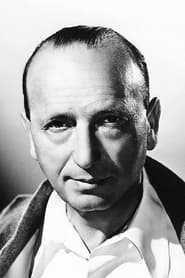
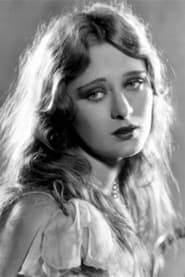
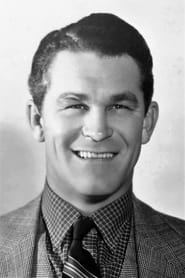
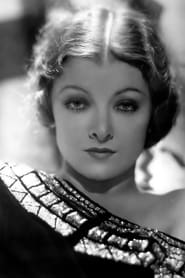
Michael Curtiz's 1928 Warner epic intercuts Noah's flood with shell-shocked soldiers in World War I, linking biblical deluge to trench catastrophe. George O'Brien and Dolores Costello star in a late silent spectacle.
Cast & crew
More films like this
More Drama films
View all →







More from Michael Curtiz
View all →
More about this film
About the production
Release dateNovember 1, 1928
Budget$1,000,000 (an enormous sum for 1928, making it
Box officeVery successful commercially, though exact figures are not documented in surviving records
ProductionWarner Bros. Pictures, The Vitaphone Corporation
Filmed inWarner Bros. Studios, Burbank, California, Big Bear Lake, California (for some exterior scenes)
The film was ambitious productions of its time, featuring notable special effects for the flood sequences. The production used massive water tanks on the Warner Bros. lot, with over 600,000 gallons of water used for the flood scenes. The film was shot as a part-talkie during the transitional period between silent and sound cinema, featuring a synchronized musical score and sound effects along with some spoken dialogue sequences. The production reportedly took over six months to complete, with the flood sequences alone requiring weeks of filming. Several extras and stunt performers were injured during the filming of the flood scenes, and one stuntman reportedly drowned during a mishap, though this remains unconfirmed in official studio records.
Themes
Divine judgment and wrathHuman destruction vs. natural disasterFaith and doubtSurvival and renewalWar as modern apocalypse
Themes & topics
floodBiblical epicWorld War Idisaster filmpart-talkiedual narrativearkdivine interventionsurvivaldestructionfaithwar traumaspectaclespecial effects
Historical background
Noah's Ark was notorious for dangerous flood scenes injuring extras; it was among the costliest silents Warner produced.
Why this film matters
Noah's Ark represents a landmark in early American cinema, particularly in the development of the epic genre and disaster films. Its innovative dual narrative structure influenced countless later films that would juxtapose historical and contemporary stories. The film's notable special effects, particularly the flood sequences, set new standards for visual effects in cinema and influenced disaster movie techniques for decades. As one of the early successful part-talkies, it demonstrated how sound could enhance dramatic storytelling without completely abandoning the visual sophistication of silent cinema. The film also reflected America's continuing fascination with Biblical stories as a way to process contemporary anxieties about modern warfare and social change. Its commercial success helped establish Warner Bros. as a major studio capable of producing big-budget spectacles to compete with MGM and Paramount. The movie's themes of environmental catastrophe and divine judgment resonated with audiences in ways that seem remarkably prescient today, given modern concerns about climate change and global disasters.
Making of
The production of Noah's Ark was ambitious undertakings in Hollywood history up to that point. Director Michael Curtiz, who had recently emigrated from Hungary, was given an unprecedented budget by Warner Bros. to create what they hoped would be their answer to Cecil B. DeMille's Biblical epics. The studio built massive sets on their Burbank lot, including a partial reconstruction of the ark that was over 300 feet long. The flood sequences required the construction of enormous tanks that could hold hundreds of thousands of gallons of water, with sophisticated drainage systems to control the flow. The cast and crew worked under grueling conditions, with many performers spending hours in cold water for the flood scenes. Dolores Costello reportedly caught pneumonia during filming but continued to work. The film was shot simultaneously in silent and sound versions, a common practice during the transition period, with the sound version featuring a synchronized musical score by Louis Silvers and limited dialogue sequences. The production faced numerous challenges including technical difficulties with the early sound equipment and safety concerns during the dangerous water sequences.
What critics said
Audiences came for spectacle; today it is cited for parallel editing and troubled production lore.
Did you know?
- This was one of the first films to use Vitaphone sound-on-disc technology, making it an early part-talkie during the transition from silent to sound films.
- The flood sequences were so massive and realistic that they influenced disaster film techniques for decades to come.
- Director Michael Curtiz used over 3,000 extras for the flood scenes, many of whom were reportedly soaked for hours during filming.
- The film's dual narrative structure was innovative for its time, connecting Biblical and contemporary themes.
- Noah Beery, who plays the villain in both storylines, was reportedly paid $2,500 per week, making him one of the highest-paid character actors of the era.
- The production used seven different cameras to capture the flood sequences from various angles simultaneously.
- Dolores Costello, known as 'The Goddess of the Silent Screen,' was one of the few major stars who successfully transitioned to sound films.
- The film's sets were some of the most expensive ever built at Warner Bros. at the time, with the ark construction alone costing over $100,000.
- The movie was re-released in 1957 with a new narration track, but the original version is considered superior by film historians.
- The flood effects were created using a combination of full-scale water tanks, miniatures, and innovative matte painting techniques.
Awards & recognition
- Academy Award for Best Writing (Adapted Screenplay) - Winner
- Academy Award for Best Art Direction - Nominee
- Academy Award for Best Cinematography - Nominee
Visual style
The cinematography by Barney McGill and Sol Polito was notable for its time, particularly in the execution of the massive flood sequences. The film employed multiple cameras to capture the disaster from various angles simultaneously, creating a sense of overwhelming scale that was unprecedented in 1928. The cinematographers used innovative techniques including forced perspective, miniature photography, and early matte painting methods to create the illusion of a worldwide flood. The visual style contrasted the warm, intimate lighting of the human drama scenes with the stark, dramatic lighting of the destruction sequences. The film also made effective use of the new wider film formats that were being experimented with at the time, particularly for the spectacular scenes. The cinematography successfully blended the visual storytelling techniques of the silent era with the new possibilities offered by synchronized sound, creating a hybrid style that was both modern and respectful of classical film traditions.
Innovations
Noah's Ark — technical marvel for its time, featuring numerous innovations in special effects, sound recording, and production design. The flood sequences represented a quantum leap in visual effects, combining full-scale water tanks with miniature photography and early matte painting techniques. The production team developed new methods for controlling large volumes of water safely on set, including sophisticated drainage systems and wave-making equipment. The film was one of the first to use multiple cameras simultaneously for complex action sequences, allowing for more dynamic editing. As an early part-talkie, it pioneered techniques for integrating sound with visual storytelling without sacrificing the sophistication of silent cinema. The production design included some of the largest and most detailed sets built in Hollywood up to that time, particularly the partial ark reconstruction. The film also experimented with early color tinting for certain sequences, particularly the sunrise and sunset scenes. These technical achievements influenced disaster film techniques for decades and helped establish new standards for Hollywood spectacle.
Music
The film's music was composed by Louis Silvers, one of the early pioneers of film scoring, and was performed by the Vitaphone Orchestra. As a part-talkie, the film featured a synchronized musical score throughout, along with sound effects for the dramatic sequences and limited dialogue in key scenes. The score incorporated both original compositions and adaptations of classical and religious music, including themes that would become associated with Biblical epics in later decades. The sound design was particularly innovative in the flood sequences, where the team created realistic water sounds using a combination of field recordings and studio effects. The limited dialogue sequences were carefully chosen to maximize their impact, with most of the story still told through visual means. The soundtrack was recorded on Vitaphone discs that had to be synchronized with the film projection, a technology that was soon to be replaced by sound-on-film systems. The musical themes were later published as sheet music and became popular in their own right.
Famous quotes
The Lord is slow to anger, but great in power, and will not at all acquit the wicked.
Build the ark! Build it while there is still time!
In the midst of judgment, He remembers mercy.
The same God that destroyed the world with water has now given man the power to destroy it with fire.
We are all in the same boat now, whether we like it or not.
Memorable scenes
- The spectacular flood sequence where massive waves crash over the ark, destroying everything in their path - a technical marvel that took weeks to film and used over 600,000 gallons of water.
- The parallel montage sequence intercutting between Noah's family boarding the ark and soldiers going over the top in the trenches, visually connecting ancient and modern forms of destruction.
- The emotional scene where Noah (George O'Brien) questions God's will while watching the world drown, capturing the crisis of faith that connects both storylines.
- The final sunrise scene showing the ark resting on Mount Ararat with the rainbow promise, juxtaposed with the WWI characters finding hope amid the ruins of war.
What audiences thought
Noah's Ark — major commercial success upon its release, drawing large audiences eager to see both the spectacular flood sequences and hear the new sound technology. The film reportedly grossed over $2 million domestically, a substantial sum for 1928. Audience reaction was generally enthusiastic, with moviegoers particularly impressed by the realistic flood effects and the emotional power of the dual storylines. The film's success helped establish Dolores Costello as a major star capable of making the transition to sound films, and it boosted Michael Curtiz's reputation as a director capable of handling large-scale productions. The film's popularity extended internationally, though some foreign markets had to wait longer for sound-equipped theaters to show the talking version. In later years, the film developed a cult following among classic film enthusiasts and is now considered an important example of early Hollywood spectacle.
Film connections
Influenced by
- The Ten Commandments (1923)
- Ben-Hur (1925)
- The King of Kings (1927)
- The Big Parade (1925)
- Wings (1927)
- Sunrise (1927)
This film influenced
- The Ten Commandments (1956)
- The Bible: In the Beginning (1966)
- The Towering Inferno (1974)
- The Poseidon Adventure (1972)
- When Worlds Collide (1951)
- The War of the Worlds (1953)
Film restoration
The film survives in both its silent and sound versions, though the complete original cut has not been fully preserved. The Library of Congress holds a 35mm copy of the sound version, though some sequences are missing or damaged. The UCLA Film and Television Archive has preserved portions of both versions. A restored version was released by Warner Bros. in the 2000s as part of their DVD collection of early sound films, though this restoration used the best available elements and some scenes remain incomplete. The film entered the public domain in 2024, which has led to various versions appearing on different platforms, though quality varies significantly. The original Vitaphone sound discs survive in various archives, though some are deteriorated. Despite these preservation challenges, the film remains largely viewable and is considered one of the better-preserved examples of early part-talkie cinema.
Where to watch
- The Criterion Channel (streaming)
- Warner Archive Collection (DVD/Blu-ray)
- YouTube (public domain versions of varying quality)
- Internet Archive (free streaming)
- Classic film streaming services such as FilmStruck (when available)
- Turner Classic Movies (occasional broadcasts)
- The Library of Congress (on-site viewing for researchers)