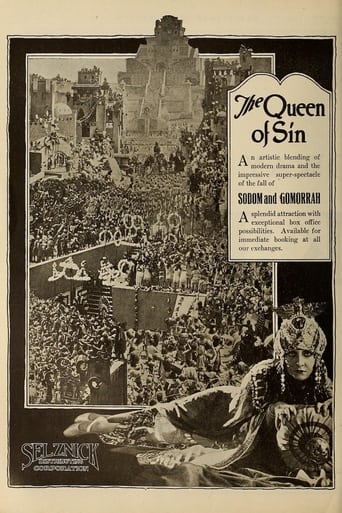
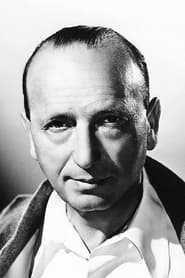
Michael Curtiz
Director
Born: December 24, 1886 in Budapest, Austria-Hungary (now Hungary) Died: April 10, 1962 Active: 1912-1961 Birth Name: Mihály Kertész (born Manó Kaminer)
Films
9 films
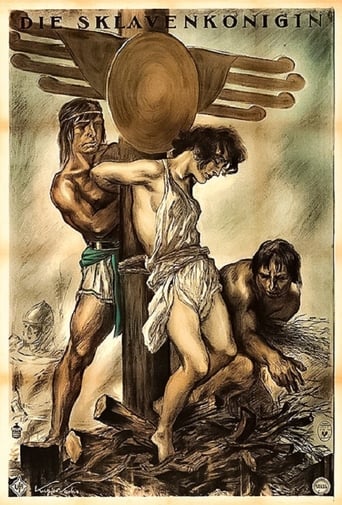
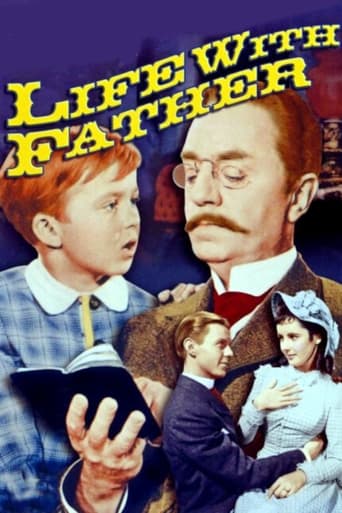

About Michael Curtiz
Michael Curtiz, born Mihály Kertész, was prolific and versatile directors of Hollywood's Golden Age, directing over 170 films across four decades. After establishing himself in the European film industry during the silent era, he emigrated to America in 1926 and quickly became a cornerstone of Warner Bros.' prestigious directing roster. Curtiz demonstrated remarkable range, mastering genres from swashbuckling adventures like 'Captain Blood' and 'The Adventures of Robin Hood' to film noir ('Mildred Pierce'), musicals ('Yankee Doodle Dandy'), and wartime dramas. His 1942 masterpiece 'Casablanca' earned him the Academy Award for Best Director and remains one of cinema's most beloved classics. Known for his technical precision and ability to elicit powerful performances, Curtiz worked with virtually every major star of his era, including Errol Flynn, Humphrey Bogart, Bette Davis, and James Cagney. Despite his gruff on-set reputation, he consistently delivered commercial and critical successes, making him reliable directors in studio system history. His later career included the biblical epic 'The Egyptian' and the Elvis Presley vehicle 'King Creole,' showcasing his adaptability to changing cinematic tastes.
The Craft
Behind the Camera
Michael Curtiz was known for his technical proficiency, visual storytelling, and remarkable versatility across genres. His directing style emphasized dynamic camera movement, dramatic lighting, and efficient pacing that kept audiences engaged. Curtiz had a reputation for being demanding and tyrannical on set, often pushing actors to their limits to achieve authentic performances. He excelled at creating atmospheric tension in film noir and brought spectacular visual flair to swashbuckling adventures. His background in European silent cinema gave him a strong foundation in visual storytelling, which he adapted seamlessly to the sound era. Curtiz was particularly skilled at balancing intimate character moments with grand spectacle, making even his most epic productions feel personally compelling.
Milestones
- Directed 'Casablanca' (1942) - winner of Academy Award for Best Director
- Directed over 170 films in a career spanning nearly 50 years
- Pioneered techniques in early European cinema before transitioning to Hollywood
- Established himself as Warner Bros.' most reliable and versatile director
- Created definitive swashbuckling films with Errol Flynn
- Mastered multiple genres from film noir to musicals to biblical epics
- Helped define the Hollywood studio system's efficiency and quality standards
Best Known For
Must-See Films
Accolades
Won
- Academy Award for Best Director for 'Casablanca' (1942)
- Golden Globe for Best Director for 'Casablanca' (1942)
- New York Film Critics Circle Award for Best Director for 'Casablanca' (1942)
- Directors Guild of America Award for Outstanding Directorial Achievement for 'Casablanca' (1942)
Nominated
- Academy Award nomination for Best Director for 'Yankee Doodle Dandy' (1942)
- Academy Award nomination for Best Director for 'Angels with Dirty Faces' (1938)
- Academy Award nomination for Best Director for 'Four Daughters' (1938)
- Directors Guild of America nomination for 'The Egyptian' (1954)
- Directors Guild of America nomination for 'King Creole' (1958)
Special Recognition
- Hollywood Walk of Fame star at 6644 Hollywood Boulevard
- Hungarian Film Critics' Lifetime Achievement Award (posthumous)
- Warner Bros. Studio Legend designation
- American Film Institute recognition for 'Casablanca' as #2 on AFI's 100 Greatest American Films
Working Relationships
Worked Often With
Studios
Why They Matter
Impact on Culture
Michael Curtiz profoundly shaped Hollywood's Golden Age through his technical innovations and genre-defining films. His work on 'Casablanca' created an enduring cultural touchstone that continues to influence filmmakers and popular culture decades later. Curtiz helped establish the swashbuckling adventure genre as a Hollywood staple through his collaborations with Errol Flynn, creating films that defined heroic cinema for generations. His versatility demonstrated that studio directors could excel across multiple genres, setting a standard for craftsmanship in the studio system. Curtiz's films often reflected and shaped American values during crucial historical periods, particularly during World War II when movies like 'Casablanca' and 'Yankee Doodle Dandy' served as morale boosters. His visual storytelling techniques and efficient directing methods influenced generations of filmmakers who followed.
Lasting Legacy
Michael Curtiz's legacy endures through his vast body of work that includes some of cinema's most beloved classics. His Academy Award-winning 'Casablanca' remains. Curtiz's directorial style influenced the development of genre filmmaking, particularly in adventure, film noir, and wartime drama. His ability to work efficiently while maintaining artistic quality helped define the Hollywood studio system's golden era. Modern directors continue to study his techniques for pacing, visual composition, and actor direction. The fact that over 170 of his films survive as testaments to his craftsmanship speaks to his enduring impact on cinema history. Curtiz's career represents the pinnacle of the studio director's art - versatile, reliable, and capable of creating both popular entertainment and artistic masterpieces.
Who They Inspired
Michael Curtiz influenced countless directors through his technical mastery and genre versatility. His dynamic camera work and visual storytelling techniques were studied by directors like Steven Spielberg and Martin Scorsese. The efficiency and professionalism he brought to large-scale productions influenced the development of modern blockbuster filmmaking. Curtiz's ability to work across genres showed future directors the value of versatility in a changing industry. His methods for directing actors, particularly his demanding but effective approach, became legendary in Hollywood and influenced directing pedagogy. The atmospheric lighting and shadow work in his film noir influenced the development of neo-noir in later decades. His swashbuckling films created templates that directors like Gore Verbinski and Rob Reiner would later reference and update. Curtiz's integration of music and visual storytelling in musicals like 'Yankee Doodle Dandy' influenced the development of the movie musical genre.
Off Screen
Michael Curtiz had a complex personal life marked by three marriages and numerous affairs. He married actress Lucy Doraine in 1918, with whom he had a daughter, but they divorced in 1923. His second marriage to Lili Damita, another actress, lasted from 1925 to 1930 and ended in a highly publicized divorce. In 1935, he married Bess Meredyth, a screenwriter at Warner Bros., with whom he remained until his death in 1962. Despite his long marriage to Meredyth, Curtiz was known for his womanizing and difficult personality on set. He became a naturalized American citizen in 1942 and maintained homes in both Beverly Hills and Lake Arrowhead. His later years were marked by declining health, though he continued working until shortly before his death from cancer at age 75.
Education
Attended Markoszy University in Budapest and studied at the Royal Academy of Theatre and Art, where he developed his interest in stagecraft and directing before entering the film industry.
Family
- Lucy Doraine (1918-1923)
- Lili Damita (1925-1930)
- Bess Meredyth (1935-1962)
Did You Know?
- Changed his name from Mihály Kertész to Michael Curtiz when he came to America
- Spoke limited English when he arrived in Hollywood but learned quickly
- Known for his thick Hungarian accent and colorful malapropisms on set
- Directed a record 50 films in his first five years at Warner Bros.
- Was notoriously difficult to work with, earning the nickname 'Crazy Curtiz'
- Famously said 'Bring me the tall one' when referring to Humphrey Bogart
- Made more films with Errol Flynn than any other director-actor pairing
- His daughter Katherine became a successful film editor
- Was one of the highest-paid directors in Hollywood during the 1940s
- Frequently worked 18-hour days and expected the same from his crew
- Had a reputation for firing people on the spot for minor mistakes
- His films earned 46 Academy Award nominations during his career
- Never won another Oscar after 'Casablanca' despite multiple nominations
- Was instrumental in discovering and developing many Hollywood stars
- His European films were considered technically innovative for their time
In Their Own Words
'I don't direct actors. I direct pictures.'
'The trouble with making pictures is that you have to work with actors.'
'I make pictures for the public, not for myself.'
'In Hollywood, we don't make movies to make money. We make money to make more movies.'
'A good director is a man who knows what he wants and gets it.'
'Casablanca? I thought it would be a routine picture.'
'I am not an artist. I am a craftsman.'
'The secret of directing is knowing what to leave out.'
Frequently Asked Questions
Who was Michael Curtiz?
Hungarian-American on YTB.my. He directed over 170 films and won the Academy Award for Best Director for 'Casablanca' (1942), working across genres from swashbuckling adventures to film noir and musicals.
What films is Michael Curtiz best known for?
Titles linked here include Casablanca (1942), The Adventures of Robin Hood (1938).
When was Michael Curtiz born and when did he die?
Born December 24, 1886; died April 10, 1962.
What awards did Michael Curtiz win?
Curtiz won the Academy Award for Best Director for 'Casablanca' in 1942, along with a Golden Globe and Directors Guild of America Award for the same film. He received three additional Oscar nominations for 'Yankee Doodle Dandy,' 'Angels with Dirty Faces,' and 'Four Daughters.'
What was Michael Curtiz's directing style?
Curtiz was known for his technical proficiency, visual storytelling, and remarkable versatility across genres. His style emphasized dynamic camera movement, dramatic lighting, and efficient pacing. He was demanding on set, pushing actors to deliver authentic performances while maintaining high production values regardless of the genre.
Which actors did Michael Curtiz work with most frequently?
Curtiz had long collaborations with Errol Flynn (12 films), Olivia de Havilland (8 films), Humphrey Bogart (5 films), and James Cagney (4 films). His partnership with Flynn created some of cinema's most memorable swashbuckling adventures.
How did Michael Curtiz influence Hollywood filmmaking?
Curtiz helped define the Hollywood studio system's efficiency and quality standards, demonstrating that directors could excel across multiple genres. His technical innovations and visual storytelling techniques influenced generations of filmmakers, while 'Casablanca' became a cultural touchstone that continues to shape cinema.
What was Michael Curtiz's personal life like?
Curtiz was married three times: to actresses Lucy Doraine and Lili Damita, and finally to screenwriter Bess Meredyth, with whom he remained until his death. He had one daughter, Katherine, and was known for his womanizing and difficult personality despite his long marriage to Meredyth.