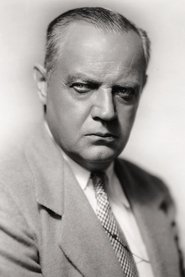
Anders Randolf
Actor
Born: December 18, 1870 in Copenhagen, Denmark Died: July 2, 1951 Active: 1920-1929
Films
14 films

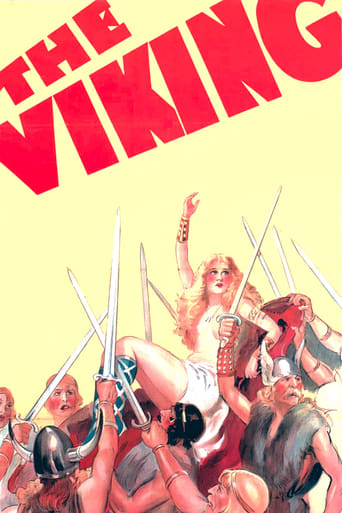
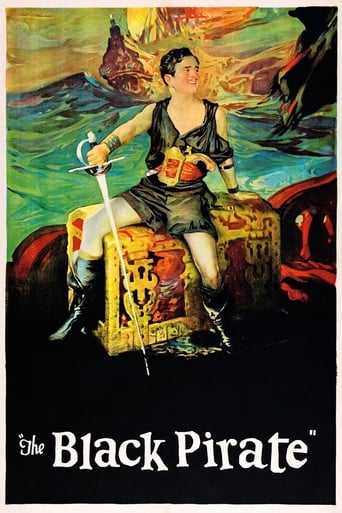

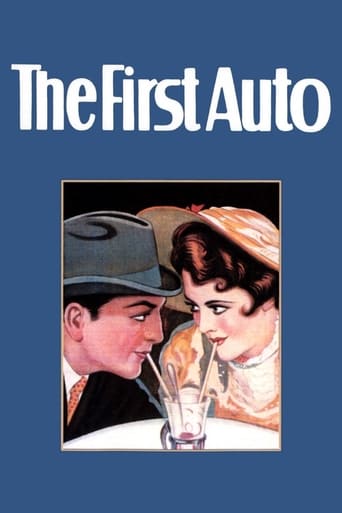
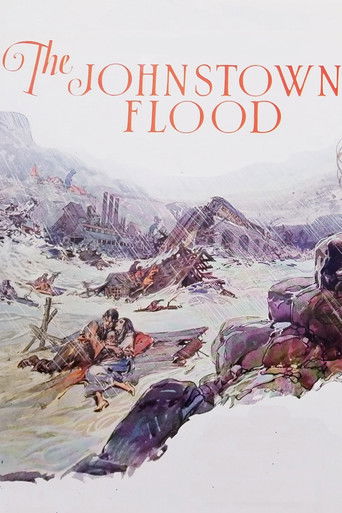
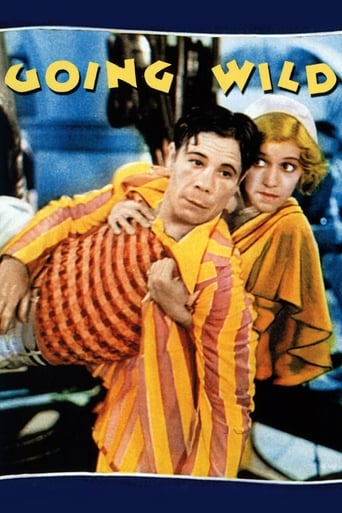
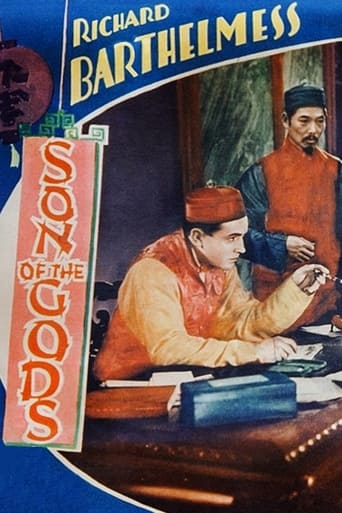
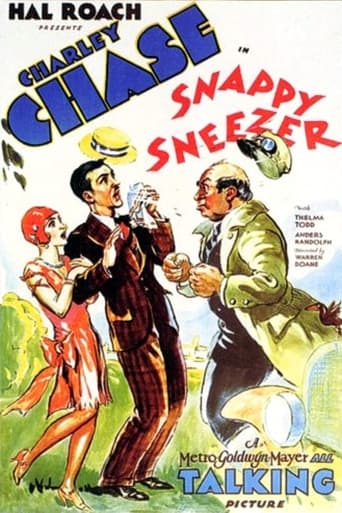
About Anders Randolf
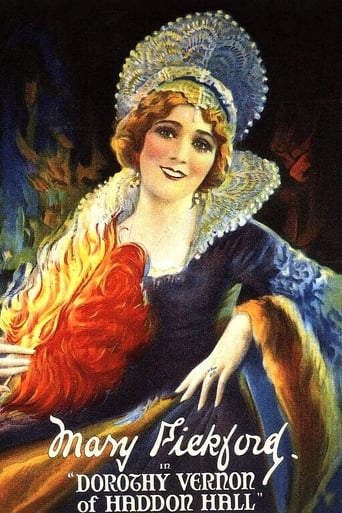
Danish character actor who found considerable success in Hollywood during the silent film era. Born in Denmark, he began his acting career on the European stage before emigrating to the United States in the early 1910s. Randolf made his film debut around 1920 and quickly became a reliable presence in American silent cinema, often cast as authoritative figures, villains, or foreign dignitaries due to his imposing stature and continental bearing. He worked prolifically throughout the 1920s, appearing in numerous productions for major studios including Paramount and Famous Players-Lasky. Randolf's the transition from silent films to early talkies, though his prominence diminished as sound cinema emerged. Anders appears in several notable films of the era, including Douglas Fairbanks' swashbuckling adventure 'The Black Pirate' (1926) and the historical drama 'Dorothy Vernon of Haddon Hall' (1924). His final film appearances were in the late 1920s, after which he largely retired from acting.
The Craft
On Screen
Randolf was known for his commanding screen presence and authoritative demeanor, often portraying aristocrats, military officers, or villainous figures. His acting style was typical of the silent era, emphasizing expressive gestures and facial features to convey emotion and character. His European background and dignified bearing made him particularly effective in period pieces and historical dramas.
Milestones
- Film debut in American silent cinema (1920)
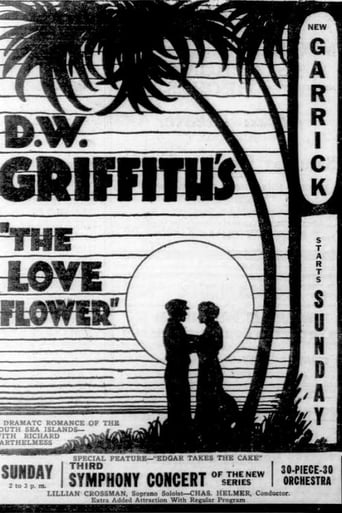
- Collaboration with director D.W. Griffith
- Role in Douglas Fairbanks' 'The Black Pirate' (1926)
- Transition to early sound films
- Prolific character actor in Hollywood's Golden Age
Best Known For
Iconic Roles
Must-See Films
Working Relationships
Worked Often With
Studios
Why They Matter
Impact on Culture
Anders Randolf contributed to the internationalization of Hollywood during the silent era, bringing European theatrical traditions to American cinema. His presence in films helped Hollywood productions achieve greater authenticity in portraying European characters and settings. As part of the wave of European talent that enriched American cinema in the 1920s, Randolf represented the global nature of early Hollywood and its ability to incorporate diverse cultural influences.
Lasting Legacy
Randolf's legacy lies in his contribution to the richness of silent era character acting, particularly in his ability to bring authenticity to European roles in American productions. While not as widely remembered as leading stars of his era, his work in supporting roles helped establish the importance of skilled character actors in creating believable cinematic worlds. His career exemplifies the journey of many European actors who found success in Hollywood's golden age.
Who They Inspired
Randolf influenced subsequent generations of character actors, particularly those of European background working in American cinema. His professional approach and ability to transition from stage to film served as a model for other theatrical actors entering the film industry during the silent era.
Off Screen
Anders Randolf married twice during his lifetime. His first marriage was to actress Helene Lackner, with whom he had one child. After their divorce, he married his second wife, with whom he spent his later years. Randolf was known among his contemporaries as a dedicated professional who brought European theatrical training to American cinema. He maintained connections with his Danish heritage throughout his life in Hollywood.
Education
Trained in European theatrical schools in Denmark and Germany before emigrating to the United States
Family
- Helene Lackner (1910-1925)
- Second wife (1926-1951)
Did You Know?
- Born in Copenhagen, Denmark, and brought authentic European presence to Hollywood films
- Worked extensively with director D.W. Griffith
- Appeared in over 50 films during his decade-long Hollywood career
- Was part of the ensemble cast in Douglas Fairbanks' landmark adventure film 'The Black Pirate'
- Successfully transitioned from European stage to American silent film
- Often typecast as aristocratic or villainous characters due to his imposing stature
- Retired from acting just as the sound era was fully establishing itself
- Maintained his Danish accent throughout his American career
- Worked with both major studios and independent producers during his career
- His active years covered the peak years of silent cinema in Hollywood
In Their Own Words
The stage teaches you discipline that film cannot, but film teaches you subtlety that the stage often lacks
In America, I found freedom to explore characters I could never portray in Europe
Silent film requires the actor to speak with their entire body, not just their voice
Frequently Asked Questions
Who was Anders Randolf?
Danish character with credits in this catalog.
What films is Anders Randolf best known for?
Titles linked here include The Black Pirate (1926), Dorothy Vernon of Haddon Hall (1924).
When was Anders Randolf born and when did he die?
Born December 18, 1870; died July 2, 1951.
What awards did Anders Randolf win?
There are no documented major awards or nominations for Anders Randolf, as was common for many character actors of the silent era who received recognition primarily through their consistent work rather than formal accolades.
What was Anders Randolf's acting style?
His acting style was characterized by commanding presence, expressive gestures typical of the silent era, and authentic European bearing that made him ideal for aristocratic and authority roles.
How did Anders Randolf influence cinema?
He contributed to the internationalization of Hollywood by bringing European theatrical traditions to American films and helping establish the importance of skilled character actors in supporting roles.
Why did Anders Randolf's career end in 1929?
His career concluded around 1929 as the transition to sound films began, and like many actors with strong accents or specialized in silent era techniques, he found fewer opportunities in the new sound era.