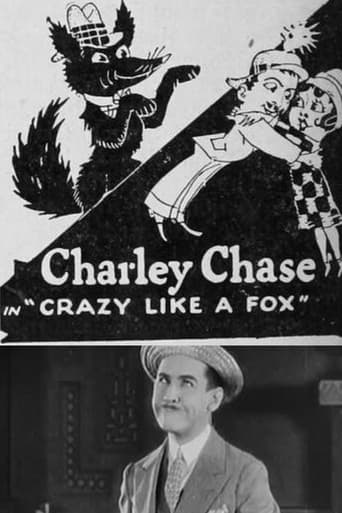
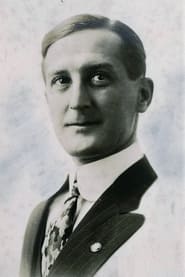
William V. Mong
Actor
Born: June 25, 1875 in St. Francis, Kansas, USA Died: December 10, 1940 Active: 1910-1933
Films
11 films



About William V. Mong
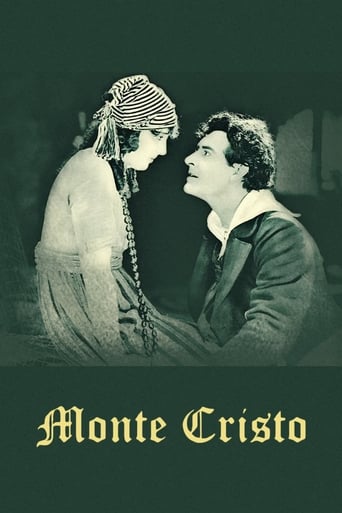
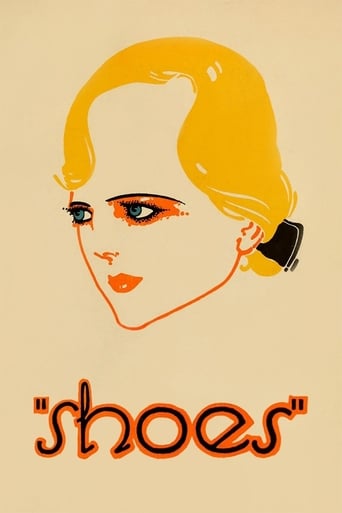
Prolific American character actor: the silent era and early sound period, appearing in over 300 films between 1910 and 1933. Born in Kansas in 1875, Mong began his acting career on the stage before transitioning to motion pictures, where his distinctive appearance with a bald head and imposing presence made him instantly recognizable. He became particularly known for his versatility in playing villains, authority figures, and comic relief characters, often serving as a reliable supporting actor for major stars of the era. Mong worked extensively with directors like Lois Weber, appearing in her acclaimed films 'Shoes' (1916) and 'The Blot' (1921). His career flourished throughout the 1920s with roles in major productions like 'Monte Cristo' (1922) and numerous Westerns and melodramas. Despite the transition to sound, Mong continued working steadily until his retirement in 1933, after which he lived quietly until his death in 1940 at age 65.
The Craft
On Screen
Mong was known for his distinctive physical presence and versatile characterizations. His bald head, stern features, and imposing stature made him particularly effective in villainous roles, yet he also demonstrated considerable range in comedy and dramatic supporting parts. He employed a naturalistic style for the era, using subtle facial expressions and body language to convey emotion, which served him well in both melodramas and lighter fare. His ability to quickly establish character type made him a valuable asset in the fast-paced production system of silent cinema.
Milestones
- Appeared in over 300 films during his career
- Worked extensively with director Lois Weber
- Successfully transitioned from silent films to early talkies
- Became
- Played diverse roles from villains to comic relief
- Appeared in major productions including adaptations of literary classics
Best Known For
Iconic Roles
Must-See Films
Working Relationships
Worked Often With
Studios
Why They Matter
Impact on Culture
William V. Mong represents the quintessential character actor of early Hollywood, exemplifying how supporting players were essential to the success of silent cinema. His prolific output and consistent performances across genres demonstrated the importance of reliable character actors in establishing the narrative and emotional context for leading stars. Mong's ability to embody both threatening and humorous characters showed the versatility required of silent era actors who had to convey complex emotions without dialogue. His work with directors like Lois Weber contributed to some of the most significant films of the 1910s and 1920s, helping shape early cinematic language and storytelling techniques.
Lasting Legacy
Though largely forgotten by modern audiences, William V. Mong's legacy lives on through the hundreds of films that survive from the silent era. His career shows the crucial role character actors played in building Hollywood's golden age, providing the essential supporting framework that allowed stars to shine. Film historians and silent cinema enthusiasts recognize Mong as. His extensive filmography provides valuable insight into the production methods and acting styles of early Hollywood.
Who They Inspired
Mong influenced subsequent generations of character actors through his demonstration of how distinctive physical presence could be leveraged for diverse character types. His professional approach to the craft, appearing in numerous films while maintaining quality performances, set a standard for supporting actors in the studio system. Younger actors studying silent film techniques can learn from Mong's ability to establish character quickly and effectively through visual means, a skill that remained valuable even as cinema transitioned to sound.
Off Screen
William V. Mong led a relatively private personal life away from the Hollywood spotlight. He married actress and screenwriter Evelyn Selbie in 1915, though the marriage eventually ended in divorce. Unlike many of his contemporaries, Mong avoided the typical Hollywood scandals and maintained a reputation as a reliable professional. After retiring from acting in 1933, he lived a quiet life away from the film industry, enjoying his later years away from public attention until his death from natural causes in 1940.
Education
Limited formal education; primarily trained through stage experience and practical acting experience
Family
- Evelyn Selbie (1915-1920, divorced)
Did You Know?
- Appeared in over 300 films during his 23-year career
- Was completely bald, which became his trademark feature
- Often typecast as villains due to his stern appearance
- Worked with female director Lois Weber on multiple occasions
- Successfully made the transition from silent films to talkies
- Was a stage actor before entering films
- His most productive period was the 1920s when he appeared in dozens of films per year
- Often played authority figures like judges, police chiefs, and businessmen
- Was known for his reliability and professionalism on set
- Retired from acting in 1933, seven years before his death
Frequently Asked Questions
Who was William V. Mong?
Screen credits include over 300 films during the silent era and early sound period, known for his distinctive bald appearance and versatile performances in villainous and supporting roles.
What films is William V. Mong best known for?
When was William V. Mong born and when did he die?
Born June 25, 1875; died December 10, 1940.
What was William V. Mong's acting style?
Mong was known for his distinctive physical presence and naturalistic acting style for the era, using his bald head and stern features effectively in villainous roles while showing versatility in comedy and dramatic supporting parts.
How many films did William V. Mong appear in?
William V. Mong appeared in over 300 films during his career spanning from 1910 to 1933, making him.
Did William V. Mong successfully transition to sound films?
Yes, Mong successfully made the transition from silent films to early talkies, continuing his acting career through the early 1930s before retiring in 1933.
What was William V. Mong's legacy in cinema?
Mong's legacy lies in his contribution to silent cinema as one of the era's most reliable and recognizable character actors, whose extensive filmography provides valuable insight into early Hollywood's production methods and acting styles.