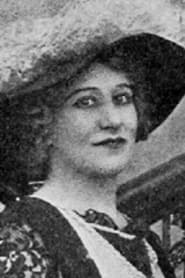
Eleanor's Catch
"Eleanor, a young city girl, is dragged into a life of crime by a ne’er-do-well suitor"
Keys: Space play/pause · ←/→ 10s · F fullscreen · M mute · </> speed
About this film
Eleanor, a young city girl, is dragged into a life of crime by a ne’er-do-well suitor.
Cast & crew
More films like this
More Mystery films
View all →
More from Cleo Madison
View all →
More about this film
About the production
Release dateMarch 20, 1916
ProductionUniversal Film Manufacturing Company
Filmed inUniversal City, California
Eleanor's Catch was one of several films Cleo Madison directed and starred in during her tenure at Universal. As part of Universal's push to promote female directors, Madison was given significant creative control. The film was produced during a brief but remarkable period when Universal actively supported women filmmakers, a rarity in the male-dominated industry of 1916. The production likely utilized Universal's studio facilities and backlot sets typical of their mystery productions of this era.
Themes
Innocence corrupted by manipulationMoral redemption and second chancesUrban dangers and the dark side of city lifeFemale agency and autonomyThe consequences of blind trust
Themes & topics
mysterycrimeseductionmoral dilemmaurban liferedemptionmanipulationyoung womancriminal underworldbetrayal
Historical background
Eleanor's Catch (1916) emerged during the silent-film era. Eleanor, a young city girl, is dragged into a life of crime by a ne’er-do-well suitor. Archival records and catalog entries help place the work within film-history surveys of the period.
Why this film matters
Preserved under Wikidata ID Q55238716, Eleanor's Catch is valued as a screen drama within catalog and archive collections. Contemporary listings connect it to broader histories of cinema exhibition and restoration.
Making of
Eleanor's Catch was created during a remarkable period at Universal when the studio actively promoted female directors and gave them significant creative freedom. Cleo Madison, who had previously been primarily known as an actress, transitioned to directing with the studio's backing. The production process would have been typical of silent film era shoots - rapid filming schedules, minimal dialogue (as intertitles would carry the story), and extensive use of natural lighting and studio sets. Madison likely worked closely with her cinematographer to create the mysterious atmosphere essential to the genre. The casting of Madison herself in the lead role was common for director-actors of the period, allowing her to maintain creative control over both aspects of the performance. The film's production would have been completed in a matter of days, as was standard for the era's efficient studio system.
What critics said
Trade and archival sources offer limited day-one review coverage for Eleanor's Catch. Modern reception rests on its availability in collections, repertory screenings, and reference works that document 1916 cinema.
Did you know?
- Cleo Madison was one of the few women directors working in Hollywood during the 1910s, making this film historically significant beyond its entertainment value
- The film was released during Universal's 'women's program' era when the studio actively promoted female filmmakers
- Eleanor's Catch was part of a series of films Madison directed and starred in, showcasing her versatility as both actress and filmmaker
- 1916 was a peak year for women directors in American cinema, with over a dozen women actively directing feature films
- The film's theme of a woman being led astray by a man was common in moralistic tales of the era, but Madison's perspective as a female director likely offered a unique viewpoint
- Universal's support for female directors was unusual for the time and was largely driven by producer Carl Laemmle's progressive views
- Many of Madison's films, including this one, have been lost to time, making surviving prints extremely valuable to film historians
- The film was released just as the United States was preparing to enter World War I, reflecting the changing social dynamics of the era
Visual style
The cinematography of Eleanor's Catch would have employed the techniques typical of 1916 mystery productions. The film likely used dramatic lighting to create shadows and atmosphere essential to the mystery genre, with extensive use of low-key lighting techniques that were becoming more sophisticated during this period. The camera work would have been relatively static compared to later films, as camera movement was limited by the bulky equipment of the era. The cinematographer would have worked closely with Madison to create visual compositions that enhanced the story's emotional impact and mystery elements. Universal's studio facilities would have provided various sets and backlot locations that could be dressed to create the urban environment essential to the plot. The visual storytelling would have relied heavily on expressive performances and carefully composed shots to convey narrative information without the benefit of synchronized dialogue.
Innovations
Eleanor's Catch does not appear to have introduced any major technical innovations, as was typical for studio productions of 1916. The film would have utilized standard filmmaking technology of the period, including hand-cranked cameras, nitrate film stock, and natural lighting supplemented by studio lamps. The technical aspects would have focused on achieving clear storytelling through visual means, a challenge that directors like Madison mastered through careful planning and execution. The film's significance lies more in its place in the history of women directors rather than in technical advancement. The production would have followed Universal's established workflow and technical standards, ensuring efficient completion of the film within the studio's typical production schedule. The mystery genre required particular attention to visual clarity and mood creation, which would have been achieved through established lighting and composition techniques rather than technical experimentation.
Music
As a silent film, Eleanor's Catch would not have had a recorded soundtrack but would have been accompanied by live musical performance during theatrical exhibitions. The typical accompaniment for a 1916 mystery film would have included a pianist or small ensemble using compiled scores or improvisation to match the on-screen action. The music would have emphasized the film's dramatic moments, created tension during suspenseful scenes, and provided emotional underscoring for the characters' struggles. Universal may have distributed cue sheets with suggested musical pieces for theater musicians to use, a common practice for major studios of the era. The musical style would have reflected popular and classical music of the 1910s, possibly incorporating popular songs of the day that audiences would recognize. The absence of recorded sound means that the original musical accompaniment experience is lost to time, though modern screenings would typically feature newly composed or period-appropriate scores.
Famous quotes
The path of temptation is paved with pretty words and empty promises.
In the city's shadows, innocence is the first casualty.
Sometimes the greatest crime is trusting the wrong person.
Memorable scenes
- The pivotal scene where Eleanor first realizes the true nature of her suitor's criminal activities, marked by dramatic lighting and expressive performance that conveys her dawning horror without dialogue.
What audiences thought
Audience reception data for Eleanor's Catch from 1916 is not readily available in surviving records, as systematic box office tracking and audience surveys were not standard practice during the silent era. However, the fact that Universal continued to employ Cleo Madison as a director suggests that her films, including this one, performed adequately enough to justify continued investment. Mystery films were popular with audiences of the 1910s, and stories involving moral dilemmas and redemption resonated strongly with contemporary moviegoers. The film's themes of a young woman being led astray and finding her way back to morality would have appealed to the predominantly middle-class audiences who attended movie theaters during this period. Modern audiences, when able to view surviving fragments or restorations of Madison's work, often express fascination with the window into early filmmaking and the rare opportunity to see a film directed by one of the few women directors of the silent era.
Film connections
Influenced by
- The social problem films of D.W. Griffith
- Contemporary stage melodramas
- Popular dime novels and crime stories of the 1910s
- The mystery serials popular in early cinema
This film influenced
- Later films featuring women caught in criminal circumstances
- Universal's subsequent mystery productions featuring female protagonists
- The work of other female directors at Universal during the same period
Film restoration
Eleanor's Catch is believed to be a lost film, as is the case with the majority of Cleo Madison's directorial work. The Library of Congress and major film archives have no known surviving prints or fragments of this specific title. The film was likely produced on nitrate stock, which deteriorates over time and was responsible for the loss of approximately 75% of silent-era films. Universal's vault fires and the general neglect of women-directed films in preservation efforts have contributed to its disappearance. Film historians continue to search for surviving copies in private collections and international archives, but as of now, the film exists only in written records, reviews, and production documentation from the period.
Where to watch
- Currently unavailable for viewing as the film is believed lost
- Film archives may have production stills or promotional materials
- Academic institutions with silent film collections may have documentation