
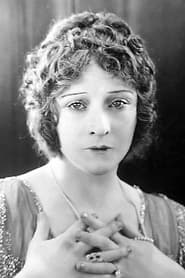
Cleo Madison
Actor & Director
Born: March 26, 1881 in Bloomington, Illinois, USA Died: March 17, 1964 Active: 1913-1917
Films
2 films
About Cleo Madison
Made significant contributions during the silent era, particularly notable as one of the first women to direct films in Hollywood. She began her career as an actress around 1913, appearing in numerous short films for Universal Studios before transitioning to directing in 1915. Madison directed approximately 20-25 films between 1915 and 1917, making her prolific women directors of her time, working alongside other female filmmakers like Lois Weber and Grace Cunard. Her films often featured strong, independent female protagonists and explored themes of women's autonomy, social issues, and moral dilemmas, which was quite progressive for the period. Despite her relatively brief but impactful directing career, she established herself as a significant figure in early Hollywood's history of women filmmakers. Madison's career in the film industry appears to have ended around 1917, after which she seemingly retired from filmmaking, leaving behind an important legacy as one of the early women who broke barriers behind the camera.
The Craft
On Screen
As an actress, Madison performed in the typical melodramatic style of the silent era, using exaggerated gestures and facial expressions to convey emotion. Her performances were characterized by a natural screen presence and the ability to portray both vulnerable and strong female characters, which likely influenced her later directorial work focusing on women's stories.
Behind the Camera
Madison's directing style emphasized narrative clarity and emotional depth, often focusing on women's perspectives and experiences. She employed visual storytelling techniques common to the silent era but with particular attention to character development and psychological motivation. Her films frequently tackled social issues and moral questions, presenting complex female characters who challenged traditional gender roles.
Milestones
- Transitioned from actress to director at Universal Studios (1915)
- Directed approximately 20-25 films in just two years
- Prolific women directors of the silent era
- Created films with strong female protagonists and progressive themes
- Worked alongside other female filmmakers like Lois Weber
Best Known For
Iconic Roles
Must-See Films
Accolades
Special Recognition
- Recognized in film history books as a woman director
- Featured in documentaries about early women filmmakers
- Cited in academic studies of silent era cinema and women's contributions
Working Relationships
Worked Often With
Studios
Why They Matter
Impact on Culture
Cleo Madison's work represents an important chapter in the history of women in cinema, particularly during the brief window in the 1910s when women held significant creative control in Hollywood. Her films, which often featured strong female characters and addressed women's issues, contributed to early feminist cinema before such a term existed. Madison's career demonstrates that women played a much more significant role in early filmmaking than traditionally recognized, challenging the male-dominated narrative of film history. Her work at Universal Studios during this period exemplifies how women could achieve positions of creative authority in the nascent film industry.
Lasting Legacy
Cleo Madison's legacy lies in her role as one of the first women to direct films in Hollywood, contributing to the rich but often overlooked history of women in early cinema. Her approximately 20-25 directed films, though mostly lost like many silent era works, represent an important body of work that demonstrated women's capability behind the camera during a formative period in film history. Modern film historians and feminist scholars have rediscovered her importance, citing her alongside contemporaries like Lois Weber and Alice Guy-Blaché as evidence of women's significant early contributions to cinema. Her story serves as inspiration for contemporary women filmmakers and as a reminder of the diverse creative voices that shaped early Hollywood.
Who They Inspired
Madison influenced subsequent generations of women filmmakers by demonstrating that women could successfully direct films and tell stories from female perspectives. Her focus on strong female protagonists and women's issues prefigured later feminist filmmaking movements. While her direct influence on individual filmmakers is difficult to trace due to the loss of many of her films and her relatively brief career, her very existence as a successful woman director in the 1910s helped establish a precedent that women could hold creative authority in filmmaking, influencing the broader perception of women's capabilities in the film industry.
Off Screen
Cleo Madison was married to actor and director B.A. Rolfe, though the marriage ended in divorce. After leaving the film industry around 1917, she lived a relatively private life away from the public eye. Little is known about her later years, but she lived until age 82, passing away in California. Her decision to leave filmmaking at the height of her directing career remains a subject of speculation among film historians.
Education
No formal education records available, typical for actors of her era who often entered the profession through theatrical connections rather than formal training.
Family
- B.A. Rolfe (1910s-1920s, approximate)
Did You Know?
- One of approximately 10-15 women directing films in Hollywood during the 1910s
- Directed her first film in 1915, just 20 years after the birth of cinema
- Most of her films were short (1-2 reels), typical for the period
- Worked during a brief golden age for women directors before the industry became male-dominated in the 1920s
- Her directing career lasted only about two years but was remarkably productive
- Like many silent films, most of her directed works are now considered lost
- Universal Studios was unusually supportive of women directors during this period
- Her films often featured social commentary on issues affecting women
- She was part of a small but significant group of women who held creative power in early Hollywood
- Her career demonstrates how women's roles in filmmaking became more restricted as the industry matured
In Their Own Words
No documented quotes from Cleo Madison survive, which is common for figures from the silent era who left few interviews or written records
Frequently Asked Questions
Who was Cleo Madison?
American actress and on YTB.my. She directed approximately 20-25 films between 1915 and 1917, primarily for Universal Studios, creating works that often featured strong female protagonists and progressive themes for the time.
What films is Cleo Madison best known for?
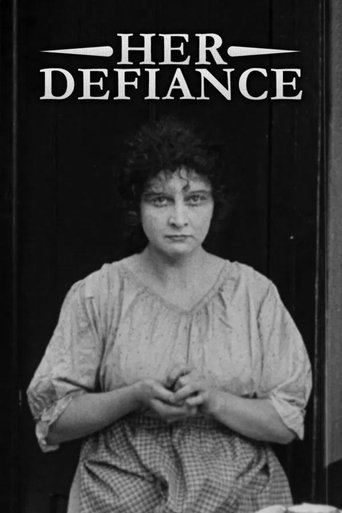
Titles linked here include Eleanor's Catch (1916), Her Defiance (1916).
When was Cleo Madison born and when did she die?
Born March 26, 1881; died March 17, 1964.
What awards did Cleo Madison win?
Cleo Madison did not receive formal awards during her career, as the Academy Awards were not established until 1929, after her film career had ended. However, she is now recognized by film historians and scholars as a woman director who made significant contributions to early cinema.
What was Cleo Madison's directing style?
Madison's directing style emphasized narrative clarity and emotional depth, with particular focus on women's perspectives and experiences. She created films featuring strong female characters who challenged traditional gender roles and often addressed social issues and moral questions relevant to women's lives in the 1910s.
Why did Cleo Madison's directing career end so quickly?
The exact reasons for Madison's departure from filmmaking around 1917 are not documented, but historians speculate it may have been related to the increasing professionalization and male domination of the film industry in the late 1910s, which pushed many women out of creative leadership positions they had held in the early years of cinema.