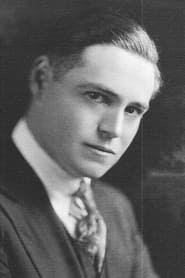
Edward Hearn
Actor
Born: September 6, 1888 in San Francisco, California, USA Died: April 15, 1963 Active: 1915-1955 Birth Name: Edward Francis Hearn
Films
5 films

About Edward Hearn
Prolific American character actor: four decades of American cinema, beginning in the silent era. Born in San Francisco in 1888, he entered the film industry around 1915 and quickly established himself as a reliable supporting player in Hollywood's burgeoning studio system. Throughout his career, Hearn appeared in over 350 films, though he rarely received top billing, instead building a reputation as a versatile character actor who could play everything from villains to comic relief. His most productive period was during the 1910s and 1920s, where he appeared in numerous silent films for major studios including Universal, Fox, and Vitagraph. While the transition to sound presented challenges for many silent era actors, Hearn successfully adapted and continued working in smaller roles through the 1930s and 1940s. By the 1950s, his film appearances became less frequent, and he made his final screen appearance in 1955. Edward Hearn passed away in Los Angeles in 1963, leaving behind a legacy as one of Hollywood's most prolific and dependable character actors of the early cinema era.
The Craft
On Screen
Edward Hearn's acting style was characteristic of the silent era, emphasizing broad gestures and expressive facial features to convey emotion without dialogue. He was known for his versatility in playing various character types, from stern authority figures to comedic sidekicks. His technique adapted well to the sound era, where he often played minor but memorable character roles with a naturalistic approach that contrasted with some of his more theatrical silent film performances.
Milestones
- Appeared in over 350 films during his career
- Transitioned successfully from silent films to talkies
- Worked with major studios including Universal, Fox, and Vitagraph
- Appeared in early films with emerging stars who would become Hollywood legends
- Maintained steady employment through four decades of changing cinema
Best Known For
Iconic Roles
Must-See Films
Working Relationships
Worked Often With
Studios
Why They Matter
Impact on Culture
Edward Hearn represents the thousands of working actors who formed the backbone of Hollywood's golden age. While never a star, his prolific career exemplifies the studio system's reliance on reliable character actors to populate their films. His ability to transition from silent films to talkies demonstrates the adaptability required of actors during this revolutionary period in cinema history. Hearn's body of work serves as a valuable record of the evolution of American film acting techniques from the theatrical style of the 1910s to the more naturalistic approach of the sound era.
Lasting Legacy
Edward Hearn's legacy lies in his remarkable filmography of over 350 films, which provides a comprehensive view of American cinema's development from the silent era through the studio system's peak. As a character actor who worked consistently for four decades, he contributed to countless films that have become part of America's cultural heritage. His career shows the importance of supporting actors in creating the rich, detailed worlds of classic Hollywood cinema, and his work continues to be studied by film historians and enthusiasts interested in the complete picture of early American film production.
Who They Inspired
While Edward Hearn was not a major star who directly influenced other actors' styles, his career exemplified the professional standards and work ethic that characterized Hollywood's golden age. His longevity in the industry demonstrated the importance of versatility and adaptability for character actors, providing a model for subsequent generations of supporting players. His extensive filmography has become a valuable resource for film scholars studying the evolution of American cinema and the crucial role of character actors in the studio system.
Off Screen
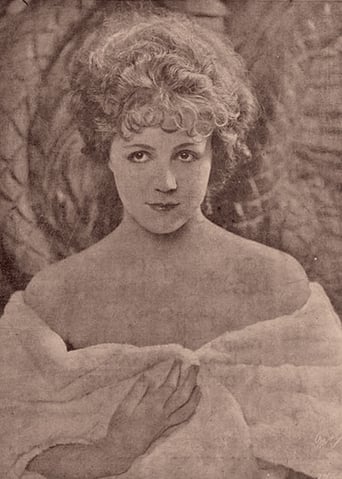
Edward Hearn was married to actress Mildred June, who was also active in films during the silent era. The couple worked together in several films during their marriage. Beyond his professional life, Hearn was known as a reliable and professional actor who maintained good relationships within the Hollywood community. He lived in the Los Angeles area for most of his career and remained active in the film industry until his health declined in his later years.
Family
- Mildred June (1919-?)
Did You Know?
- Appeared in over 350 films during his 40-year career
- His birth name was Edward Francis Hearn
- Began his film career at the age of 27
- Was married to fellow silent film actress Mildred June
- Successfully made the transition from silent films to talkies
- Often played authority figures such as judges, police officers, and businessmen
- Worked with virtually every major Hollywood studio during his career
- Never received top billing but was consistently employed as a reliable character actor
- His final film appearance was in 1955, eight years before his death
- Was part of the generation of actors who witnessed the complete transformation of the film industry from silent pictures to television
Frequently Asked Questions
Who was Edward Hearn?
Screen credits include over 350 films during a career spanning from 1915 to 1955. He was primarily active during the silent era but successfully transitioned to sound films, becoming known as a reliable supporting player in Hollywood's studio system.
What films is Edward Hearn best known for?
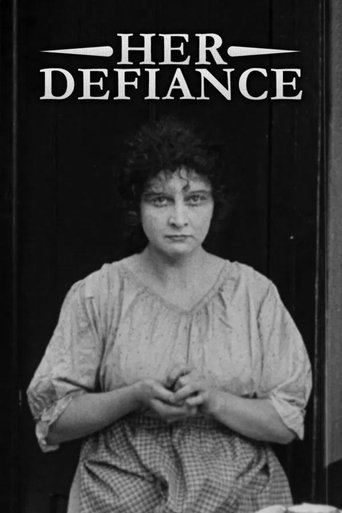
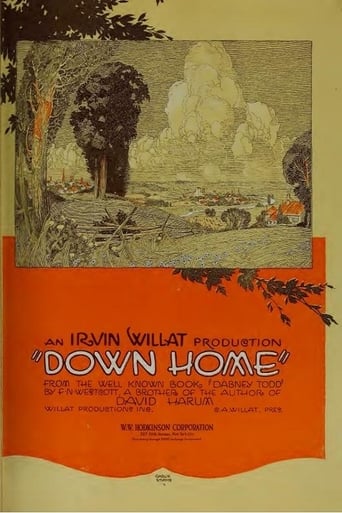
Titles linked here include Eleanor's Catch (1916), Her Defiance (1916).
When was Edward Hearn born and when did he die?
Born September 6, 1888; died April 15, 1963.
What awards did Edward Hearn win?
Edward Hearn did not receive any major awards or nominations during his career. Like many character actors of his era, his contributions were recognized through consistent employment rather than formal accolades.
What was Edward Hearn's acting style?
Hearn's acting style evolved from the broad, expressive gestures typical of silent films to a more naturalistic approach in talkies. He was known for his versatility in playing various character types, particularly authority figures and comic relief roles.
How did Edward Hearn contribute to early Hollywood?
Hearn contributed to early Hollywood as one of the industry's most reliable character actors, appearing in hundreds of films that helped establish the studio system. His work exemplifies the importance of supporting actors in creating the classic American cinema.
Was Edward Hearn married to another actor?
Yes, Edward Hearn was married to Mildred June, who was also an actress active in silent films. The couple appeared together in several films during their marriage in the late 1910s and early 1920s.