The Strong Man
"He becomes infatuated with her by long distance."
Keys: Space play/pause · ←/→ 10s · F fullscreen · M mute · </> speed
About this film
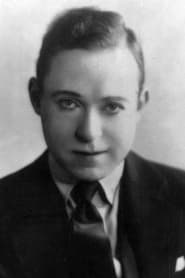
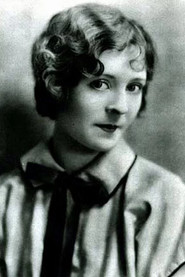
A meek Belgian soldier (Harry Langdon) fighting in World War I receives penpal letters and a photo from "Mary Brown", an American girl he has never met. He becomes infatuated with her by long distance. After the war, the young Belgian journeys to America as assistant to a theatrical "strong man", Zandow the Great (Arthur Thalasso).
Cast & crew
More films like this
More Comedy films
View all →







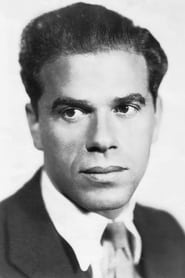
More from Frank Capra
View all →



More about this film
About the production
Release dateOctober 10, 1926
Budget$150,000
Box office$1,200,000 (domestic)
ProductionHarry Langdon Corporation, First National Pictures
Filmed inHollywood, California, Los Angeles, California
This was the first film that Frank Capra directed for Harry Langdon, marking the beginning of their collaboration. Capra was hired after Langdon's previous director, Harry Edwards, left the production. The film was shot in just over a month during the spring of 1926. The famous post office sequence required extensive set construction and was filmed over several days. Langdon, known for his meticulous preparation, rehearsed his physical comedy routines extensively, sometimes spending hours perfecting a single gag. The strongman competition scene involved actual circus performers and athletes to create authentic atmosphere.
Themes
Innocence vs. corruptionThe American DreamFinding strength in weaknessPost-war traumaLove conquering all
Themes & topics
pen palWorld War I veteranimmigrantvaudevillestrongmanmistaken identitysmall townpost officeromancecomedy of errors
Historical background
Made around 1926, The Strong Man engaged audiences already fluent in a meek belgian soldier (harry langdon) fighting in world war i receives penpal letters and a photo from "mary brown", an american girl he has never met as a screen subject.
Why this film matters
Surviving prints of The Strong Man document how 1926-era filmmakers solved story problems with limited means.
Making of
The making of 'The Strong Man' marked a significant turning point in both Frank Capra's and Harry Langdon's careers. Capra, then a relatively unknown director, was brought in to replace Harry Edwards after creative differences with Langdon. The collaboration initially was tense, as Langdon was accustomed to having significant creative control. However, Capra's vision for combining pathos with comedy resonated with Langdon's style. The famous scene where Langdon must perform as the strongman was filmed in one continuous take, with Langdon performing all his own stunts. The production faced challenges during the post office sequence, where Langdon's meticulous attention to detail caused multiple delays as he insisted on perfecting every comedic moment. The film's success led to a power struggle between Langdon and Capra, with Langdon eventually taking more control over their subsequent collaborations, which some critics believe led to the decline of Langdon's career.
What critics said
Modern retrospectives screen The Strong Man to illustrate 1926 pacing and camera norms.
Did you know?
- This was the film that established Harry Langdon as one of the 'big four' silent comedians alongside Charlie Chaplin, Buster Keaton, and Harold Lloyd.
- Frank Capra considered his breakthrough as a director, calling it 'the first picture I ever made that had any quality to it.'
- Harry Langdon was 41 years old when he played the character of Paul, though he appeared much younger on screen.
- The film was so successful that it led to Langdon receiving a contract from Paramount Pictures worth $7,500 per week.
- The character of Zandow the Great was played by Arthur Thalasso, who was actually a professional strongman in real life.
- The film's title sequence featured an innovative animated sequence created by Walt Disney's early studio.
- Priscilla Bonner, who played Mary Brown, was actually married to director Harry Edwards, Langdon's former director.
- The post office set was so elaborate and realistic that it was later used in several other silent films.
- Langdon's distinctive 'baby face' look was created through careful makeup application and lighting techniques.
- The film was one of the first comedies to deal with post-war trauma and the psychological effects of World War I.
Awards & recognition
- Academy Honorary Award (1929) - Harry Langdon for his unique and brilliant comedy performances
Visual style
The cinematography by George J. Folsey employed innovative techniques that enhanced the film's comedic and emotional impact. Folsey used soft-focus lighting to emphasize Langdon's innocent, childlike features, creating an almost ethereal quality around the character. The post office sequence utilized deep focus photography to create depth in the chaotic environment, allowing multiple comedic actions to occur simultaneously. Shadow and light were used symbolically throughout the film, with Paul often appearing in soft, warm light during his romantic moments, while the vaudeville world was shot in harsher, more theatrical lighting. The camera movement was deliberately restrained during Langdon's performance scenes to emphasize his physical comedy, but more dynamic during action sequences. The film's visual style influenced Capra's later work, particularly his use of lighting to create emotional atmosphere.
Innovations
'The Strong Man' featured several technical innovations for its time. The film used advanced matte painting techniques for the vaudeville theater scenes, creating the illusion of a much larger space than actually existed. The post office sequence employed a complex system of hidden wires and pulleys to create the illusion of chaos without endangering the actors. The film's editing, particularly in the climactic strongman competition scene, was unusually rapid for the period, using quick cuts to build tension and comedy. The makeup department developed new techniques for creating Langdon's distinctive 'baby face' look, using subtle contouring and lighting rather than heavy prosthetics. The film also experimented with multiple exposure techniques for dream sequences, though these were ultimately cut from the final version. These technical achievements contributed to the film's polished, professional appearance that set it apart from many contemporary comedies.
Music
As a silent film, 'The Strong Man' was originally accompanied by live musical scores in theaters. The typical orchestral score included popular songs of the era such as 'My Blue Heaven' and 'Baby Face' (which became associated with Langdon). The music was carefully synchronized to enhance the emotional beats of the story, with romantic themes for Paul and Mary's scenes and more jaunty, comedic music for the vaudeville sequences. Modern restorations have included newly composed scores by silent film accompanists like Ben Model and the Mont Alto Motion Picture Orchestra. These scores attempt to recreate the musical experience of 1926 while using contemporary recording technology. The film's lack of dialogue actually enhanced its international appeal, as the visual comedy transcended language barriers.
Famous quotes
Paul Bergot: 'I am not a strong man... but I am a good man.'
Mary Brown: 'Sometimes the strongest hearts come in the smallest packages.'
Zandow: 'The show must go on, even if the strong man can't!'
Postmaster: 'In America, anything is possible if you believe in yourself.'
Memorable scenes
- The climactic strongman competition where Paul, despite his fear, must perform impossible feats of strength for the audience, leading to both disaster and triumph.
- The chaotic post office sequence where Paul searches for Mary Brown amid a whirlwind of mail, packages, and frantic customers.
- Paul's first arrival in America, where his innocent wonder at the new world contrasts with the rough reality of Sandville.
- The tender moment when Paul finally meets Mary Brown at the post office, their first face-to-face encounter after months of correspondence.
What audiences thought
The Strong Man was a tremendous box office success upon its release, earning over $1 million domestically, an impressive sum for 1926. Audiences embraced Harry Langdon's gentle, childlike character, finding his innocence refreshing compared to the more cynical personas of other comedians. The film's emotional core resonated with post-war audiences who understood the trauma of returning soldiers. Movie theaters reported packed houses and repeat viewings, with many patrons specifically requesting the film. The film's success made Langdon one of the highest-paid stars in Hollywood, commanding $7,500 per week. Contemporary audience letters preserved in studio archives reveal that viewers particularly connected with the film's message about inner strength and the immigrant experience. The film remained popular through the late 1920s and was frequently re-released in revival theaters during the 1940s and 1950s.
Film connections
Influenced by
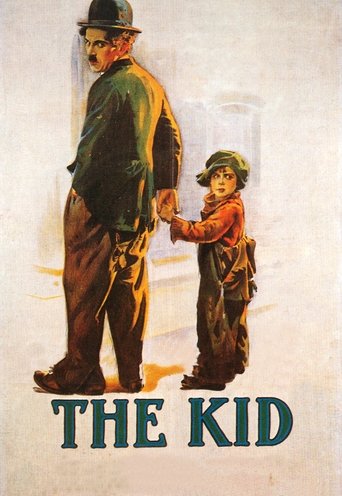
- Charlie Chaplin's 'The Kid' (1921)
- Buster Keaton's 'The General' (1926)
- Harold Lloyd's 'The Freshman' (1925)
- F.W. Murnau's 'The Last Laugh' (1924)
This film influenced
- City Lights (1931)
- Mr. Deeds Goes to Town (1936)
- The Graduate (1967)
- Being There (1979)
- Forrest Gump (1994)
Film restoration
The Strong Man has been well-preserved and is considered to be in excellent condition. The film was selected for preservation in the United States National Film Registry in 2007 for being 'culturally, historically, or aesthetically significant.' A complete 35mm print exists in the Library of Congress collection. The film has been digitally restored by several archives including the UCLA Film and Television Archive and the Museum of Modern Art. The restoration process involved cleaning and repairing original nitrate prints, and the results have been released on Blu-ray and DVD by Kino Lorber with newly composed musical scores. Unlike many silent films, 'The Strong Man' was never considered lost, though some early releases were missing minor scenes that have since been recovered from various sources.
Where to watch
- The Criterion Channel
- Kino Lorber Blu-ray/DVD
- Amazon Prime Video
- YouTube (official uploads)
- FilmStruck (archive)
- MUBI
- Turner Classic Movies
- The Museum of Modern Art film screenings
- UCLA Film & Television Archive screenings