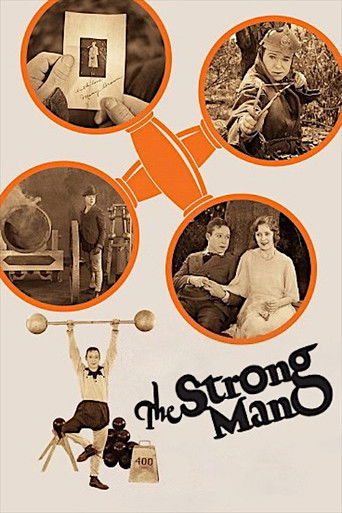
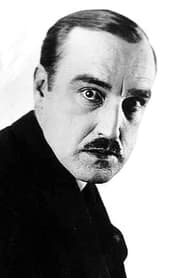
Robert McKim
Actor
Born: June 26, 1877 in San Francisco, California, USA Died: June 4, 1927 Active: 1916-1927
Films
11 films

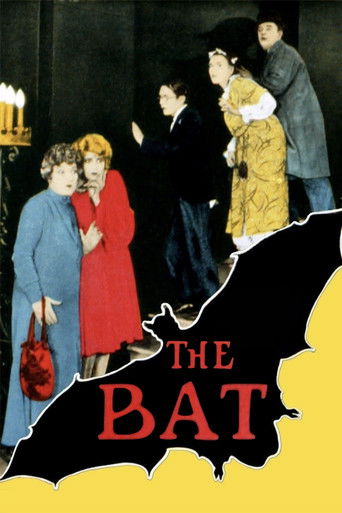
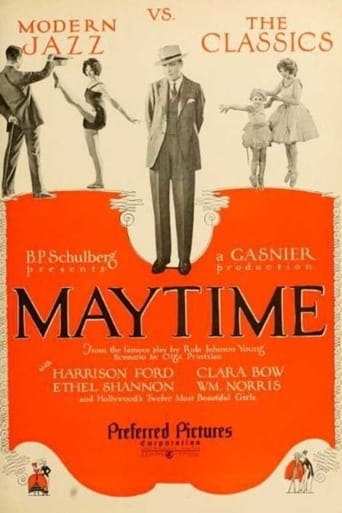

About Robert McKim
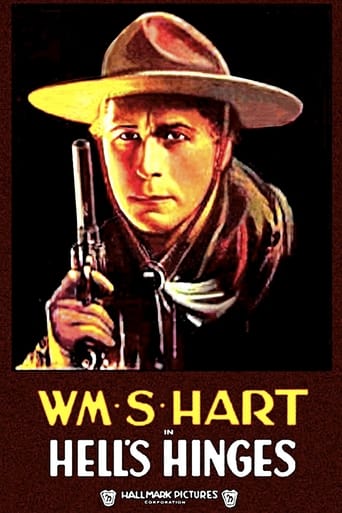
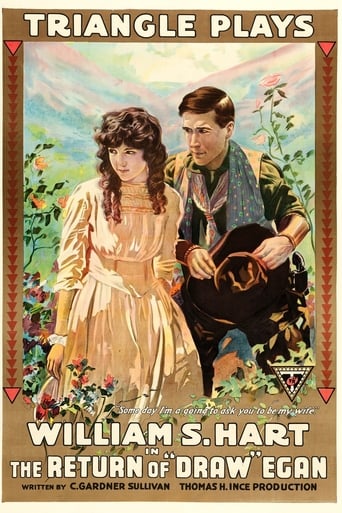
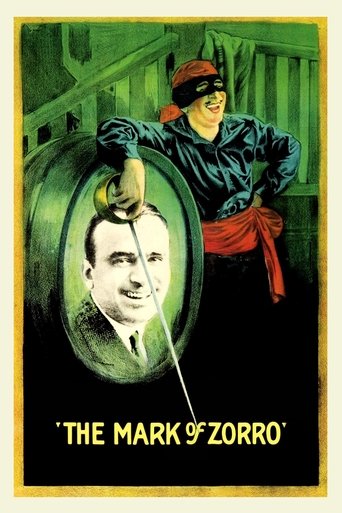
Prolific character actor of the silent film era, best known for his villainous roles in westerns and dramas. Born in San Francisco in 1877, he began his film career in the mid-1910s and quickly established himself as a reliable antagonist, particularly in westerns starring William S. Hart. McKim's menacing presence and distinctive features made him an ideal villain, and he appeared in numerous films throughout the 1910s and early 1920s. His most notable collaborations were with Hart in films like 'Hell's Hinges' and 'The Return of Draw Egan,' where he played the villainous foil to Hart's heroic characters. McKim also appeared in Douglas Fairbanks' 'The Mark of Zorro' (1920), further cementing his reputation as one of silent cinema's most recognizable villains. His career was cut short when he died of a heart attack in Hollywood in 1927 at the age of 49, just as the transition to sound films was beginning. Despite his relatively short career, McKim on silent cinema as one of the era's most memorable character actors.
The Craft
On Screen
McKim was known for his menacing screen presence and ability to portray complex villains with nuance. His tall, gaunt frame and piercing eyes made him physically imposing, while his expressive face allowed him to convey menace and cunning without dialogue. He specialized in playing sophisticated villains and corrupt officials, bringing a theatrical gravitas to his roles that elevated him above typical silent film antagonists.
Milestones
- Breakthrough role in William S. Hart westerns
- Villain in 'Hell's Hinges' (1916)
- Antagonist in 'The Mark of Zorro' (1920)
- Prolific character actor with 150+ film appearances
- Established the archetypal western villain
Best Known For
Iconic Roles
Must-See Films
Accolades
Special Recognition
- Recognized as one of silent cinema's most reliable character actors
- Remembered as William S. Hart's favorite on-screen villain
Working Relationships
Worked Often With
Studios
Why They Matter
Impact on Culture
Robert McKim significantly shaped the archetype of the western villain during the silent era. His collaborations with William S. Hart helped establish the template for the sophisticated, morally corrupt antagonist that would become a staple of western cinema. McKim's ability to play villains with intelligence and menace rather than simple brutishness elevated the genre and influenced how antagonists were portrayed in subsequent films. His work in 'The Mark of Zorro' helped establish the swashbuckling villain archetype that would be emulated in countless adventure films. McKim's legacy endures in the way silent film villains are remembered and studied by film historians and enthusiasts.
Lasting Legacy
Robert McKim's legacy lies in his contributions to establishing the character actor as an essential element of silent cinema. Though never a leading man, his memorable villainous performances elevated numerous films and provided perfect foils for the era's biggest stars. His work with William S. Hart represents some of the finest examples of silent western antagonism, while his role in 'The Mark of Zorro' ensured his place in cinema history. McKim demonstrated that character actors could achieve lasting recognition through consistent, high-quality performances, paving the way for future generations of supporting players. Film historians continue to study his technique and screen presence as examples of silent era acting at its most effective.
Who They Inspired
McKim influenced subsequent generations of character actors, particularly those specializing in villainous roles. His approach to playing villains with intelligence and sophistication rather than one-dimensional evil set a standard for character acting in westerns and adventure films. Many later actors who specialized in antagonistic roles, including early sound era performers, drew inspiration from McKim's ability to create memorable villains without dialogue. His collaborations with William S. Hart established a template for the hero-villain dynamic that would influence western cinema for decades.
Off Screen
Robert McKim was known primarily through his screen work, with limited information available about his personal life. He was born into a San Francisco family and likely received some theatrical training before entering films. McKim never married and had no children, dedicating his life entirely to his craft. He lived modestly in Hollywood during his film career and was respected by colleagues for his professionalism and dedication to his art.
Education
Likely had some theatrical training, possibly in San Francisco theater companies before entering films
Did You Know?
- Appeared in over 150 films during his decade-long career
- Was William S. Hart's preferred villain, appearing in multiple Hart westerns
- Died of a heart attack at age 49, just as sound films were emerging
- Never received on-screen credit in many of his early films
- His gaunt features and piercing eyes made him instantly recognizable to silent film audiences
- Worked with producer Thomas H. Ince early in his career
- Often played characters named 'Silent' or 'Silas' due to his intimidating presence
- Was one of the few character actors from the silent era whose name was known to regular moviegoers
- His death in 1927 meant he never appeared in a sound film
- Was known for his professionalism and reliability on set, rarely requiring multiple takes
In Their Own Words
As a silent actor, McKim's 'quotes' were expressed through his menacing glares and villainous gestures rather than spoken words
Frequently Asked Questions
Who was Robert McKim?
Prolific American silent film with credits in this catalog. He appeared in over 150 films between 1916 and 1927, frequently collaborating with western star William S. Hart and appearing in notable films like 'The Mark of Zorro' (1920).
What films is Robert McKim best known for?
Titles linked here include Hell's Hinges (1916), The Return of Draw Egan (1916).
When was Robert McKim born and when did he die?
Born June 26, 1877; died June 4, 1927.
What awards did Robert McKim win?
Robert McKim did not receive formal awards during his career, as was common for character actors in the silent era. However, he was highly regarded within the industry and remembered as.
What was Robert McKim's acting style?
McKim was known for his menacing screen presence, using his tall, gaunt frame and piercing eyes to create intimidating villains. He specialized in playing sophisticated antagonists with intelligence and cunning, bringing theatrical gravitas to his roles that elevated him above typical silent film villains.
Did Robert McKim appear in sound films?
No, Robert McKim died in June 1927, just before the transition to sound films began in earnest. His entire film career was in the silent era, and he never appeared in a talkie.
How did Robert McKim influence cinema?
McKim helped establish the archetype of the sophisticated western villain and influenced how antagonists were portrayed in silent cinema. His collaborations with William S. Hart set a template for the hero-villain dynamic that would influence western films for decades, and his work demonstrated the importance of strong character actors in film storytelling.