
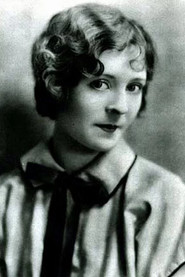
Priscilla Bonner
Actor
Born: February 17, 1899 in Washington, D.C., United States Died: December 16, 1996 Active: 1920-1927
Films
7 films
About Priscilla Bonner
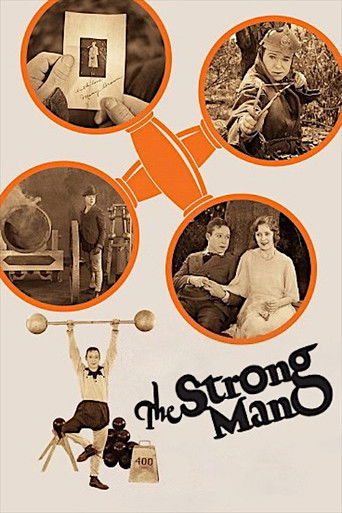
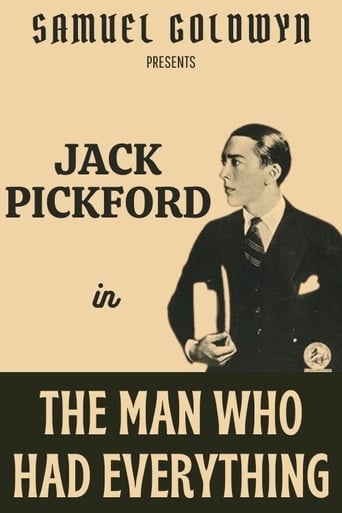
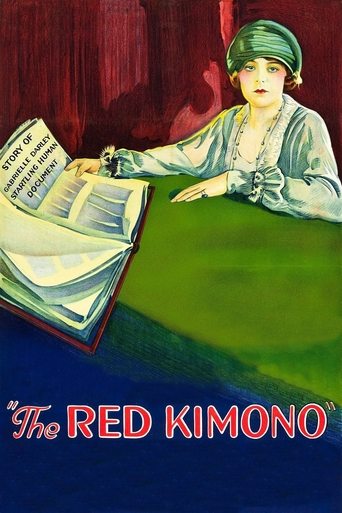
American actress of the silent film era who had a relatively brief but notable career in the 1920s. She began her film career in 1920 with 'The Man Who Had Everything' and quickly established herself as a versatile character actress, often playing sympathetic and vulnerable characters. Bonner worked with several prominent directors of the era, including John Ford, Frank Capra, and Tom Forman, appearing in both dramatic and comedic roles. She was particularly known for her work in 'The Strong Man' (1926) opposite Harry Langdon, which was directed by Frank Capra and became her most commercially successful film. Her performance in 'The Red Kimona' (1925) was also significant, as it was one of the first films to deal with prostitution with sympathy and realism. Bonner's career peaked in the mid-1920s, but she largely retired from acting after marrying writer-director Allen McNeil in 1927, just as the transition to sound films began. Despite her relatively short career span, Bonner left a lasting impression through her memorable performances and naturalistic acting style that was ahead of its time.
The Craft
On Screen
Priscilla Bonner was known for her naturalistic acting style, which was ahead of its time in the silent era. She avoided the exaggerated gestures common in many silent films, instead bringing subtle, understated quality to her performances. Bonner excelled at conveying complex emotions through nuanced facial expressions and body language, making her particularly effective in dramatic roles. Her approach emphasized authenticity and emotional depth, which made her performances feel more contemporary and relatable to audiences of her time.
Milestones
- Film debut in 'The Man Who Had Everything' (1920)
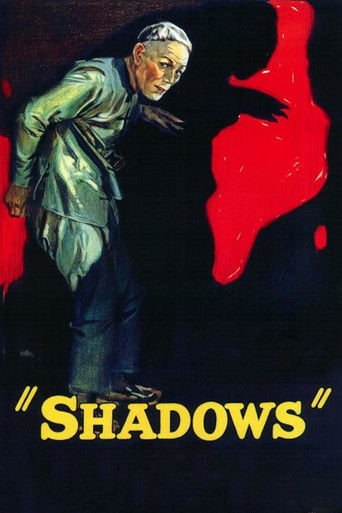
- Critical acclaim for 'Shadows' (1922)
- Groundbreaking role in 'The Red Kimona' (1925)
- Memorable performance in 'The Strong Man' (1926)
- Retirement from films in 1927
Best Known For
Iconic Roles
Must-See Films
Working Relationships
Worked Often With
Studios
Why They Matter
Impact on Culture
Priscilla Bonner's contributions to silent film represent the important work of character actresses who brought depth and authenticity to supporting roles. Her performance in 'The Red Kimona' was particularly significant, as the film was one of the first to tackle the controversial subject of prostitution with a degree of sympathy and realism. Bonner's naturalistic acting style helped pave the way for more subtle performances in cinema, bridging the gap between the exaggerated style of early silent films and the more nuanced approach that would become standard with the advent of sound. Her work with emerging directors like Frank Capra and John Ford also contributed to the development of their distinctive directorial styles.
Lasting Legacy
Although Priscilla Bonner's film career was relatively brief, her performances have been preserved and studied by film historians and silent film enthusiasts. Her role in 'The Strong Man' remains her most remembered performance, showcasing her ability to balance comedy and drama effectively. Bonner's work is often cited in discussions about the evolution of acting styles in silent cinema, particularly the move toward more naturalistic performances. As one of the last surviving actresses from the silent era, her later interviews provided valuable firsthand accounts of early Hollywood filmmaking practices and the transition from silent to sound films.
Who They Inspired
Priscilla Bonner influenced later generations of actors through her naturalistic approach to silent film performance. Her subtle, understated style demonstrated that emotional depth could be conveyed without the broad gestures typical of the era. This approach helped pave the way for the more nuanced acting techniques that would become standard in sound cinema. While she never achieved major stardom, her work respected by peers and studied by film scholars as an example of quality character acting in silent films.
Off Screen
Priscilla Bonner married writer and director Allen McNeil in 1927, the same year she largely retired from acting. The marriage lasted until McNeil's death in 1956. They had no children together. After retiring from films, Bonner lived a relatively private life in California, occasionally giving interviews about her experiences in early Hollywood. She outlived most of her contemporaries from the silent era, living to be 97 years old and becoming one of the last surviving actors from that period.
Family
- Allen McNeil (1927-1956)
Did You Know?
- Priscilla Bonner was 97 years old when she died, making her one of the last surviving actors from the silent era
- 'The Red Kimona' (1925) was controversial for its time as it dealt with the subject of prostitution
- She retired from films in 1927, the same year she married Allen McNeil
- Bonner worked with three directors who would become Hollywood legends: Frank Capra, John Ford, and Harry Langdon
- Her naturalistic acting style was considered ahead of its time for the silent era
- She made her film debut at age 21 in 'The Man Who Had Everything' (1920)
- Despite appearing in several notable films, she never achieved major stardom but was respected as a reliable character actress
- Her role in 'The Strong Man' (1926) was her most commercially successful film
- Bonner's films are now preserved in various film archives and occasionally screened at silent film festivals
- She gave few interviews after retiring, making her a somewhat mysterious figure to later generations of film enthusiasts
Frequently Asked Questions
Who was Priscilla Bonner?
American actress who worked during the silent film era from 1920 to 1927. She was known for her naturalistic acting style and memorable roles in films like 'The Strong Man' and 'The Red Kimona.' Though her career was brief, she worked with legendary directors including Frank Capra and John Ford.
What films is Priscilla Bonner best known for?
Titles linked here include The Strong Man (1926), Shadows (1922).
When was Priscilla Bonner born and when did she die?
Born February 17, 1899; died December 16, 1996.
What awards did Priscilla Bonner win?
Priscilla Bonner did not receive major film awards or honors during her career or lifetime, which was common for character actresses of the silent era, particularly those who worked primarily in supporting roles.
What was Priscilla Bonner's acting style?
Priscilla Bonner was known for her naturalistic acting style that was ahead of its time for the silent era. She avoided exaggerated gestures and instead used subtle facial expressions and body language to convey emotions, bringing authenticity and emotional depth to her performances.
Why did Priscilla Bonner retire from acting?
Priscilla Bonner retired from acting in 1927, the same year she married writer-director Allen McNeil. Her retirement coincided with the beginning of the transition from silent films to talkies, and like many silent era actors, she chose not to continue her career in the new sound era.
Did Priscilla Bonner have children?
No, Priscilla Bonner and her husband Allen McNeil did not have any children together. They remained married until his death in 1956.
What was Priscilla Bonner's legacy in film history?
Priscilla Bonner's legacy lies in her contributions to naturalistic acting in silent films and her work with directors. Her performances, particularly in 'The Red Kimona' and 'The Strong Man,' are studied by film historians as examples of quality character acting. As one of the last surviving silent era actors, her later interviews provided valuable insights into early Hollywood.